Don Donghee Shin – författare
Visar alla böcker från författaren Don Donghee Shin. Handla med fri frakt och snabb leverans.
6 produkter
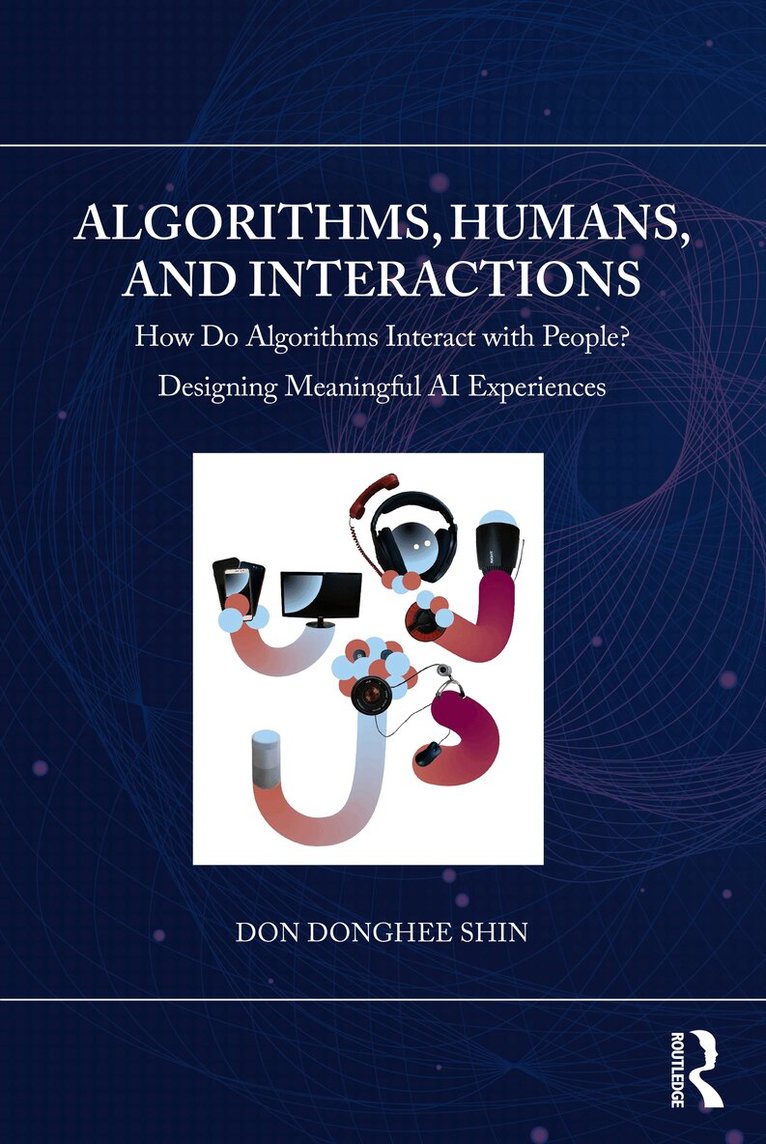
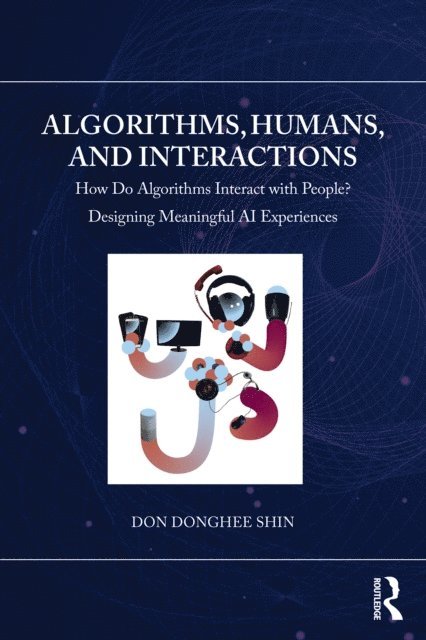
Algorithms, Humans, and Interactions
How Do Algorithms Interact with People? Designing Meaningful AI Experiences
Häftad, 2023
649 kr
Lägg i varukorg
Amidst the rampant use of algorithmization enabled by AI, the common theme of AI systems is the human factor. Humans play an essential role in designing, developing, and operationalizing AI systems. We have a remit to ensure those systems run transparently, perform equitably, value our privacy, and …
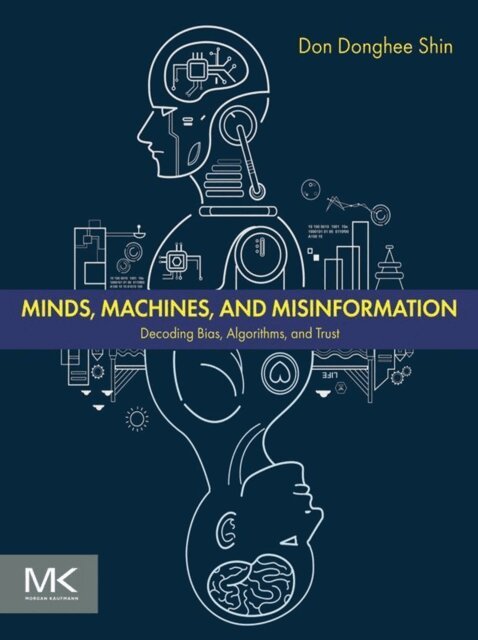
Minds, Machines, and Misinformation
Decoding Bias, Algorithms, and Trust
Häftad, 2025
1483 kr
Lägg i varukorg
Algorithms have become the key organizer through which power is enacted in our society. A huge amount of data regarding our daily routines are monitored and analyzed to make recommendations that manage, control, and lead our behaviors in everyday life. AI, Humans, and Misinformation: How Does AI …
Minds, Machines, and Misinformation
Decoding Bias, Algorithms, and Trust
E-bok, 2025
1874 kr
Lägg i varukorg
Algorithms have become the key organizer through which power is enacted in our society. A huge amount of data regarding our daily routines are monitored and analyzed to make recommendations that manage, control, and lead our behaviors in everyday life. AI, Humans, and Misinformation: How Does AI …
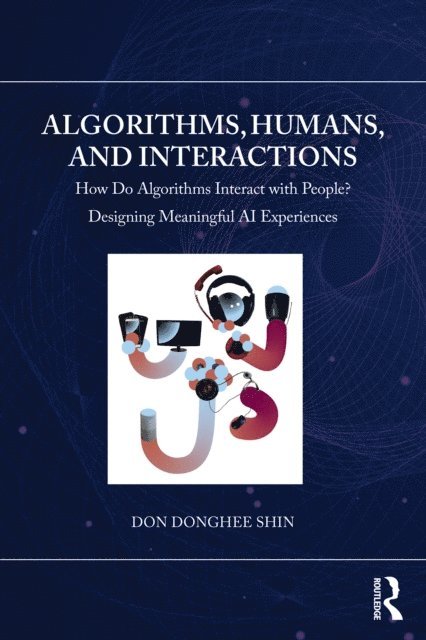
Algorithms, Humans, and Interactions
How Do Algorithms Interact with People? Designing Meaningful AI Experiences
E-bok, 2023
838 kr
Lägg i varukorg
Amidst the rampant use of algorithmization enabled by AI, the common theme of AI systems is the human factor. Humans play an essential role in designing, developing, and operationalizing AI systems. We have a remit to ensure those systems run transparently, perform equitably, value our privacy, and …
Algorithms, Humans, and Interactions
How Do Algorithms Interact with People? Designing Meaningful AI Experiences
E-bok, 2023
838 kr
Lägg i varukorg
Amidst the rampant use of algorithmization enabled by AI, the common theme of AI systems is the human factor. Humans play an essential role in designing, developing, and operationalizing AI systems. We have a remit to ensure those systems run transparently, perform equitably, value our privacy, and …
Algorithms, Humans, and Interactions
How Do Algorithms Interact with People? Designing Meaningful AI Experiences
Inbunden, 2023
2195 kr
Lägg i varukorg
Amidst the rampant use of algorithmization enabled by AI, the common theme of AI systems is the human factor. Humans play an essential role in designing, developing, and operationalizing AI systems. We have a remit to ensure those systems run transparently, perform equitably, value our privacy, and …