Donald Moss – författare
Visar alla böcker från författaren Donald Moss. Handla med fri frakt och snabb leverans.
16 produkter
16 produkter
Inbunden, Engelska, 2024
1 493 kr
Skickas inom 5-8 vardagar
In recent years there has been growing interest in exploring how psychophysiology can be used to enhance psychotherapeutic interventions, and it is becoming more common for psychotherapists to use psychophysiological approaches such as biofeedback as a part of their therapy.Integrating Psychotherapy and Psychophysiology explores how these fields can be integrated to improve therapy outcomes, and to provide a guide to professionals in the field.Structured in three parts, the first part focuses on theories underlying psychotherapy/psychophysiology integration with chapters on the neuroscience of mind, evolution and compassion, heart rate variability and mind/body integration, and affect and understanding the world. The second part focuses on assessment aspects of psychotherapy/ psychophysiology integration with chapters on the NIH Research Domain Criteria (RDoC) approach to assessment of psychopathology from a psychophysiological perspective, personality as a central factor in stress and cardiovascular reactivity and using the RDoC framework to understand and conceptualize personality. Finally, the third part focuses on approaches to integrating psychophysiology into psychotherapy, emphasizing heart rate variability biofeedback.The book will be valuable for all psychotherapists who are looking to improve their practice by integrating effective mind/body principles into their therapeutic approach.
Inbunden, Engelska, 2012
1 610 kr
Skickas inom 10-15 vardagar
Images and ideas associated with masculinity are forever in flux. In this book, Donald Moss addresses the never-ending effort of men—regardless of sexual orientation—to shape themselves in relation to the unstable notion of masculinity.Part 1 looks at the lifelong labor faced by boys and men of assessing themselves in relation to an always shifting, always receding, ideal of "masculinity." In Part 2, Moss considers a series of nested issues regarding homosexuality, homophobia and psychoanalysis. Part 3 focuses on the interface between the body experienced as a private entity and the body experienced as a public entity—the body experienced as one’s own and the body subject to the judgments, regulations and punishments of the external world. The final part looks at men and violence. Men must contend with the entwined problems of regulating aggression and figuring out its proper level, aiming to avoid both excess and insufficiency. This section focuses on excessive aggression and its damaging consequences, both to its object and to its subjects. Thirteen Ways Of Looking At A Man will be of great interest not only to psychoanalysts and psychotherapists, but also to a much wider audience of readers interested in gender studies, queer studies, and masculinity.
Häftad, Engelska, 2012
568 kr
Skickas inom 10-15 vardagar
Images and ideas associated with masculinity are forever in flux. In this book, Donald Moss addresses the never-ending effort of men—regardless of sexual orientation—to shape themselves in relation to the unstable notion of masculinity.Part 1 looks at the lifelong labor faced by boys and men of assessing themselves in relation to an always shifting, always receding, ideal of "masculinity." In Part 2, Moss considers a series of nested issues regarding homosexuality, homophobia and psychoanalysis. Part 3 focuses on the interface between the body experienced as a private entity and the body experienced as a public entity—the body experienced as one’s own and the body subject to the judgments, regulations and punishments of the external world. The final part looks at men and violence. Men must contend with the entwined problems of regulating aggression and figuring out its proper level, aiming to avoid both excess and insufficiency. This section focuses on excessive aggression and its damaging consequences, both to its object and to its subjects. Thirteen Ways Of Looking At A Man will be of great interest not only to psychoanalysts and psychotherapists, but also to a much wider audience of readers interested in gender studies, queer studies, and masculinity.
Inbunden, Engelska, 2002
2 937 kr
Skickas inom 3-6 vardagar
"It is a very thorough and up-to-date clinical handbook and reference for the primary care Doc or nurse. . . . if you have a favorite Family Doc or Internist or Nurse Practitioner--or administrator--and you want them to have a nice gift, buy them this book. But read it before you give it away."--JOURNAL OF NEUROTHERAPYThe Handbook of Mind-Body Medicine for Primary Care introduces an evidence-based mind-body approach to the medical and behavioral problems of primary care patients. Evidence-based mind-body practice draws on the best available scientific research, advocating the integration of well-documented mind-body therapies into primary health care. The handbook summarizes current mind-body practice and provides an overview of the basic techniques, including biofeedback, neurofeedback, relaxation therapies, hypnotherapy, cognitive-behavioral therapies, acupuncture, and spiritual therapies. The editors also thoroughly demonstrate the application of these techniques to common disorders such as headache, chronic pain, and essential hypertension, as well as anxiety, depression, chronic fatigue syndrome, fibromyalgia, and sleep disorders.The Handbook includes educational models with guidelines for physicians, nurses, physicians′ assistants, and behavioral health practitioners. The book closes with a look at the existential and spiritual side of the human encounter with sickness and disease. This handbook will benefit a wide variety of health providers in primary care.The Handbook is divided into four parts: Part I introduces the conceptual models from the psychophysiological perspective for understanding functional medical problems. Part II describes specific clinical tools and interventions. Part III overviews the best documented cognitive-behavioral approaches and alternative therapies to common disorders. Part IV provides educational models for practitioners in each of the mind-body disciplines.About the Editors Donald Moss, Ph.D., is Director of Chronic Pain Services at West Michigan Behavioral Health Services.Angele V. McGrady, Ph.D., is a Professor of Psychiatry and Adjunct Professor of Physiology and Molecular Medicine at Medical College of Ohio. Terence C. Davies, MD, is Chairman of Family and Community Medicine at Eastern Virginia Medical School. Ian Wickramasekera, Ph.D., is a Professor of psychology at Saybrook Graduate School, Clinical Professor of Psychiatry at Stanford Medical School, and Professor of Family Medicine at Eastern Virginia Medical School.
Häftad, Engelska, 2021
446 kr
Skickas inom 10-15 vardagar
The kinds of hatreds that analysts have assumed make up part of the unspoken backdrop of Western civilization have now erupted into our daily foreground. This book, consisting of essays from eleven psychoanalysts, responds to that eruption.The five essays of Part 1, "Hating in the first person plural," take on the pervasive impact of structured forms of hatred – racism, misogyny, homophobia, and transphobia. These malignant forces are put into action by large- and small-group identifications. Even the action of the apparent "lone wolf" inevitably enacts loyal membership in a surrounding community. The hating entity is always "we." In Part 2, "The racialized object/the racializing subject," the essays’ focus narrows to an examination of racist expressions of "hating, abhorring, and wishing to destroy." A particular focus is the state of excitement attached to this form of hatred, to its sadistic origins, and to the endless array of objects offered to the racializing subject. In Part 3, "This land: whose is it, really?," its two essays focus on symbolic and physical violence targeting the natural world. We expand the traditional field of psychoanalytic inquiry to include the natural world, the symbolic meaning of its "trees," and the psychopolitical meanings of its land. This book offers a psychoanalytically informed guide to understanding and working against hatreds in clinical work and in everyday life and will appeal to training and experienced psychoanalysts, as well as anyone with an interest in current political and cultural climates.
Inbunden, Engelska, 2021
2 060 kr
Skickas inom 10-15 vardagar
The kinds of hatreds that analysts have assumed make up part of the unspoken backdrop of Western civilization have now erupted into our daily foreground. This book, consisting of essays from eleven psychoanalysts, responds to that eruption.The five essays of Part 1, "Hating in the first person plural," take on the pervasive impact of structured forms of hatred – racism, misogyny, homophobia, and transphobia. These malignant forces are put into action by large- and small-group identifications. Even the action of the apparent "lone wolf" inevitably enacts loyal membership in a surrounding community. The hating entity is always "we." In Part 2, "The racialized object/the racializing subject," the essays’ focus narrows to an examination of racist expressions of "hating, abhorring, and wishing to destroy." A particular focus is the state of excitement attached to this form of hatred, to its sadistic origins, and to the endless array of objects offered to the racializing subject. In Part 3, "This land: whose is it, really?," its two essays focus on symbolic and physical violence targeting the natural world. We expand the traditional field of psychoanalytic inquiry to include the natural world, the symbolic meaning of its "trees," and the psychopolitical meanings of its land. This book offers a psychoanalytically informed guide to understanding and working against hatreds in clinical work and in everyday life and will appeal to training and experienced psychoanalysts, as well as anyone with an interest in current political and cultural climates.
Inbunden, Engelska, 2022
1 055 kr
Skickas inom 10-15 vardagar
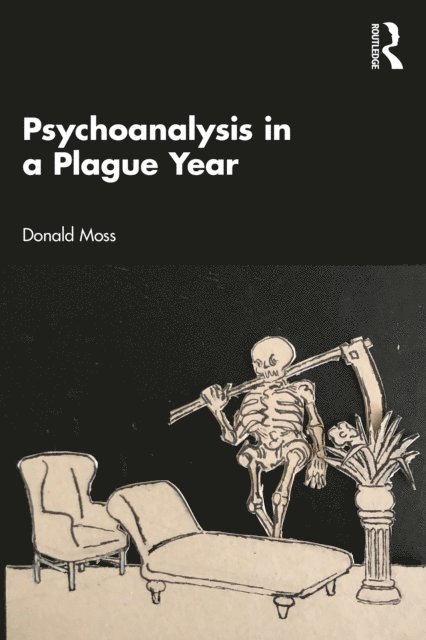
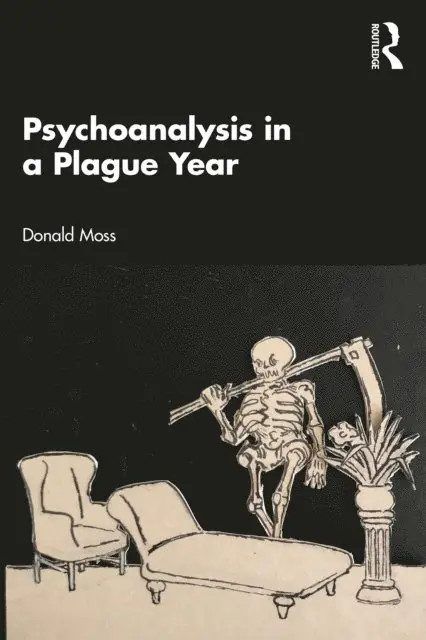
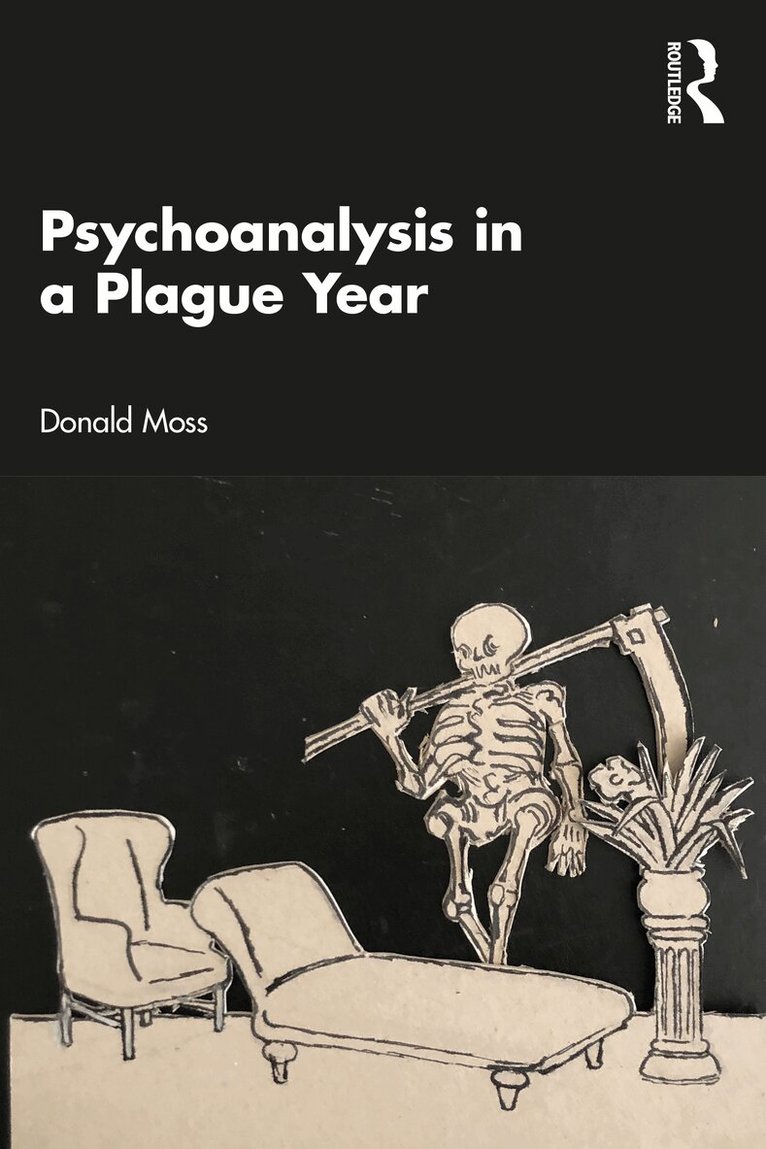
Selecting one sentence from each session every day, Donald Moss has recorded the words spoken by his patients during one year of ‘Covid-time’. The patients conjure a moving mixture of the mundane and extraordinary, giving readers a perspective on psychoanalytic practice and treatment during the COVID-19 pandemic. Clustered together in ways akin to poetic verse, these sentences preserve the mood of the analyst’s working day, reflecting the common ground shared by analyst and patient in these unprecedented times. Pandemic-related concerns and everyday problems are seen to persist in these extreme circumstances, affording the reader clinical insights into the daily life of contemporary psychoanalysts. With a clear preface from the author and a remarkable foreword by Timothy J. Clark, the book is grounded in a contemporary psychoanalytic context.An insightful companion into psychoanalytic practice, the book will interest therapists and analysts in training and in practice, as well as readers intrigued by what happens behind the closed doors of the consulting room.
Häftad, Engelska, 2022
347 kr
Skickas inom 10-15 vardagar
Selecting one sentence from each session every day, Donald Moss has recorded the words spoken by his patients during one year of ‘Covid-time’. The patients conjure a moving mixture of the mundane and extraordinary, giving readers a perspective on psychoanalytic practice and treatment during the COVID-19 pandemic. Clustered together in ways akin to poetic verse, these sentences preserve the mood of the analyst’s working day, reflecting the common ground shared by analyst and patient in these unprecedented times. Pandemic-related concerns and everyday problems are seen to persist in these extreme circumstances, affording the reader clinical insights into the daily life of contemporary psychoanalysts. With a clear preface from the author and a remarkable foreword by Timothy J. Clark, the book is grounded in a contemporary psychoanalytic context.An insightful companion into psychoanalytic practice, the book will interest therapists and analysts in training and in practice, as well as readers intrigued by what happens behind the closed doors of the consulting room.
Inbunden, Engelska, 2017
1 944 kr
Skickas inom 10-15 vardagar
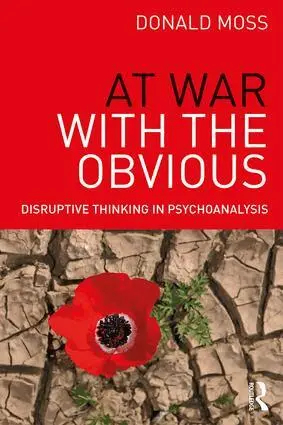
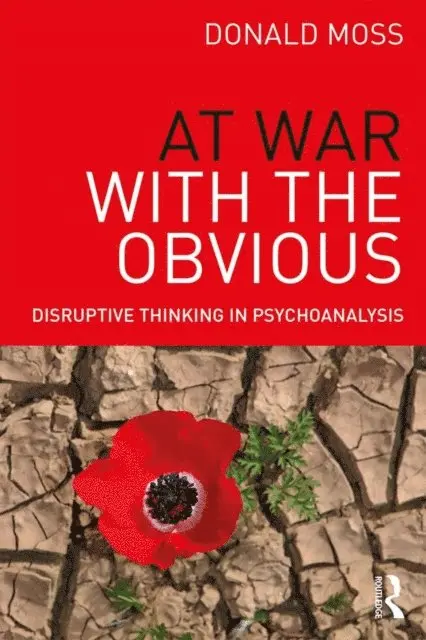
Psychoanalytic thought has already transformed our basic assumptions about the psychic life of individuals and cultures. Those assumptions often take on the valence of common sense. However, this can mean that their original and important meanings often become obscured. Disruptive ideas become domesticated. At War with the Obvious aims to return those ideas to their original disruptive status. Donald Moss explores a wide range of issues—the loosening of constraints on deep systematized forms of hatred, clinical, and technical matters, the puzzling status of revenge and forgiveness, a consideration of the dynamics of climate change denial, and an innovative look at the problem of voice in the clinical situation. Because it is rooted in a profound reconsideration of the origins of psychic life, psychoanalysis remains vital, in spite of the perennial efforts to keep it effaced and quieted. Moss covers a range of central psychoanalytic concepts to argue that only by examining and challenging our everyday assumptions about issues like sexuality, punishment, creativity, analytic neutrality, and trauma, can psychoanalysis offer a radical alternative to other forms of therapy.At War with the Obvious will appeal to psychoanalysts and psychoanalytic psychotherapists, cultural theorists and anyone for whom incisive psychoanalytic thought matters.
Häftad, Engelska, 2017
541 kr
Skickas inom 10-15 vardagar
Psychoanalytic thought has already transformed our basic assumptions about the psychic life of individuals and cultures. Those assumptions often take on the valence of common sense. However, this can mean that their original and important meanings often become obscured. Disruptive ideas become domesticated. At War with the Obvious aims to return those ideas to their original disruptive status. Donald Moss explores a wide range of issues—the loosening of constraints on deep systematized forms of hatred, clinical, and technical matters, the puzzling status of revenge and forgiveness, a consideration of the dynamics of climate change denial, and an innovative look at the problem of voice in the clinical situation. Because it is rooted in a profound reconsideration of the origins of psychic life, psychoanalysis remains vital, in spite of the perennial efforts to keep it effaced and quieted. Moss covers a range of central psychoanalytic concepts to argue that only by examining and challenging our everyday assumptions about issues like sexuality, punishment, creativity, analytic neutrality, and trauma, can psychoanalysis offer a radical alternative to other forms of therapy.At War with the Obvious will appeal to psychoanalysts and psychoanalytic psychotherapists, cultural theorists and anyone for whom incisive psychoanalytic thought matters.
Inbunden, Engelska, 2013
1 325 kr
Skickas inom 10-15 vardagar
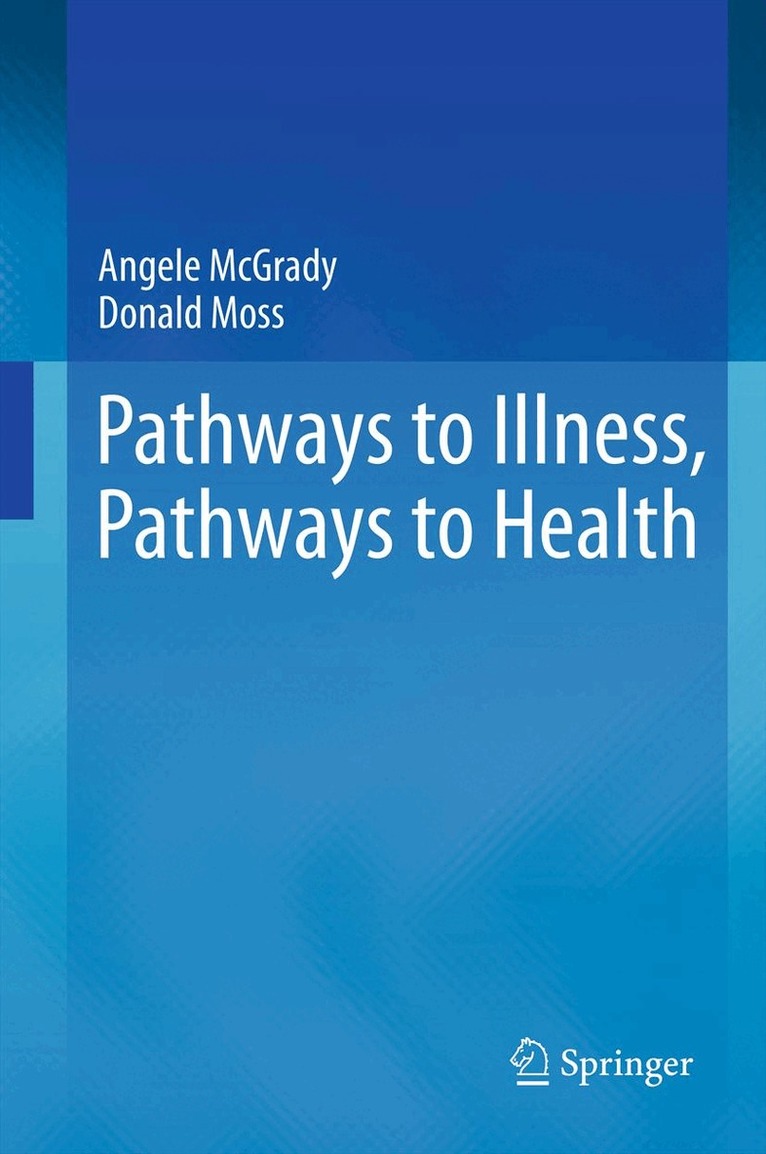
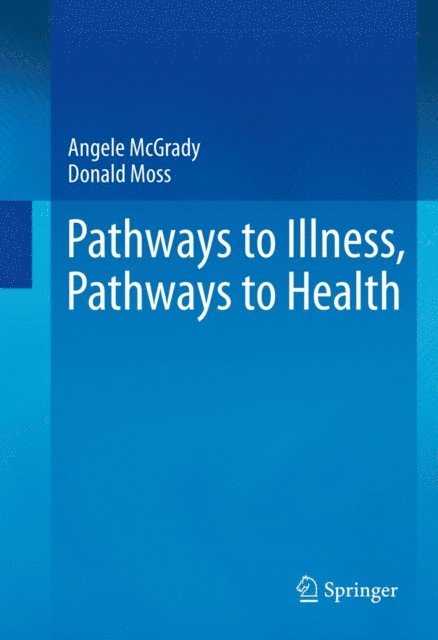
This book, designed for professionals, introduces a psychobiological model for understanding the paths that lead people to illness and provides recommendations for alterations of maladaptive pathways so that health is regained.
Häftad, Engelska, 2015
995 kr
Skickas inom 10-15 vardagar
This book, designed for professionals, introduces a psychobiological model for understanding the paths that lead people to illness and provides recommendations for alterations of maladaptive pathways so that health is regained.
Häftad, Engelska, 2021
188 kr
Skickas inom 5-8 vardagar
Häftad, Engelska, 2024
423 kr
Skickas inom 5-8 vardagar
Pathways through Long-Term Health Conditions is a self-help guide for people living with a chronic illness, based on a Lifestyle Medicine approach and the Pathways Model which has been developed by the authors over many years. Long-term conditions – chronic problems such as cancer, heart disease, depression, arthritis and IBS – constitute the greatest treatment challenge of our times. Many of us will suffer from such problems in our lifetimes, and by and large we do not have much control over this. Where we do have a measure of power, however, is in our lifestyle choices and the personal decisions that we make. Focusing on this aspect of long-term illness, Your Pathway Through Chronic Illness is a hopeful and uplifting book that empowers readers to take action on their own behalf. Through clear explanations and enlightening case examples, the authors explain how to apply the three-step Pathways Model of self-care (deciding to change – mastering skills – more sophisticated strategies) in order to help individuals take better care of themselves, and to feel more active and empowered in partnership with professional providers.
Häftad, Engelska, 2018
721 kr
Skickas inom 10-15 vardagar
This expansive text offers a comprehensive mind/body/spirit framework for relieving individual patients of the debilitating effects of long-term disease while reducing the public burden of chronic illness. It introduces the patient-centered Pathways Model, featuring a robust scientific base for psychotherapy, complementary and alternative modalities, and a religious/spiritual element, in progressive levels of treatment from self-help to professional help. Chapters spotlight component skills of the model, including treatment planning, patient rapport, and choosing therapies for optimal well-being. The authors advocate for interventions ranging from lifestyle change to mindfulness, and biofeedback to pastoral counseling. In addition, in-depth case studies detail memorable patient journeys from diagnosis and referral to assessment, engagement in treatment and outcome. Among the topics covered: · Mind, body, and spirit in chronic illness.· The need for an integrative model to support comprehensive health-supportive change.· Chronic disease from a functional medicine perspective.· Mechanisms by which religious engagement and religion-based variables affect health.· Complementary and integrative medicine for the Pathways Model.· PLUS: Pathways approaches to chronic pain, caregiver stress, diabetes, mood disorders, PTSD, brain injury, heart disease, cancer, and more.Emphasizing patient individuality and clinician creativity, Integrative Pathways models a compassionate approach to lessening persistent suffering for use by health psychologists, physicians, counselors, health coaches, and other practitioners involved in complementary and integrative medicine, pain medicine, and rehabilitation. “The Pathway Model addresses what clinical researchers in the field have been calling for, a research-based approach to health and wellness that clearly explains important concepts and provides an optimal foundation from which to approach health interventions.”Patrick R. Steffen, PhD, BCB, Brigham Young University
Inbunden, Engelska, 2018
995 kr
Skickas inom 10-15 vardagar
This expansive text offers a comprehensive mind/body/spirit framework for relieving individual patients of the debilitating effects of long-term disease while reducing the public burden of chronic illness. It introduces the patient-centered Pathways Model, featuring a robust scientific base for psychotherapy, complementary and alternative modalities, and a religious/spiritual element, in progressive levels of treatment from self-help to professional help. Chapters spotlight component skills of the model, including treatment planning, patient rapport, and choosing therapies for optimal well-being. The authors advocate for interventions ranging from lifestyle change to mindfulness, and biofeedback to pastoral counseling. In addition, in-depth case studies detail memorable patient journeys from diagnosis and referral to assessment, engagement in treatment and outcome. Among the topics covered: · Mind, body, and spirit in chronic illness.· The need for an integrative model to support comprehensive health-supportive change.· Chronic disease from a functional medicine perspective.· Mechanisms by which religious engagement and religion-based variables affect health.· Complementary and integrative medicine for the Pathways Model.· PLUS: Pathways approaches to chronic pain, caregiver stress, diabetes, mood disorders, PTSD, brain injury, heart disease, cancer, and more.Emphasizing patient individuality and clinician creativity, Integrative Pathways models a compassionate approach to lessening persistent suffering for use by health psychologists, physicians, counselors, health coaches, and other practitioners involved in complementary and integrative medicine, pain medicine, and rehabilitation. “The Pathway Model addresses what clinical researchers in the field have been calling for, a research-based approach to health and wellness that clearly explains important concepts and provides an optimal foundation from which to approach health interventions.”Patrick R. Steffen, PhD, BCB, Brigham Young University