Donat P. Hader – författare
Visar alla böcker från författaren Donat P. Hader. Handla med fri frakt och snabb leverans.
11 produkter
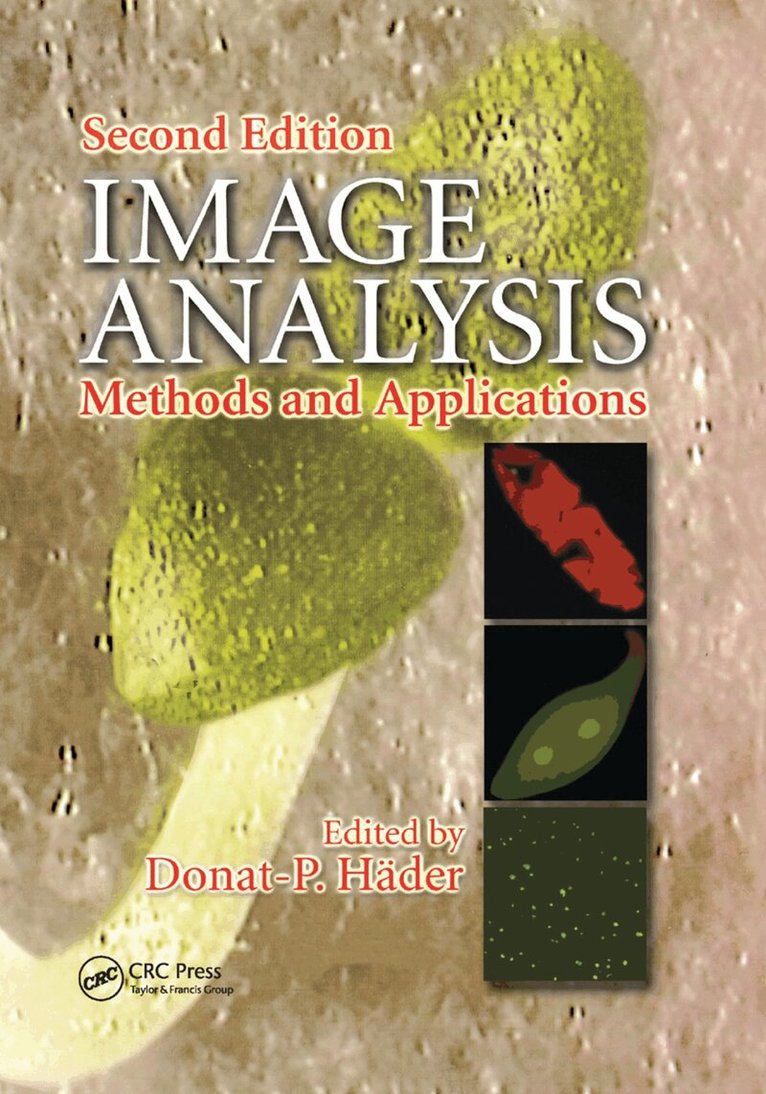
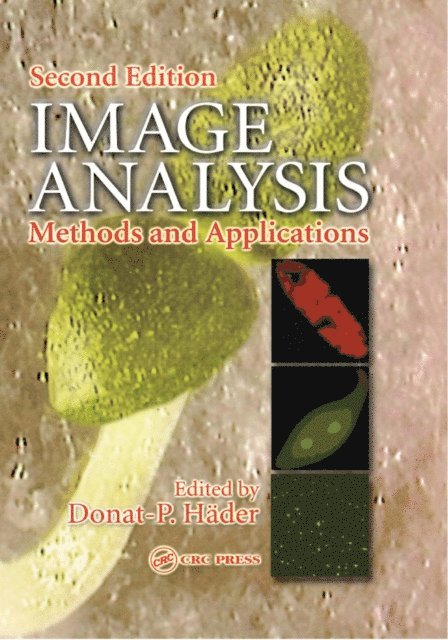
Image Analysis
Methods and Applications, Second Edition
Häftad, 2019
1040 kr
Lägg i varukorg
Automatic image analysis has become an important tool in many fields of biology, medicine, and other sciences. Since the first edition of Image Analysis: Methods and Applications, the development of both software and hardware technology has undergone quantum leaps. For example, specific …
Aquatic Ecosystems in a Changing Climate
E-bok, 2018
935 kr
Lägg i varukorg
Global climate change affects productivity and species composition of freshwater and marine aquatic ecosystems by raising temperatures, ocean acidification, excessive solar UV and visible radiation. Effects on bacterioplankton and viruses, phytoplankton and macroalgae have farreaching consequences …
Aquatic Ecosystems in a Changing Climate
E-bok, 2018
935 kr
Lägg i varukorg
Global climate change affects productivity and species composition of freshwater and marine aquatic ecosystems by raising temperatures, ocean acidification, excessive solar UV and visible radiation. Effects on bacterioplankton and viruses, phytoplankton and macroalgae have farreaching consequences …
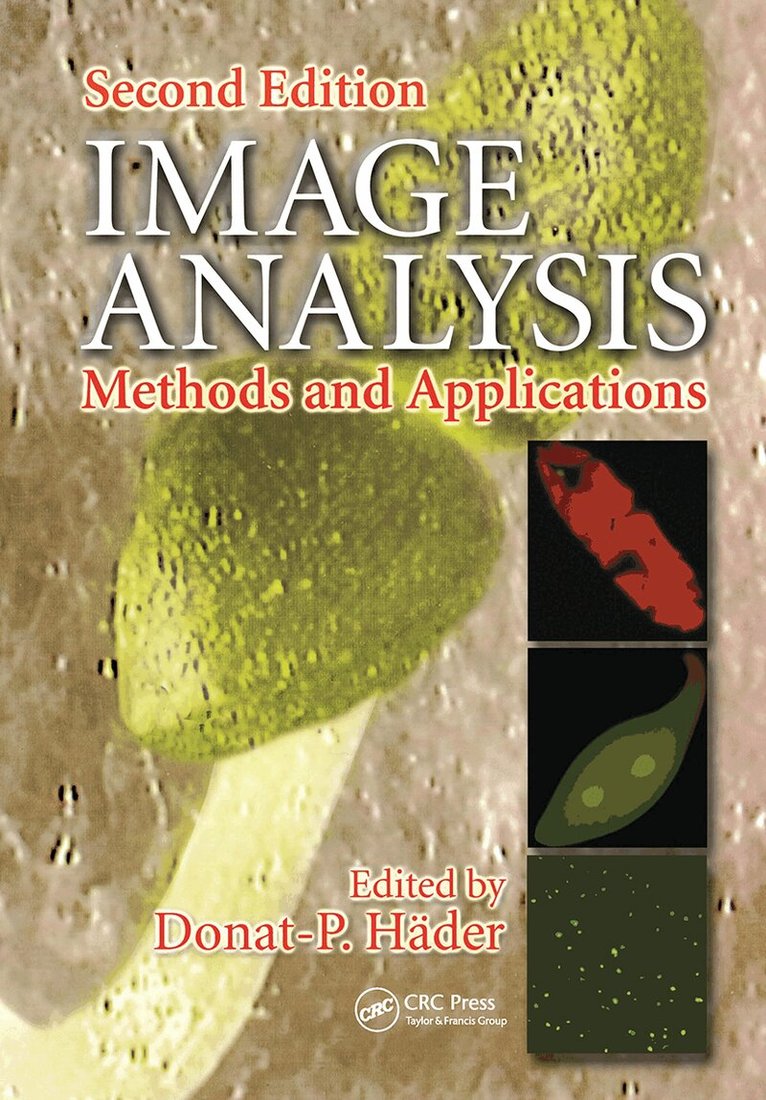
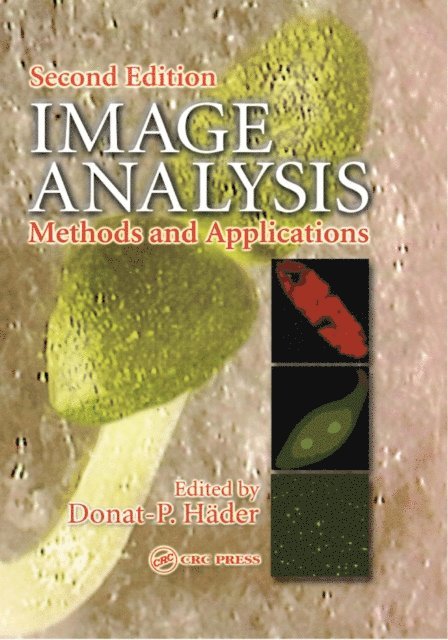
Image Analysis
Methods and Applications, Second Edition
Inbunden, 2000
4354 kr
Lägg i varukorg
Automatic image analysis has become an important tool in many fields of biology, medicine, and other sciences. Since the first edition of Image Analysis: Methods and Applications, the development of both software and hardware technology has undergone quantum leaps. For example, specific …
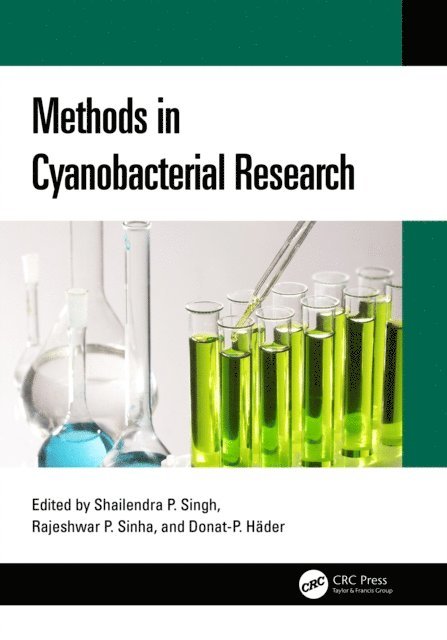
Methods in Cyanobacterial Research
Av Donat-P. Hader, Rajeshwar P. Sinha m. fl.
E-bok, 2024
1000 kr
Lägg i varukorg
This laboratory reference compiles the essential protocols used in cyanobacterial research. Cyanobacteria is a model system for biofuel production and sequestration of carbon dioxide to tackle global climate change due to increasing levels of greenhouse gases. Topics range from identification and …
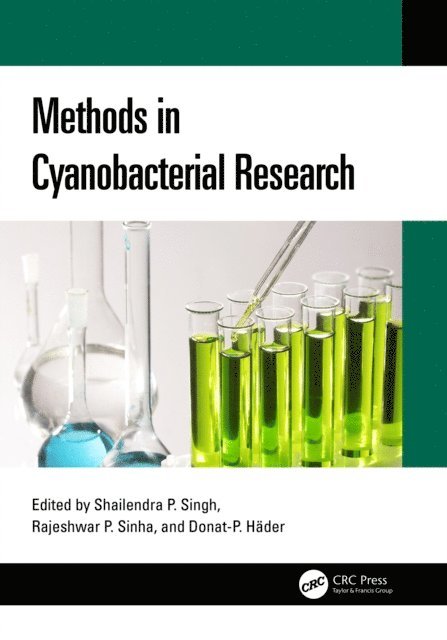
Methods in Cyanobacterial Research
Av Donat-P. Hader, Rajeshwar P. Sinha m. fl.
E-bok, 2024
989 kr
Lägg i varukorg
This laboratory reference compiles the essential protocols used in cyanobacterial research. Cyanobacteria is a model system for biofuel production and sequestration of carbon dioxide to tackle global climate change due to increasing levels of greenhouse gases. Topics range from identification and …
Image Analysis
Methods and Applications, Second Edition
E-bok, 2000
1230 kr
Lägg i varukorg
Automatic image analysis has become an important tool in many fields of biology, medicine, and other sciences. Since the first edition of Image Analysis: Methods and Applications, the development of both software and hardware technology has undergone quantum leaps. For example, specific …
Image Analysis
Methods and Applications, Second Edition
E-bok, 2000
1230 kr
Lägg i varukorg
Automatic image analysis has become an important tool in many fields of biology, medicine, and other sciences. Since the first edition of Image Analysis: Methods and Applications, the development of both software and hardware technology has undergone quantum leaps. For example, specific …
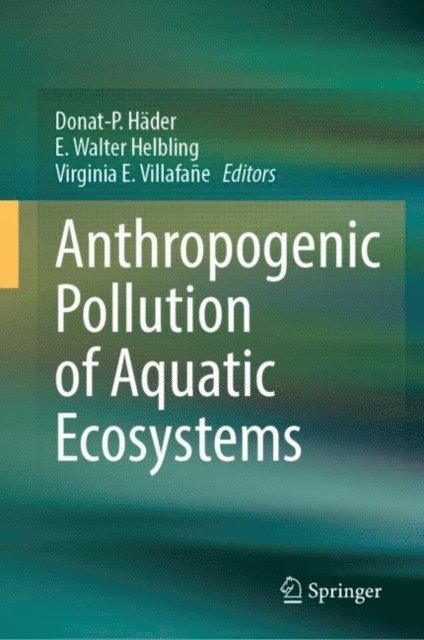
Anthropogenic Pollution of Aquatic Ecosystems
Av Virginia E. Villafane, E. Walter Helbling m. fl.
E-bok, 2021
1948 kr
Lägg i varukorg
This book provides examples of pollutants, such as accidental oil spills and non-degradable plastic debris, which affect marine organisms of all taxa. Terrestrial runoff washes large amounts of dissolved organic materials from agriculture and industry, toxic heavy metals, pharmaceuticals, and …
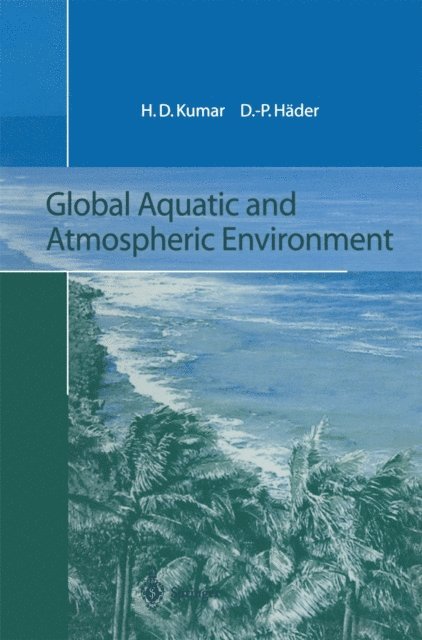
Global Aquatic and Atmospheric Environment
Av Donat-P. Hader, Har D. Kumar
E-bok, 2012
710 kr
Lägg i varukorg
During the last few decades anthropogenic activities in the industrially advanced countries have outcompeted nature in changing the global environment. This is best illustrated for example by the polluted lakes in Scandinavia and Canada, associated with acid deposition from fossil fuel combustion. …
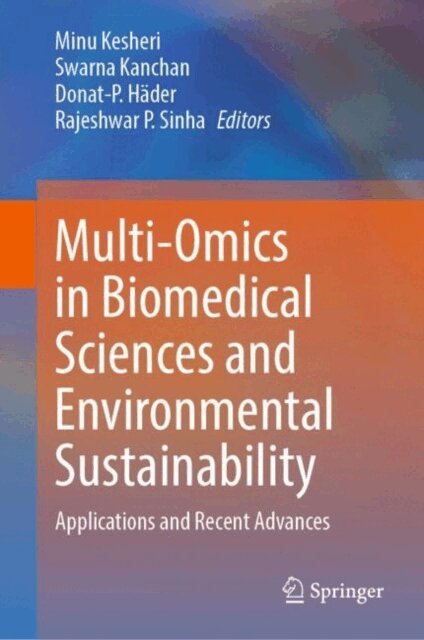
Multi-Omics in Biomedical Sciences and Environmental Sustainability
Applications and Recent Advances
Av Rajeshwar P. Sinha, Donat-P. Hader m. fl.
E-bok, 2025
2174 kr
Lägg i varukorg
This book offers a comprehensive exploration of the cutting-edge multi-omics technologies that are revolutionizing research across biomedical sciences and environmental sustainability. It addresses the urgent need for interdisciplinary research by integrating multi-omics approaches with …