Dong Hoon Shin – författare
Visar alla böcker från författaren . Handla med fri frakt och snabb leverans.
4 produkter
4 produkter
Inbunden, Engelska, 2026
1 000 kr
Skickas
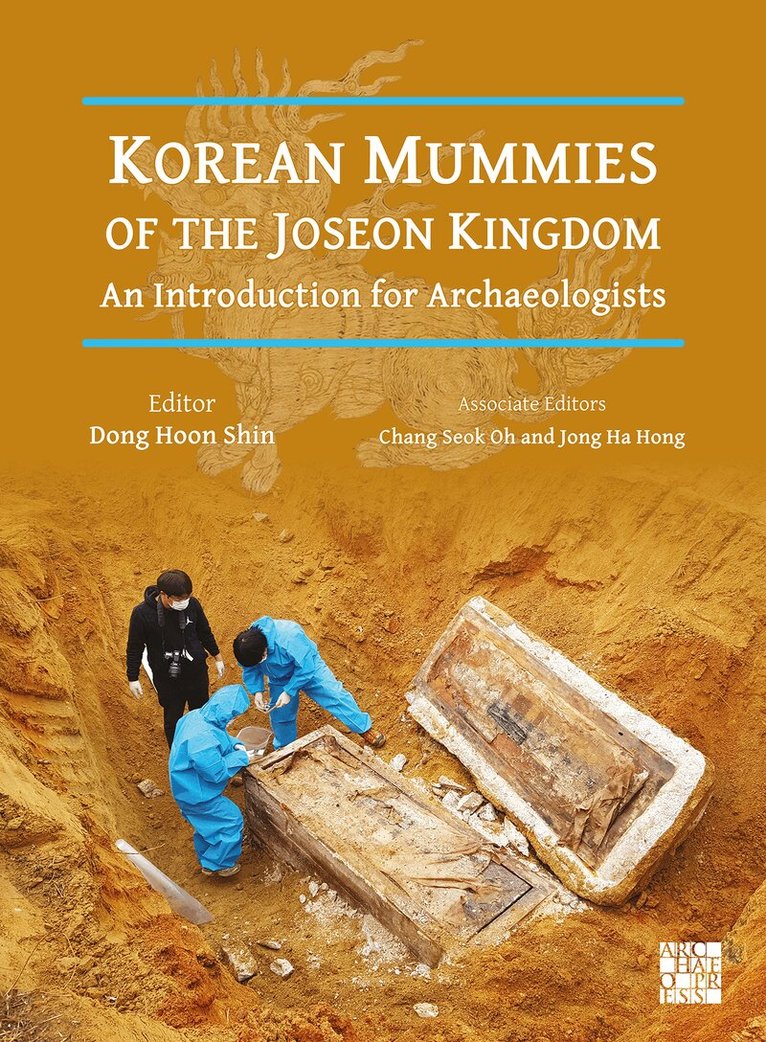
Mummies uncovered at archaeological sites worldwide have proven invaluable to the fi elds of history, archaeology, and anthropology. Their study offers rich opportunities to explore the sociocultural and medical dimensions of ancient peoples and societies, providing multi faceted insights into their lives within specific historical contexts.This is equally true for mummies excavated from Joseon Dynasty graves dating from the 15th to the 19th centuries. Over the decades, systematic research in Korea has yielded invaluable data on the people of this era. Studies of Joseon mummies have provided important insights into the health and disease patterns of premodern East Asia, employing rigorous scientific methodologies.Nevertheless, despite these advances, detailed accounts of the cultural context surrounding Korean mummies remain limited. Biomedical analyses have dominated the fi eld, but integrating historical and archaeological perspectives is essential for a more comprehensive understanding.This book seeks to fill that gap. The authors advance the academic discourse by focusing on the historical, archaeological, and anthropological dimensions of Joseon-period mummies. In addition to the scientific study of the mummies themselves, chapters also highlight the wealth of information on dress and clothing that can be gleaned from the well-preserved examples from Joseon tombs, as well as discussing ethical issues and the legal framework to mummy studies in Korea. The second part of the book presents a series of significant case studies, showcasing key discoveries and demonstrating the development of scientific techniques. Overall the book provides a comprehensive exploration of the cultural background of Joseon Dynasty mummies, making this rich and diverse fi eld of study accessible to scholars outside Korea.
5 234 kr
Skickas inom 10-15 vardagar
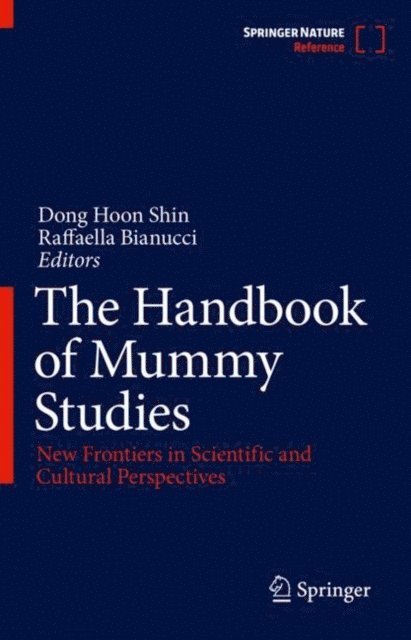
Owing to their unique state of preservation, mummies provide us with significant historical and scientific knowledge of humankind’s past. This handbook, written by prominent international experts in mummy studies, offers readers a comprehensive guide to new understandings of the field’s most recent trends and developments. It provides invaluable information on the health states and pathologies of historic populations and civilizations, as well as their socio-cultural and religious characteristics. Addressing the developments in mummy studies that have taken place over the past two decades – which have been neglected for as long a time – the authors excavate the ground-breaking research that has transformed scientific and cultural knowledge of our ancient predecessors. The handbook investigates the many new biotechnological tools that are routinely applied in mummy studies, ranging from morphological inspection and endoscopy to minimally invasive radiological techniques that are used to assess states of preservation. It also looks at the paleoparasitological and pathological approaches that have been employed to reconstruct the lifestyles and pathologic conditions of ancient populations, and considers the techniques that have been applied to enhance biomedical knowledge, such as craniofacial reconstruction, chemical analysis, stable isotope analysis and ancient DNA analysis. This interdisciplinary handbook will appeal to academics in historical, anthropological, archaeological and biological sciences, and will serve as an indispensable companion to researchers and students interested in worldwide mummy studies.
5 703 kr
Läs direkt efter köp
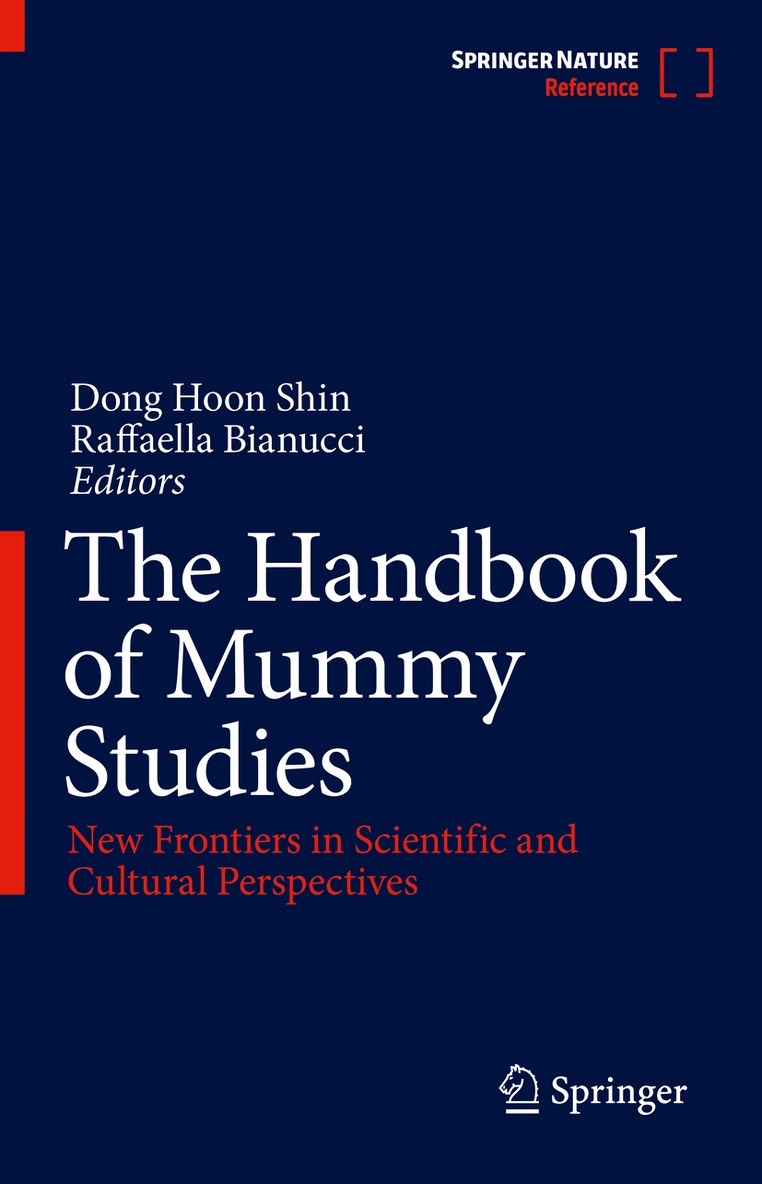
Owing to their unique state of preservation, mummies provide us with significant historical and scientific knowledge of humankind’s past. This handbook, written by prominent international experts in mummy studies, offers readers a comprehensive guide to new understandings of the field’s most recent trends and developments. It provides invaluable information on the health states and pathologies of historic populations and civilizations, as well as their socio-cultural and religious characteristics. Addressing the developments in mummy studies that have taken place over the past two decades – which have been neglected for as long a time – the authors excavate the ground-breaking research that has transformed scientific and cultural knowledge of our ancient predecessors. The handbook investigates the many new biotechnological tools that are routinely applied in mummy studies, ranging from morphological inspection and endoscopy to minimally invasive radiological techniques that are used to assess states of preservation. It also looks at the paleoparasitological and pathological approaches that have been employed to reconstruct the lifestyles and pathologic conditions of ancient populations, and considers the techniques that have been applied to enhance biomedical knowledge, such as craniofacial reconstruction, chemical analysis, stable isotope analysis and ancient DNA analysis. This interdisciplinary handbook will appeal to academics in historical, anthropological, archaeological and biological sciences, and will serve as an indispensable companion to researchers and students interested in worldwide mummy studies.
Inbunden, Engelska, 2021
8 401 kr
Kommande