Donna Gibbs – författare
Visar alla böcker från författaren Donna Gibbs. Handla med fri frakt och snabb leverans.
6 produkter
6 produkter
Inbunden, Engelska, 2009
1 090 kr
Skickas inom 10-15 vardagar
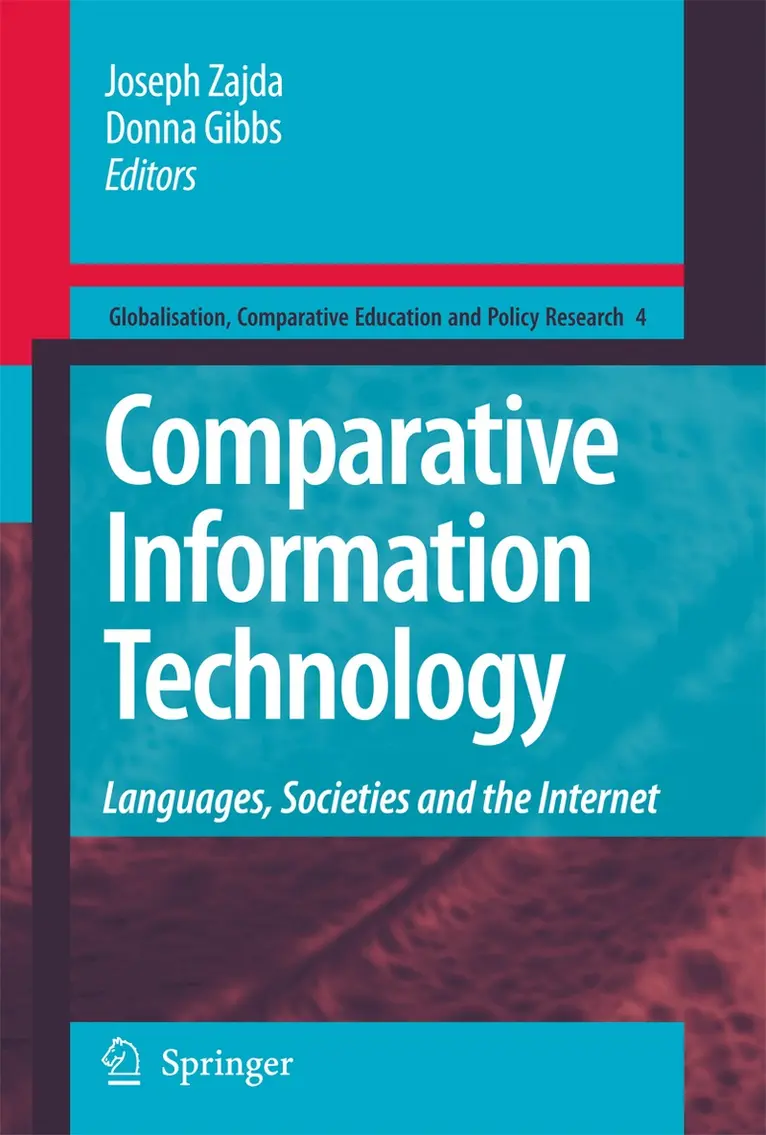
Comparative Information Technology: Languages, Societies and the Internet, which is the fourth volume in the 12-volume series Globalisation, Comparative Education and Policy Research, offers a critique of the nexus between ICT and its impact on society, individuals and educational institutions. One of the most signification dimensions of globalisation has been the rapid development of information and communications technologies (ICTs). Our lives have been changed by this in numerous ways and the implications for education are en- mous. The ICTs have transformed the linguistic, cognitive and visual dim- sions of human communication, as well as our perceptions of the self, and social identity in the global culture. The ICTs have facilitated the development of new dimensions of digital literacy, such as blogging and sms messaging. In this sense, cyberlanguage continues to evolve by borrowing and adapting familiar words, coining new expressions, and embracing particular styles (Gibbs & Krause, 2006, 2007). However, information technology can be both empowering and disempowering. Individuals use the Internet, notebooks, and their BlackBerries and communicate via email. If clothing is an extension of one’s skin, then the ICT has become an extension of our bodies. In a globalised world, linked through the Internet, a n- formed identity can lead to a multiplicity of identities, some contradictory to each other, and some taking place primarily in the virtual communities of cyberspace.
E-bok
PDF, Engelska, 20091 328 kr
Läs direkt efter köp
Comparative Information Technology: Languages, Societies and the Internet, which is the fourth volume in the 12-volume series Globalisation, Comparative Education and Policy Research, offers a critique of the nexus between ICT and its impact on society, individuals and educational institutions. One of the most signification dimensions of globalisation has been the rapid development of information and communications technologies (ICTs). Our lives have been changed by this in numerous ways and the implications for education are en- mous. The ICTs have transformed the linguistic, cognitive and visual dim- sions of human communication, as well as our perceptions of the self, and social identity in the global culture. The ICTs have facilitated the development of new dimensions of digital literacy, such as blogging and sms messaging. In this sense, cyberlanguage continues to evolve by borrowing and adapting familiar words, coining new expressions, and embracing particular styles (Gibbs & Krause, 2006, 2007). However, information technology can be both empowering and disempowering. Individuals use the Internet, notebooks, and their BlackBerries and communicate via email. If clothing is an extension of one’s skin, then the ICT has become an extension of our bodies. In a globalised world, linked through the Internet, a n- formed identity can lead to a multiplicity of identities, some contradictory to each other, and some taking place primarily in the virtual communities of cyberspace.
E-bok
Engelska, 201783 kr
Läs direkt efter köp
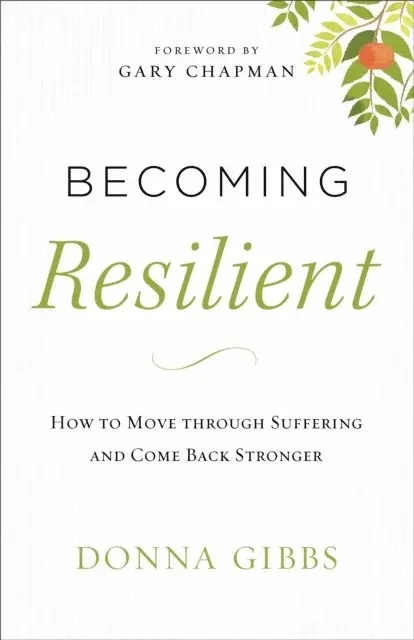
Everyone suffers disappointment, rejection, injustices, and losses, perhaps even traumatic ones. The spiritual pain born of such suffering can paralyze us, leaving us broken inside and barely getting by with the motions of life. Whether we remain stuck or move forward is determined in large part by our resilience.Concise and compassionate, Becoming Resilient takes our most common question when tragedy strikes--Why?--and replaces it with the healthier, more productive question, What next? A professional Christian counselor for 20 years, author Donna Gibbs draws on her experience helping clients get unstuck, sharing secrets for building resilience that will change readers'' experience of suffering. She offers practical tools and effective coping strategies to deal with whatever life throws their way so they can move through suffering--and come out stronger on the other side.
E-bok
Engelska, 201888 kr
Läs direkt efter köp
Insecurity is easily the most pervasive struggle of women in America today. We have more ways than ever to compare ourselves to others--who are all prettier, thinner, smarter, more successful, and more put together than we are--and our sense of self-worth takes a serious beating on an almost daily basis. We''re tired of simply commiserating with writers and bloggers who share their own struggles--we want real, workable solutions about how to find peace with ourselves.This is what professional Christian counselor Donna Gibbs gives women with Silencing Insecurity. Drawing from her twenty years of experience counseling women, she exposes the many lies that produce insecurities in us starting from a young age, the result of letting those insecurities get the best of us, and, most importantly, the way out of insecurity--for good. Anyone who is tired of letting insecurity snatch away the joy from her life will welcome this practical and freeing book.
Häftad, Engelska, 2021
149 kr
Skickas inom 5-8 vardagar
Del 4 - Globalisation, Comparative Education and Policy Research
Comparative Information Technology
Languages, Societies and the Internet
Häftad, Engelska, 2011
1 059 kr
Skickas inom 10-15 vardagar
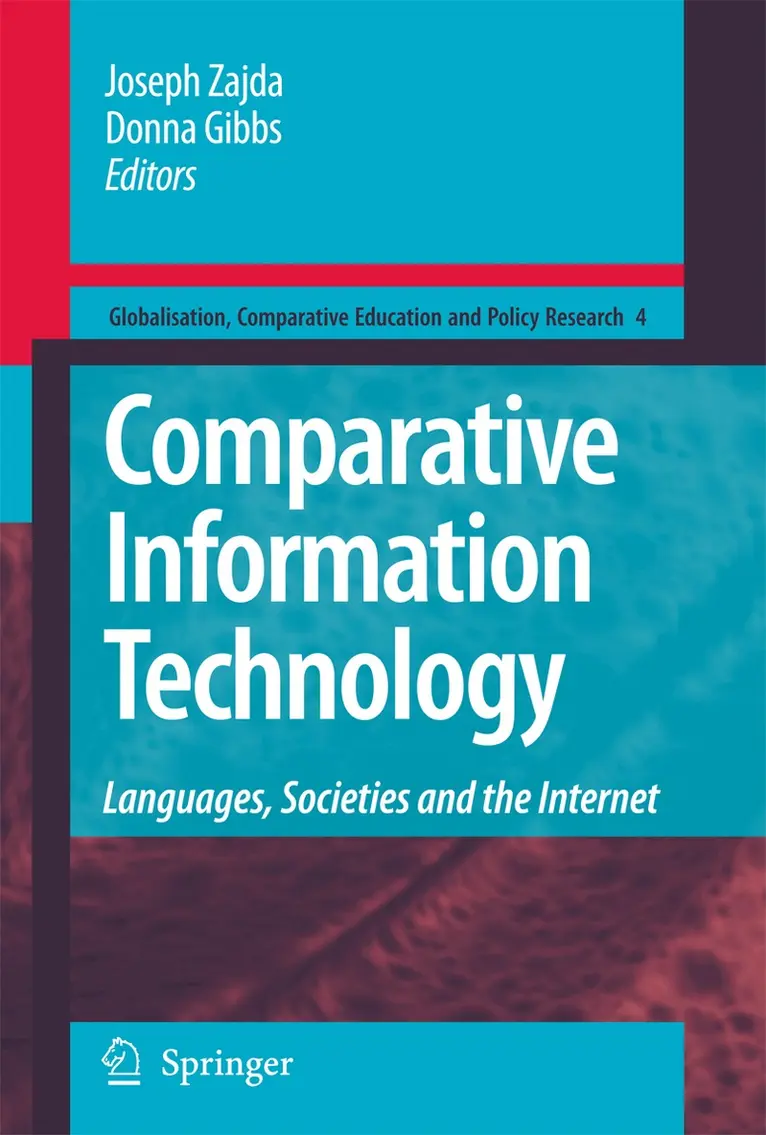
Comparative Information Technology: Languages, Societies and the Internet, which is the fourth volume in the 12-volume series Globalisation, Comparative Education and Policy Research, offers a critique of the nexus between ICT and its impact on society, individuals and educational institutions. One of the most signification dimensions of globalisation has been the rapid development of information and communications technologies (ICTs). Our lives have been changed by this in numerous ways and the implications for education are en- mous. The ICTs have transformed the linguistic, cognitive and visual dim- sions of human communication, as well as our perceptions of the self, and social identity in the global culture. The ICTs have facilitated the development of new dimensions of digital literacy, such as blogging and sms messaging. In this sense, cyberlanguage continues to evolve by borrowing and adapting familiar words, coining new expressions, and embracing particular styles (Gibbs & Krause, 2006, 2007). However, information technology can be both empowering and disempowering. Individuals use the Internet, notebooks, and their BlackBerries and communicate via email. If clothing is an extension of one’s skin, then the ICT has become an extension of our bodies. In a globalised world, linked through the Internet, a n- formed identity can lead to a multiplicity of identities, some contradictory to each other, and some taking place primarily in the virtual communities of cyberspace.