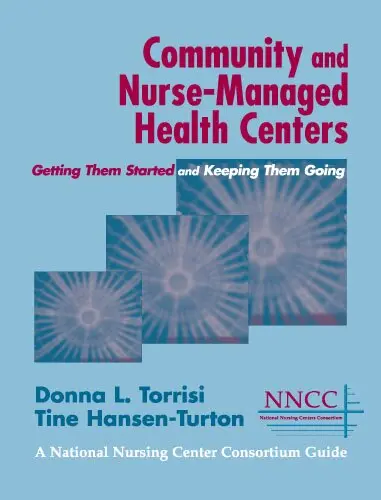
Designated a Doody's Core Title!Winner of an AJN Book of the Year Award!A National Nursing Centers Consortium Guide This book provides a step-by-step guide to starting and sustaining a community health center, with an emphasis on nurse-managed centers. The authors share their firsthand knowledge with readers, including information on developing a mission statement, pulling together an advisory board, writing a business plan, and getting funding. The process for obtaining Federally Qualified Health Center Status (and thus federal funding) is described. Of great value is the book's Appendix, which provides very useful examples. They include sample bylaws, a full policy and procedure manual, physician and nurse practitioner collaborative agreements, job descriptions, a contract with a local agency, and outcome and assessment guidelines. Donna Torrisi is the founder of The Family Practice and Counseling Network in Philadelphia, which provides primary health services to public housing residents; Tine Hansen-Turton is the Executive Director of the National Nursing Centers Consortium.For Further Information, Please Click Here!
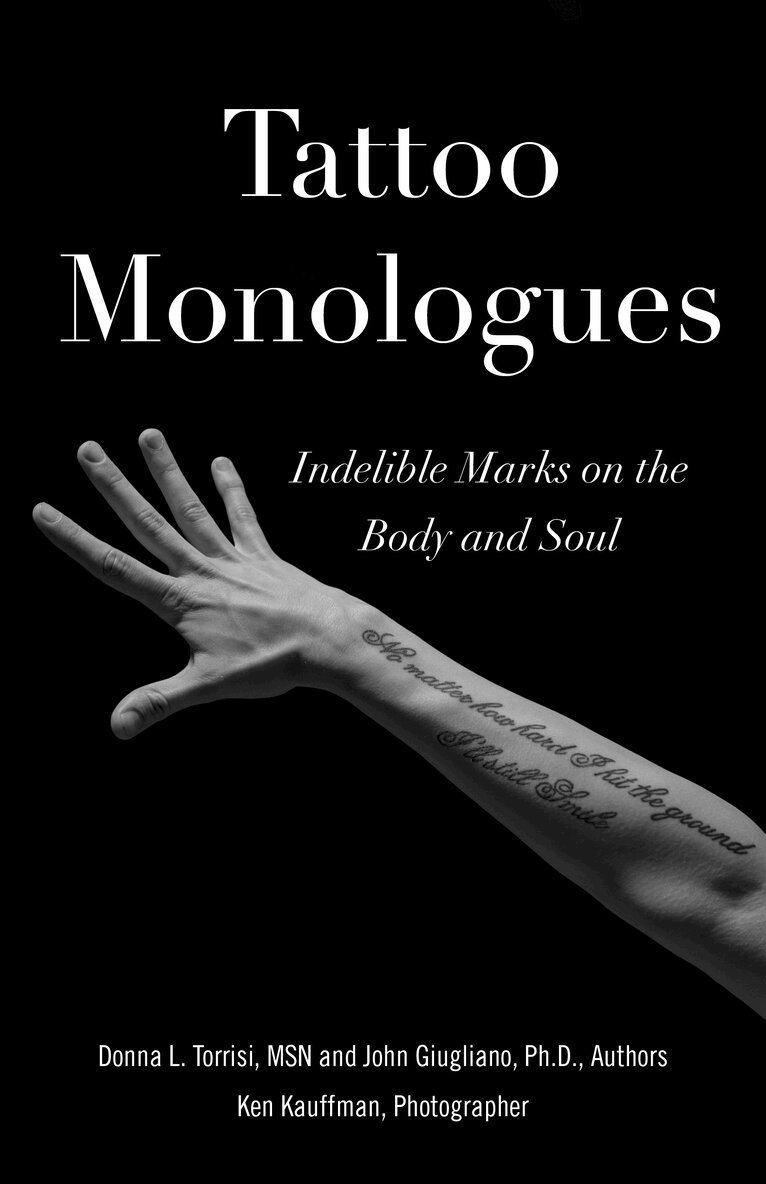
Body art can tell personal stories. When linked to a difficult or traumatic life, it can even restore one's sense of well-being. As director of a community health center for twenty-seven years and as a nurse practitioner for over forty years, Donna Torrisi became fascinated with the stories behind her patients' tattoos. When she began to ask her female patients about their markings, themes of trauma, pain, and loss emerged, and it became clear that the art indelibly marked on their bodies had played a part in their healing and redemption. The women featured in Tattoo Monologues demonstrate vulnerability and courage as they share both their personal tattoo narratives and photos of the images on their bodies. These women represent diverse cultures, ethnicities, and professional contexts, but they are united by their use of tattoos as a tool for processing traumatic life experiences. The images, stories, emotions, and journeys in this book collectively tell a compelling story. A story of skin and ink. A story of trauma and adversity. A story of courage and resilience.
Designated a Doody's Core Title!Winner of an AJN Book of the Year Award!A National Nursing Centers Consortium Guide This book provides a step-by-step guide to starting and sustaining a community health center, with an emphasis on nurse-managed centers. The authors share their firsthand knowledge with readers, including information on developing a mission statement, pulling together an advisory board, writing a business plan, and getting funding. The process for obtaining Federally Qualified Health Center Status (and thus federal funding) is described. Of great value is the book's Appendix, which provides very useful examples. They include sample bylaws, a full policy and procedure manual, physician and nurse practitioner collaborative agreements, job descriptions, a contract with a local agency, and outcome and assessment guidelines. Donna Torrisi is the founder of The Family Practice and Counseling Network in Philadelphia, which provides primary health services to public housing residents; Tine Hansen-Turton is the Executive Director of the National Nursing Centers Consortium.For Further Information, Please Click Here!
Body art can tell personal stories. When linked to a difficult or traumatic life, it can even restore one's sense of well-being. As director of a community health center for twenty-seven years and as a nurse practitioner for over forty years, Donna Torrisi became fascinated with the stories behind her patients' tattoos. When she began to ask her female patients about their markings, themes of trauma, pain, and loss emerged, and it became clear that the art indelibly marked on their bodies had played a part in their healing and redemption. The women featured in Tattoo Monologues demonstrate vulnerability and courage as they share both their personal tattoo narratives and photos of the images on their bodies. These women represent diverse cultures, ethnicities, and professional contexts, but they are united by their use of tattoos as a tool for processing traumatic life experiences. The images, stories, emotions, and journeys in this book collectively tell a compelling story. A story of skin and ink. A story of trauma and adversity. A story of courage and resilience.