Doug Rosenberg – författare
Visar alla böcker från författaren Doug Rosenberg. Handla med fri frakt och snabb leverans.
7 produkter
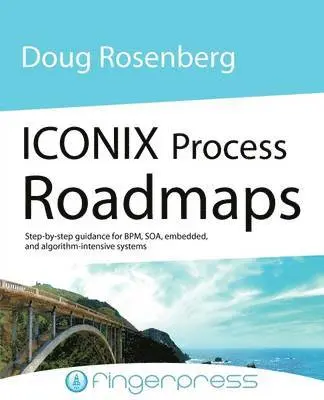
Iconix Process Roadmaps
Step-by-step Guidance for SOA, Embedded, and Algorithm-intensive Systems
Av Doug Rosenberg, Matt Stephens
Häftad, 2011
385 kr
Lägg i varukorg
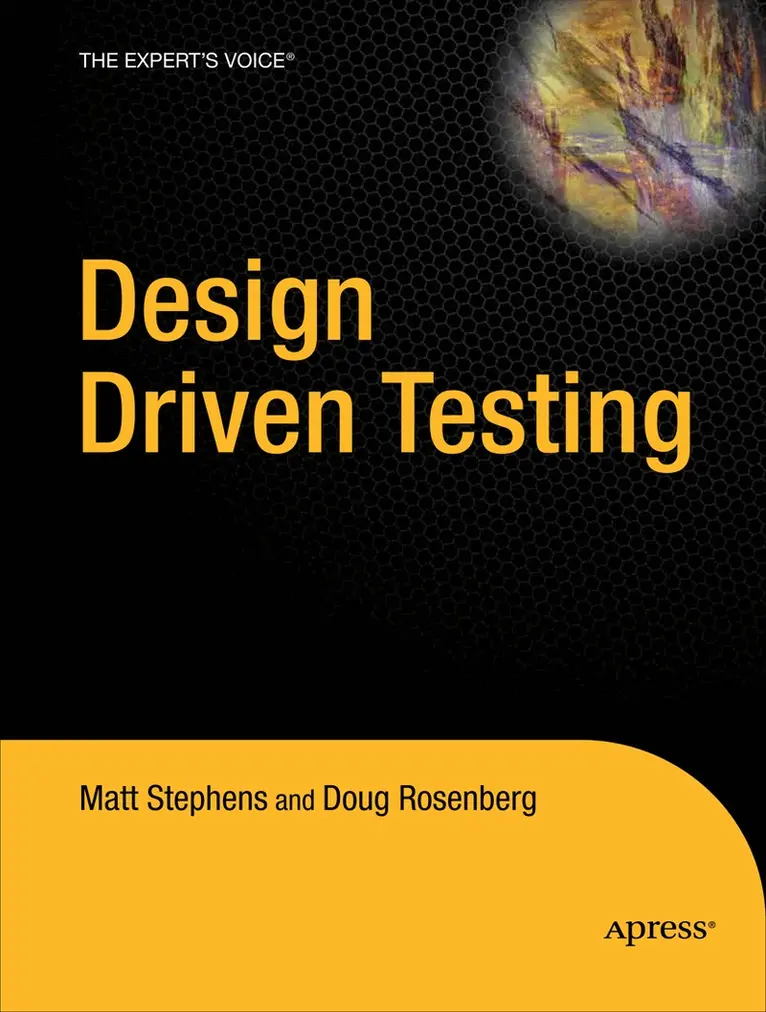
Design Driven Testing
Test Smarter, Not Harder
Av Matt Stephens, Doug Rosenberg
Häftad, 2010
568 kr
Lägg i varukorg
The groundbreaking book Design Driven Testing brings sanity back to the software development process by flipping around the concept of Test Driven Development (TDD)—restoring the concept of using testing to verify a design instead of pretending that unit tests are a replacement for design. Anyone …
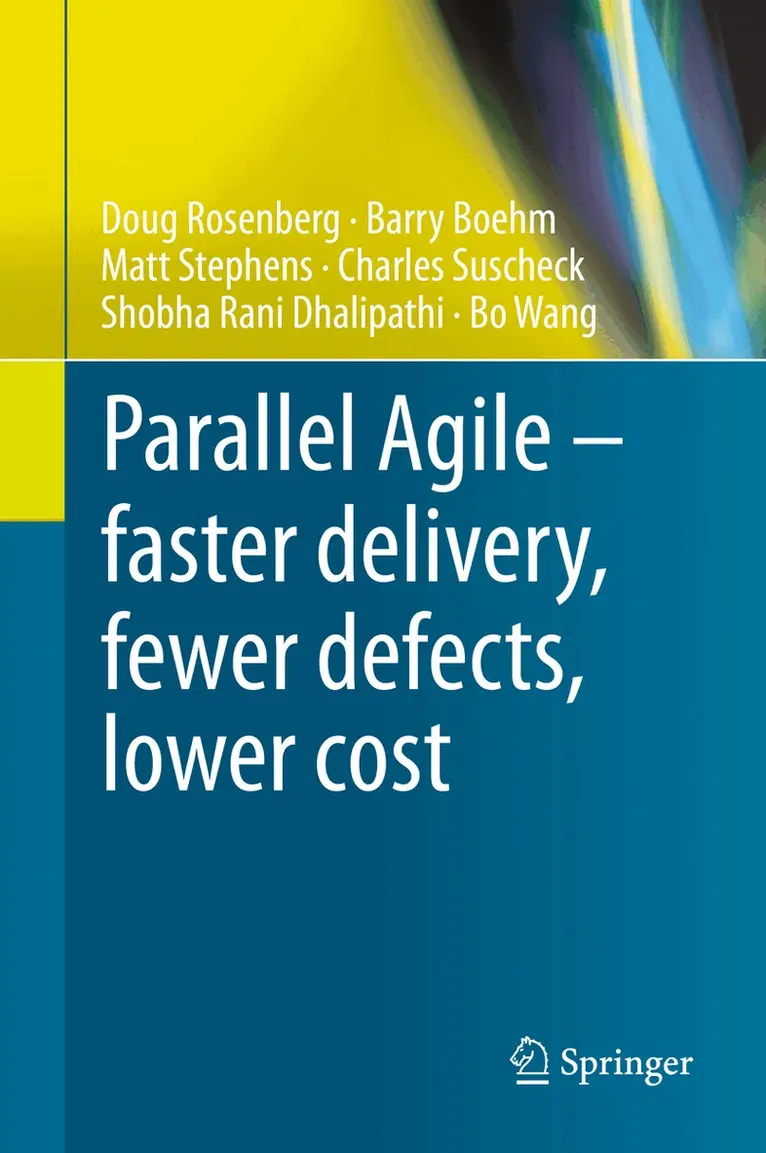
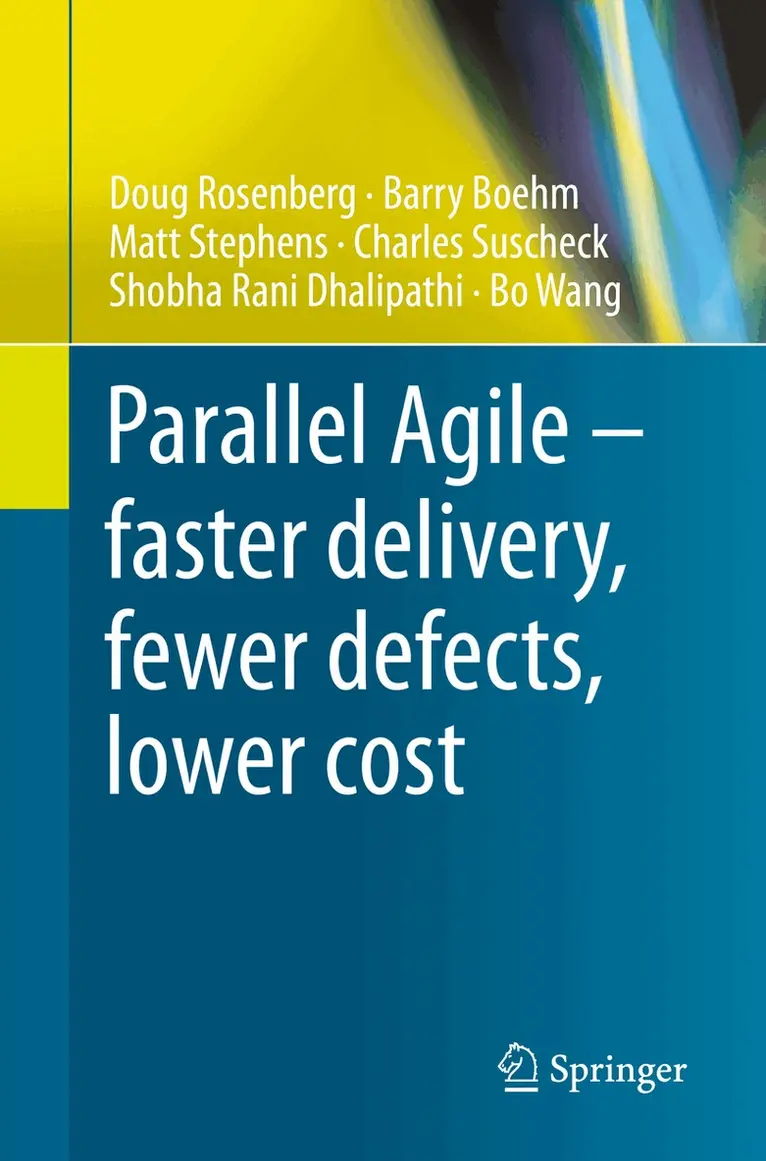
Parallel Agile – faster delivery, fewer defects, lower cost
Av Doug Rosenberg, Barry Boehm m. fl.
Inbunden, 2020
456 kr
Lägg i varukorg
From the beginning of software time, people have wondered why it isn’t possible to accelerate software projects by simply adding staff. This is sometimes known as the “nine women can’t make a baby in one month” problem. The most famous treatise declaring this to be impossible is Fred Brooks’ 1975 …
Parallel Agile - faster delivery, fewer defects, lower cost
Av Bo Wang, Shobha Rani Dhalipathi m. fl.
E-bok, 2020
588 kr
Lägg i varukorg
From the beginning of software time, people have wondered why it isn’t possible to accelerate software projects by simply adding staff. This is sometimes known as the “nine women can’t make a baby in one month” problem. The most famous treatise declaring this to be impossible is Fred Brooks’ 1975 …
Parallel Agile – faster delivery, fewer defects, lower cost
Av Doug Rosenberg, Barry Boehm m. fl.
Häftad, 2021
456 kr
Lägg i varukorg
From the beginning of software time, people have wondered why it isn’t possible to accelerate software projects by simply adding staff. This is sometimes known as the “nine women can’t make a baby in one month” problem. The most famous treatise declaring this to be impossible is Fred Brooks’ 1975 …
Pain-Free MBSE
A Rigorous Yet Simple Approach to SysML Modeling
Av Doug Rosenberg, Brian Moberley
Häftad, 2026
922 kr
Lägg i varukorg
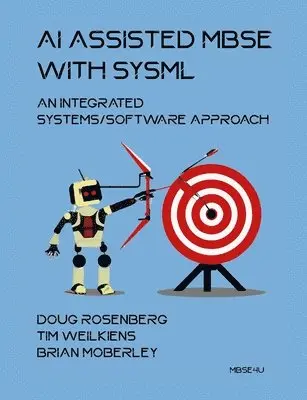
AI Assisted MBSE with SysML
An Integrated Systems/Software Approach
Av Doug Rosenberg, Tim Weilkiens m. fl.
Häftad, 2024
930 kr
Lägg i varukorg