Douglas Parker – författare
Visar alla böcker från författaren Douglas Parker. Handla med fri frakt och snabb leverans.
17 produkter
17 produkter
Häftad, Engelska, 2016
252 kr
Skickas inom 3-6 vardagar
Häftad, Engelska, 2006
183 kr
Skickas inom 5-8 vardagar
Inbunden, Engelska, 2006
276 kr
Skickas inom 5-8 vardagar
Inbunden, Engelska, 1999
993 kr
Skickas inom 5-8 vardagar
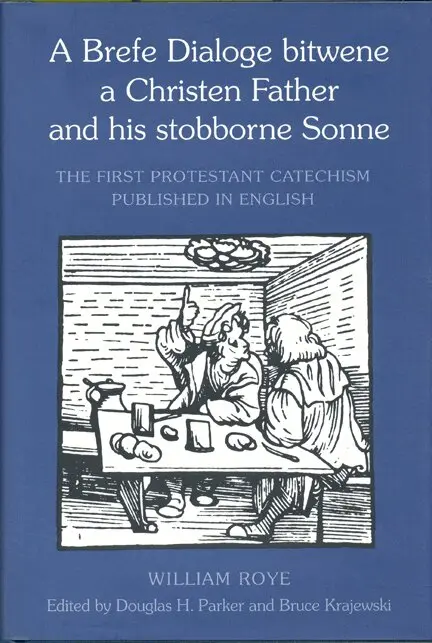
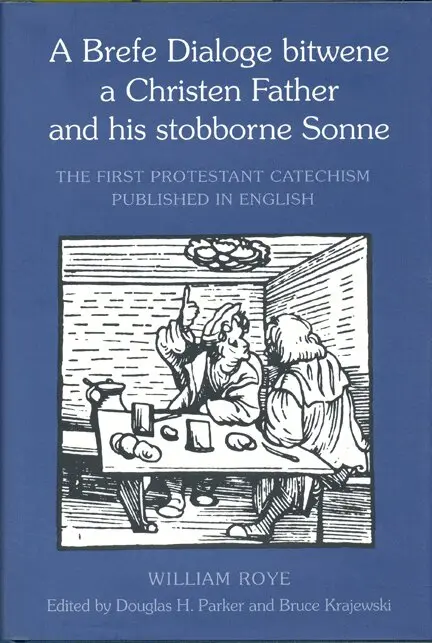
This is a new, critical edition of William Roye's A Brefe Dialoge bitwene a Christen Father and his stobborne Sonne, which was, in 1527, the first Protestant catechism to be published in English, and which represented the first to provide an extended and detailed statement of the new reformed doctrine in the vernacular. It was thus enormously influential on English Reformist thought, outlining a combination of doctrines that were to appeal to English reformers for decades to come. The Brefe Dialoge electrified the spiritual imagination of English-speaking reform-minded believers as intensely as Tyndale's 1526 English New Testament.The introduction carefully establishes the historical, religious, social, and cultural contexts out of which the work was born. It also provides details about Roye's life, other works, and commitment to the Reformist cause. The text of the catechism is accompanied by an extensive and detailed commentary that provides readers with clear readings for difficult passages, establishes a theological context for ideas expressed in the text, provides analogous readings from other early Reformation tracts, and glosses all the biblical citations and allusions.The Brefe Dialoge will be of value to students and scholars interested in the history, theology, and literature of the early English Reformation period.
Inbunden, Engelska, 2000
918 kr
Skickas inom 5-8 vardagar
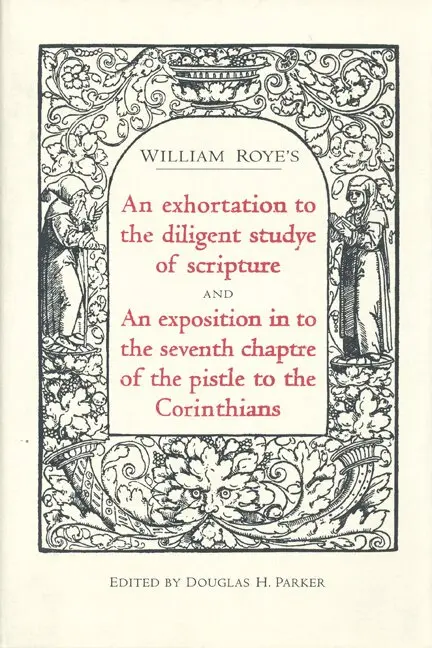
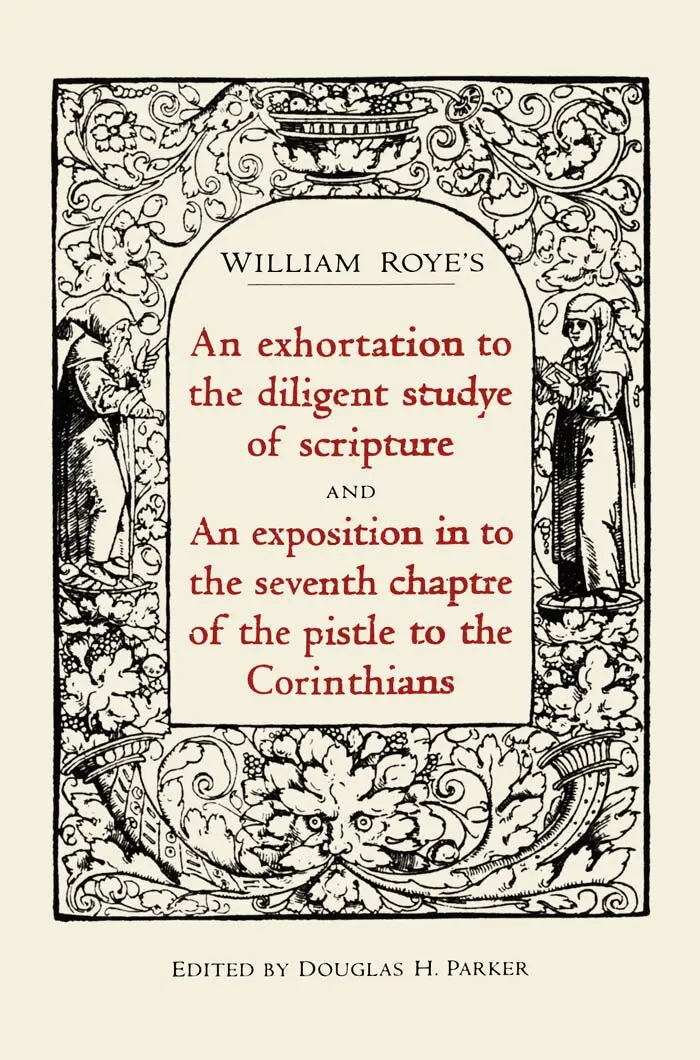
Douglas Parker presents an old-spelling, critical edition of William Roye's English translation of Erasmus' "An exhortation to the diligent studye of scripture (or Paraclesis)", and Martin Luther's "An exposition in to the seventh chaptre of the pistle to the Corinthians" (his commentary on St. Paul's 1 Corinthians 7), first published together in 1529. Roye's translation of Erasmus' Paraclesis was momentous because it underscored the reformers' call for a vernacular Bible, thereby providing them with a voice of authority that conservative forces could not ignore. Roye's translation of Luther was the first full-scale English rendering of a work by the great arch-heretic, and its subject matter (the iniquities of the unmarried clergy) suggested a unity of vision between European and English reformers. Most importantly, these two tracts were published together, ironically enough, thereby suggesting a unity of vision that neither Erasmus nor Luther would have been prepared to countenance.Parker's thorough volume includes: a literary/historical introduction situating the text and explaining its importance for the English reform movement; an essay on the fidelity of Roye's English renderings of the original Latin and German texts; commentary that glosses difficult readings, identifies all biblical and secular references, provides analogues from early English reformation tracts and from some of Erasmus' and Luther's other writings. This is a critical work for scholars of the English reformation movement.
Inbunden, Engelska, 2008
1 788 kr
Skickas inom 5-8 vardagar
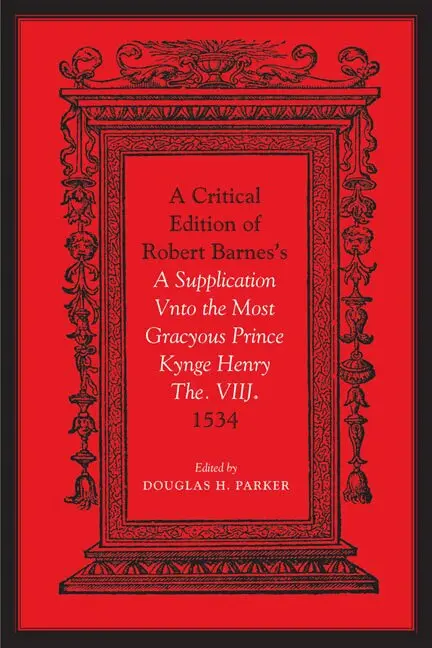
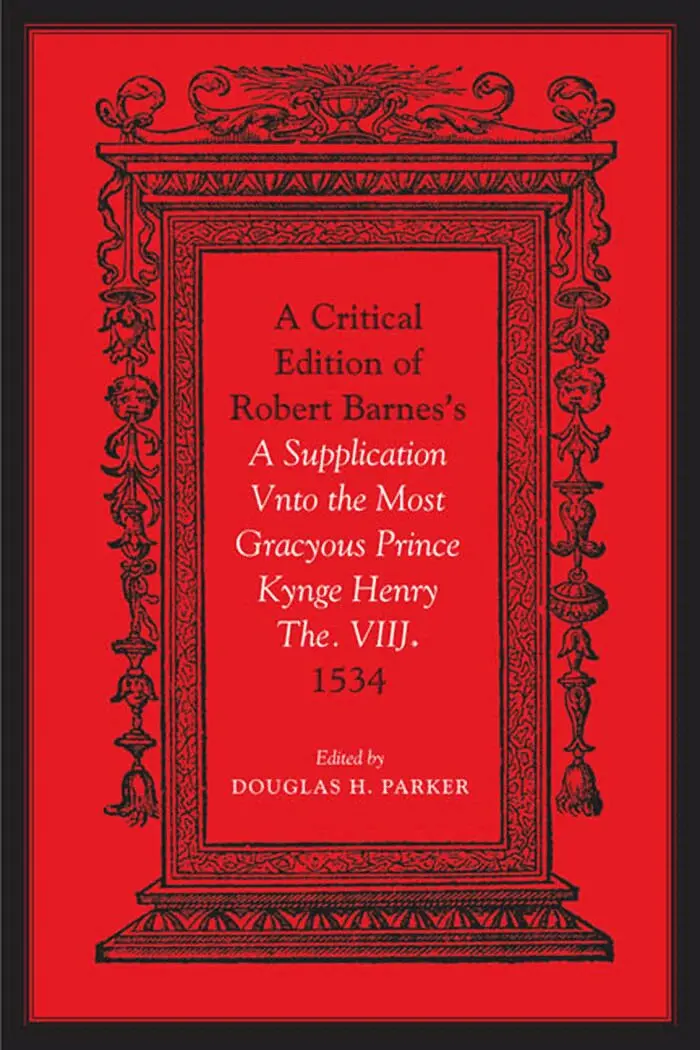
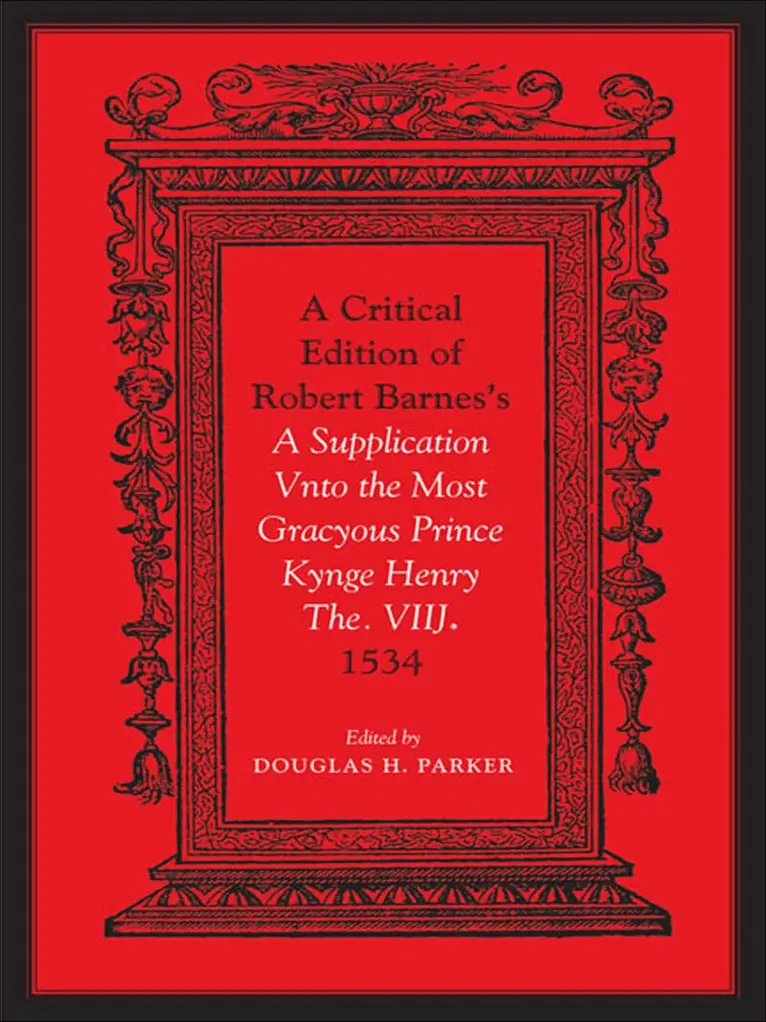
Robert Barnes (1495-1540) was perhaps the most important sixteenth-century English Protestant reformer after William Tyndale. The shifting religious and political views of Henry VIII positioned Barnes at the opposite end of the popular ideology of the day, culminating in his execution in 1540 soon after that of Thomas Cromwell.A Supplication Vnto the Most Gracyous Prince Kynge Henry The. VIIJ., the first edition of which appeared in 1531 during Barnes's German exile, was a controversial lament for the religious climate in England and an earnest argument in favour of reform. In this critical edition, Douglas H. Parker compares all extant versions of the text published in the sixteenth century, focusing on the differences between the 1531 and 1534 editions. Parker argues that the differences between versions can be explained by Barnes's increasing sensitivity to the unstable theological climate under Henry VIII as well as to the author's attempt to curry favour with the English government in 1534. This critical volume includes the entire 1534 edition of A Supplication, a biographical sketch of Barnes, a bibliographical introduction, a glossary of arcane words, and an appendix that features the 1531 edition, giving readers the chance to make their own comparison. This work is a long over-due study of one of the most fascinating and prescient texts to emerge from the Protestant Reformation.
E-bok
Engelska, 201444 kr
Läs direkt efter köp
Poor Lou! He could never catch a break - even after he was dead!Buffalo Police Detective Trench Phillips has the responsibility of tracking down the brutal executioner who ripped Lou’s head from his body! While clashing with his boss, the Sheriff’s Office, and a refrigerator full of Budweiser Light Platinums that frequently call his name, Phillips attacks the case using his wildly unorthodox methods, his cutting, sarcastic humor, and his loyal Kia Sportage named Daisy.Once the FBI becomes involved, Phillips’ world really turns into a firestorm - from armed predator drone attacks, to lethal doses of a heavy metal poison being dumped into the country’s water supplies, to catastrophes at The Civilian Interstellar Test Center. As the dangers climb and the bodies drop, Phillips becomes the only player left on the field in a very unsporting high stakes game between treachery and triumph that will both delight and dare fans of gritty, hardboiled detective action!
Häftad, Engelska, 2014
183 kr
Skickas inom 5-8 vardagar
E-bok
PDF, Engelska, 1997509 kr
Läs direkt efter köp
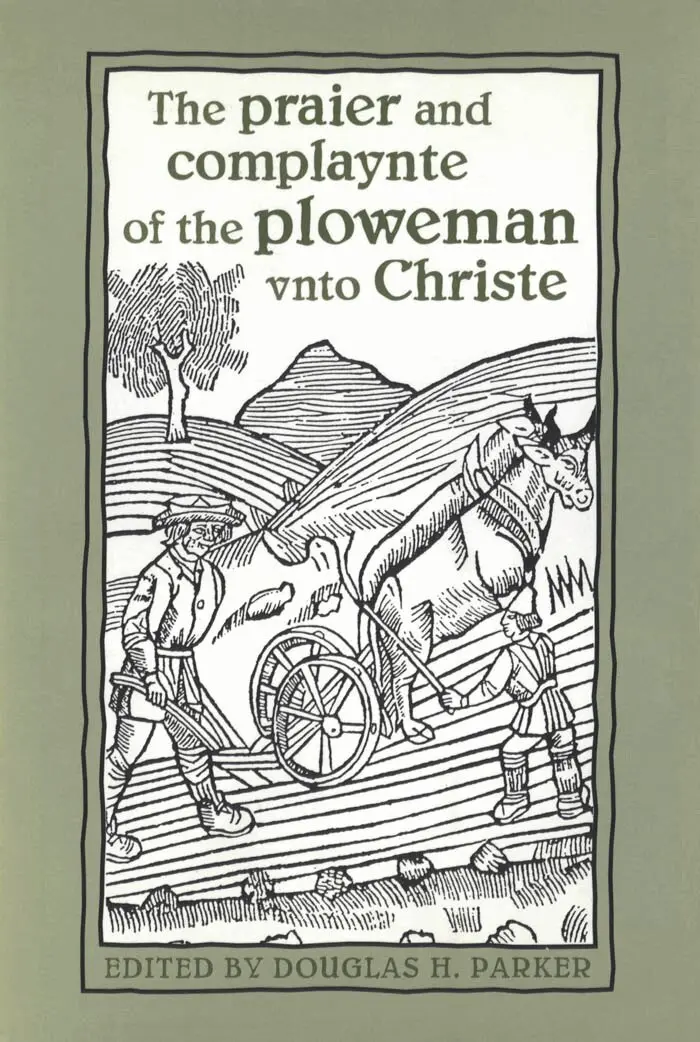
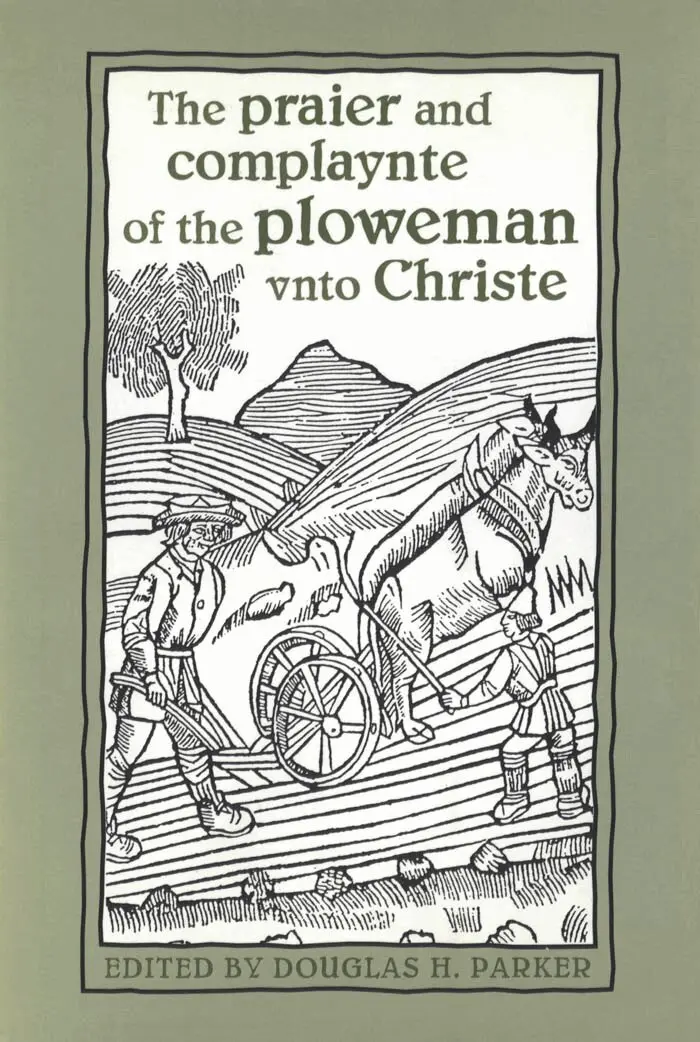
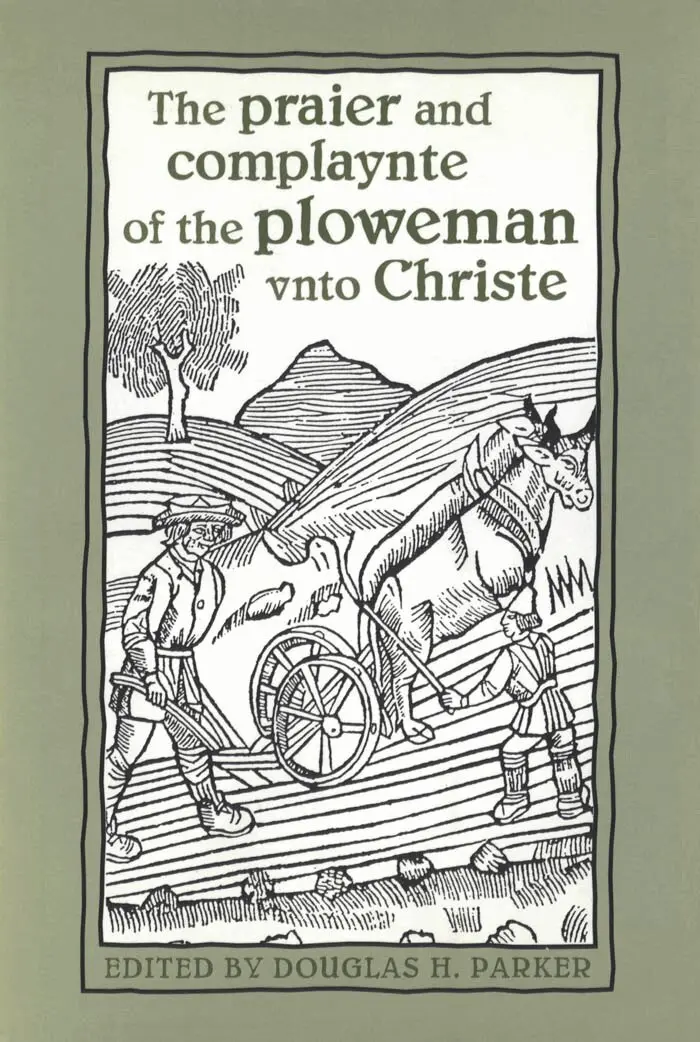
Sixteenth-century English Protestant reformers were hard-pressed to establish a historical pedigree that would provide their ideas with weight and legitimacy. Many of those reformers turned back to early fifteenth-century Lollard texts, recycling and reprinting them to serve the needs, both political and spiritual, of the burgeoning English Protestant reform movement. The anti-clerical and reformist Lollard text, The praier and complaynte of the ploweman vnto Christe, was one of the works used by sixteenth century English Protestants in their struggle for religious reform.This is an old-spelling, critical edition of the version of The praier and complaynte of the ploweman vnto Christethat resurfaced in the 1530s. Demonstrating the continuity of ideas between the Lollards and the Reformists, Douglas Parker situates The praier and complaynte firmly in the tradition of English Reformist borrowing of texts, and argues for William Tyndale as editor of the sixteenth-century version of The praier and complaynte. Parker examines the two extant copies of the manuscript, and comments on the work's structure and reformist content. He presents full historical, literary, and biographical information in his introduction, and a full line-by-line commentary on the text.This careful, meticulous work is a revealing look at the ideology of Protestant religious struggles in England from the fourteenth to the sixteenth century.
Häftad, Engelska, 1997
461 kr
Skickas inom 5-8 vardagar
Sixteenth-century English Protestant reformers were hard-pressed to establish a historical pedigree that would provide their ideas with weight and legitimacy. Many of those reformers turned back to early fifteenth-century Lollard texts, recycling and reprinting them to serve the needs, both political and spiritual, of the burgeoning English Protestant reform movement. The anti-clerical and reformist Lollard text, The praier and complaynte of the ploweman vnto Christe, was one of the works used by sixteenth century English Protestants in their struggle for religious reform.This is an old-spelling, critical edition of the version of The praier and complaynte of the ploweman vnto Christethat resurfaced in the 1530s. Demonstrating the continuity of ideas between the Lollards and the Reformists, Douglas Parker situates The praier and complaynte firmly in the tradition of English Reformist borrowing of texts, and argues for William Tyndale as editor of the sixteenth-century version of The praier and complaynte. Parker examines the two extant copies of the manuscript, and comments on the work's structure and reformist content. He presents full historical, literary, and biographical information in his introduction, and a full line-by-line commentary on the text.This careful, meticulous work is a revealing look at the ideology of Protestant religious struggles in England from the fourteenth to the sixteenth century.
E-bok
Engelska, 1997545 kr
Läs direkt efter köp
Sixteenth-century English Protestant reformers were hard-pressed to establish a historical pedigree that would provide their ideas with weight and legitimacy. Many of those reformers turned back to early fifteenth-century Lollard texts, recycling and reprinting them to serve the needs, both political and spiritual, of the burgeoning English Protestant reform movement. The anti-clerical and reformist Lollard text, The praier and complaynte of the ploweman vnto Christe, was one of the works used by sixteenth century English Protestants in their struggle for religious reform.This is an old-spelling, critical edition of the version of The praier and complaynte of the ploweman vnto Christethat resurfaced in the 1530s. Demonstrating the continuity of ideas between the Lollards and the Reformists, Douglas Parker situates The praier and complaynte firmly in the tradition of English Reformist borrowing of texts, and argues for William Tyndale as editor of the sixteenth-century version of The praier and complaynte. Parker examines the two extant copies of the manuscript, and comments on the work's structure and reformist content. He presents full historical, literary, and biographical information in his introduction, and a full line-by-line commentary on the text.This careful, meticulous work is a revealing look at the ideology of Protestant religious struggles in England from the fourteenth to the sixteenth century.
E-bok
PDF, Engelska, 19991 117 kr
Läs direkt efter köp
This is a new, critical edition of William Roye's A Brefe Dialoge bitwene a Christen Father and his stobborne Sonne, which was, in 1527, the first Protestant catechism to be published in English, and which represented the first to provide an extended and detailed statement of the new reformed doctrine in the vernacular. It was thus enormously influential on English Reformist thought, outlining a combination of doctrines that were to appeal to English reformers for decades to come. The Brefe Dialoge electrified the spiritual imagination of English-speaking reform-minded believers as intensely as Tyndale's 1526 English New Testament.The introduction carefully establishes the historical, religious, social, and cultural contexts out of which the work was born. It also provides details about Roye's life, other works, and commitment to the Reformist cause. The text of the catechism is accompanied by an extensive and detailed commentary that provides readers with clear readings for difficult passages, establishes a theological context for ideas expressed in the text, provides analogous readings from other early Reformation tracts, and glosses all the biblical citations and allusions.The Brefe Dialoge will be of value to students and scholars interested in the history, theology, and literature of the early English Reformation period.
E-bok
PDF, Engelska, 20001 176 kr
Läs direkt efter köp
Douglas Parker presents an old-spelling, critical edition of William Roye's English translation of Erasmus' "An exhortation to the diligent studye of scripture (or Paraclesis)", and Martin Luther's "An exposition in to the seventh chaptre of the pistle to the Corinthians" (his commentary on St. Paul's 1 Corinthians 7), first published together in 1529. Roye's translation of Erasmus' Paraclesis was momentous because it underscored the reformers' call for a vernacular Bible, thereby providing them with a voice of authority that conservative forces could not ignore. Roye's translation of Luther was the first full-scale English rendering of a work by the great arch-heretic, and its subject matter (the iniquities of the unmarried clergy) suggested a unity of vision between European and English reformers. Most importantly, these two tracts were published together, ironically enough, thereby suggesting a unity of vision that neither Erasmus nor Luther would have been prepared to countenance.Parker's thorough volume includes: a literary/historical introduction situating the text and explaining its importance for the English reform movement; an essay on the fidelity of Roye's English renderings of the original Latin and German texts; commentary that glosses difficult readings, identifies all biblical and secular references, provides analogues from early English reformation tracts and from some of Erasmus' and Luther's other writings. This is a critical work for scholars of the English reformation movement.
E-bok
PDF, Engelska, 19961 054 kr
Läs direkt efter köp
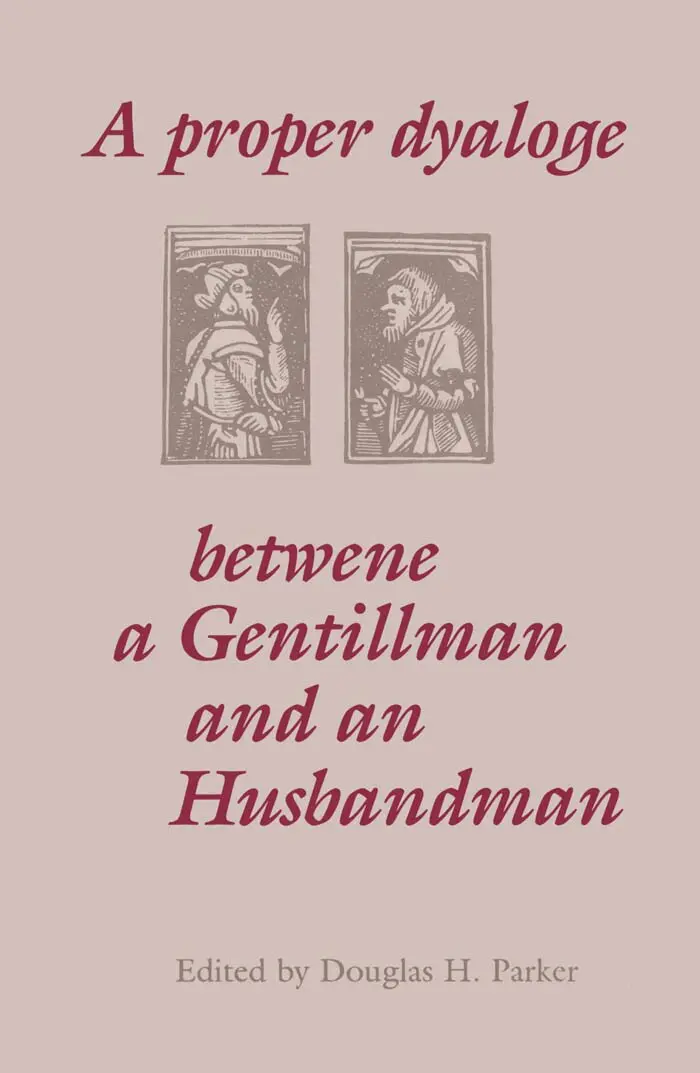
Less well known than the works of William Tyndale, A proper dyaloge betwene a Gentillman and an Husbandman is an important Reformation tract that articulates many of the major complaints of the early English Protestant reformers and captures them in a dramatic way through the medium of dialogue. It was designed to expose various manifestations of clerical abuse and act as a wake-up call to the laity - kings, gentlemen, and farmers alike - to play close attention to this malfeasance. The lengthy dialogue between a gentleman and a husbandman, or farmer, is actually a hybrid text that reinterprets history, rewriting it to support decidedly Protestant goals.A proper dyaloge was published twice: the second version, the basis of this edition, appeared in 1530, only months after the publication of the first, which appeared probably in late 1529. New material, plus a new, more aggressive tone mark the transition from one to another. The probable Lutheran authors borrow from a Lollard tract to demonstrate the continuity between Lollard and Lutheran thinking, at least on the matter of clerical worldliness, and to show that the claims made against the clergy by both the gentleman and husbandman are not new but part of a long-standing tradition. Following the two-part dialogue is a final prose piece: A compendious olde treatyse, whic argues the case for a vernacular version of the Bible.A proper dyaloge is important within the context of reformation literature for a number of reasons: it establishes links between Lollard and early sixteenth-century reformist thought; the issue of editor/authorship and censorship is crucial since much of the second edition deviates from the original version; and it is an excellent introduction to early Protestant critiques of the Church.
E-bok
PDF, Engelska, 19921 019 kr
Läs direkt efter köp
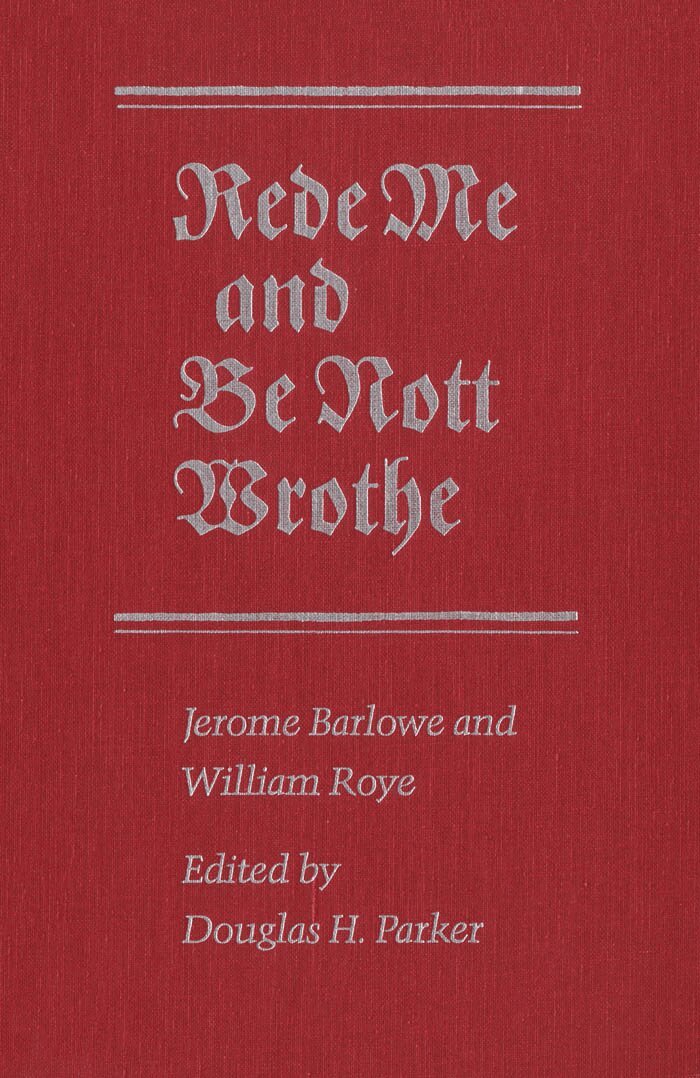
A critical, old-spelling edition of Rede me and be nott wrothe (1528), complete with an introduction, explanatory notes and glossary.
E-bok
PDF, Engelska, 20082 060 kr
Läs direkt efter köp
Robert Barnes (1495-1540) was perhaps the most important sixteenth-century English Protestant reformer after William Tyndale. The shifting religious and political views of Henry VIII positioned Barnes at the opposite end of the popular ideology of the day, culminating in his execution in 1540 soon after that of Thomas Cromwell.A Supplication Vnto the Most Gracyous Prince Kynge Henry The. VIIJ., the first edition of which appeared in 1531 during Barnes's German exile, was a controversial lament for the religious climate in England and an earnest argument in favour of reform. In this critical edition, Douglas H. Parker compares all extant versions of the text published in the sixteenth century, focusing on the differences between the 1531 and 1534 editions. Parker argues that the differences between versions can be explained by Barnes's increasing sensitivity to the unstable theological climate under Henry VIII as well as to the author's attempt to curry favour with the English government in 1534. This critical volume includes the entire 1534 edition of A Supplication, a biographical sketch of Barnes, a bibliographical introduction, a glossary of arcane words, and an appendix that features the 1531 edition, giving readers the chance to make their own comparison. This work is a long over-due study of one of the most fascinating and prescient texts to emerge from the Protestant Reformation.
E-bok
Engelska, 20082 168 kr
Läs direkt efter köp
Robert Barnes (1495-1540) was perhaps the most important sixteenth-century English Protestant reformer after William Tyndale. The shifting religious and political views of Henry VIII positioned Barnes at the opposite end of the popular ideology of the day, culminating in his execution in 1540 soon after that of Thomas Cromwell.A Supplication Vnto the Most Gracyous Prince Kynge Henry The. VIIJ., the first edition of which appeared in 1531 during Barnes's German exile, was a controversial lament for the religious climate in England and an earnest argument in favour of reform. In this critical edition, Douglas H. Parker compares all extant versions of the text published in the sixteenth century, focusing on the differences between the 1531 and 1534 editions. Parker argues that the differences between versions can be explained by Barnes's increasing sensitivity to the unstable theological climate under Henry VIII as well as to the author's attempt to curry favour with the English government in 1534. This critical volume includes the entire 1534 edition of A Supplication, a biographical sketch of Barnes, a bibliographical introduction, a glossary of arcane words, and an appendix that features the 1531 edition, giving readers the chance to make their own comparison. This work is a long over-due study of one of the most fascinating and prescient texts to emerge from the Protestant Reformation.