Douglas Taren – författare
Visar alla böcker från författaren Douglas Taren. Handla med fri frakt och snabb leverans.
5 produkter
5 produkter
Häftad, Engelska, 1997
1 119 kr
Skickas inom 10-15 vardagar
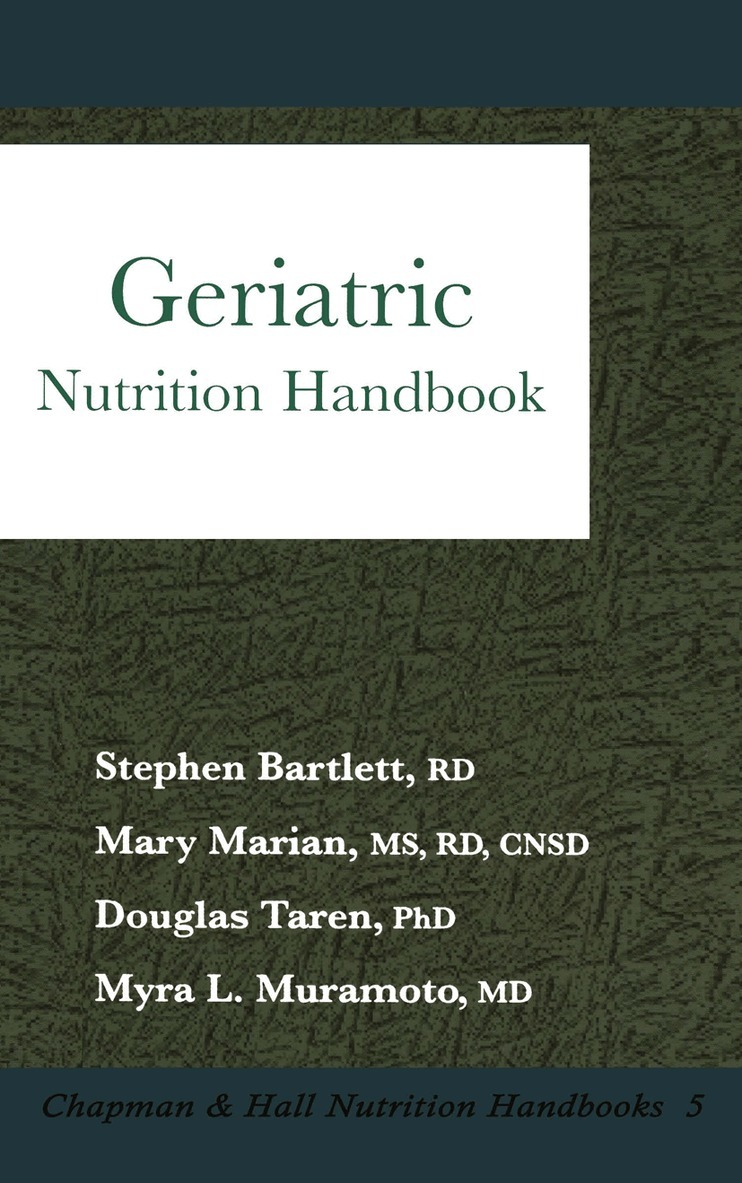
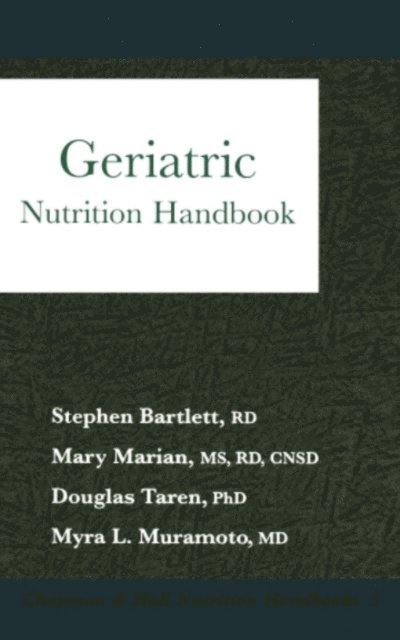
The older population, defined as those 65 years and older, has been steadily increasing as a percentage of the total population since 1900. Currently, it constitutes 13% of the population. The United States Bureau of the Census predicts that the elderly will represent 20% of the U.S. population by 2030. The older population itself is getting older, with greatest percentage increases in the subgroup of elderly over 85 years of age. This segment of the elderly is now 28 times greater in number than in 1900. The aging process is associated with unique medical problems-including declining functional capacities and pbysiological reserves-that have spawned specialization in geriatric medicine. While healthy, free-living elderly appear not much more at nutritional risk than the rest of the population, the elderly who suffer from illness or other stress have a much higher incidence of nutritional prob lems than the population as a whole. Elderly are also more heterogeneous than the general population, resulting in a greater variation in nutritional requirements which requires a better understanding of how nutrition and health interact. This brings nutritional assess ment and care to the forefront of geriatric medical practice.
Inbunden, Engelska, 2017
2 797 kr
Skickas inom 10-15 vardagar
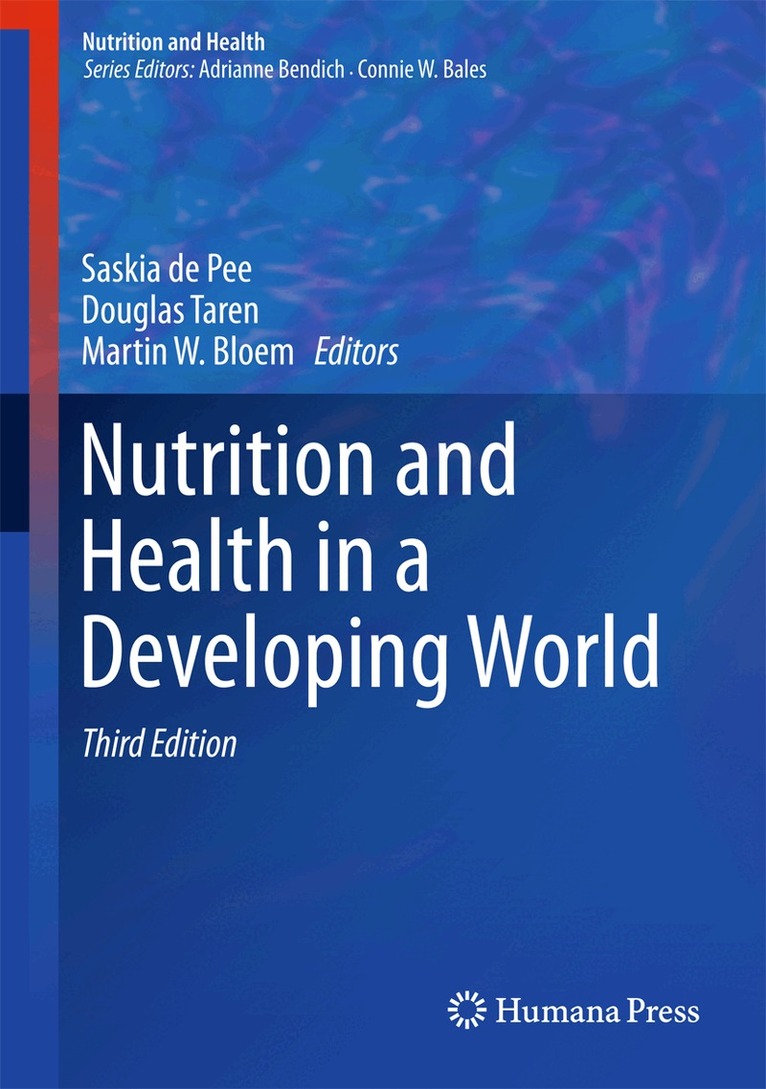
This third edition reviews the epidemiology, policies, programs and outcome indicators that are used to determine improvements in nutrition and health that lead to development. This greatly expanded third edition provides policy makers, nutritionists, students, scientists, and professionals with the most recent and up-to-date knowledge regarding major health and nutritional problems in developing countries. Policies and programs that address the social and economic determinants of nutrition and health are now gaining in importance as methods to improve the status of the most vulnerable people in the world. This volume provides the most current research and strategies so that policy makers, program managers, researchers and students have knowledge and resources that they can use to advance methods for improving the public’s health and the development of nations. The third edition of Nutrition and Health in Developing Countries takes on a new context where the word “developing” is now a verb and not an adjective.
E-bok
Engelska, 20172 508 kr
Läs direkt efter köp
This third edition reviews the epidemiology, policies, programs and outcome indicators that are used to determine improvements in nutrition and health that lead to development. This greatly expanded third edition provides policy makers, nutritionists, students, scientists, and professionals with the most recent and up-to-date knowledge regarding major health and nutritional problems in developing countries. Policies and programs that address the social and economic determinants of nutrition and health are now gaining in importance as methods to improve the status of the most vulnerable people in the world. This volume provides the most current research and strategies so that policy makers, program managers, researchers and students have knowledge and resources that they can use to advance methods for improving the public’s health and the development of nations. The third edition of Nutrition and Health in Developing Countries takes on a new context where the word “developing” is now a verb and not an adjective.
Häftad, Engelska, 2018
2 016 kr
Skickas inom 10-15 vardagar
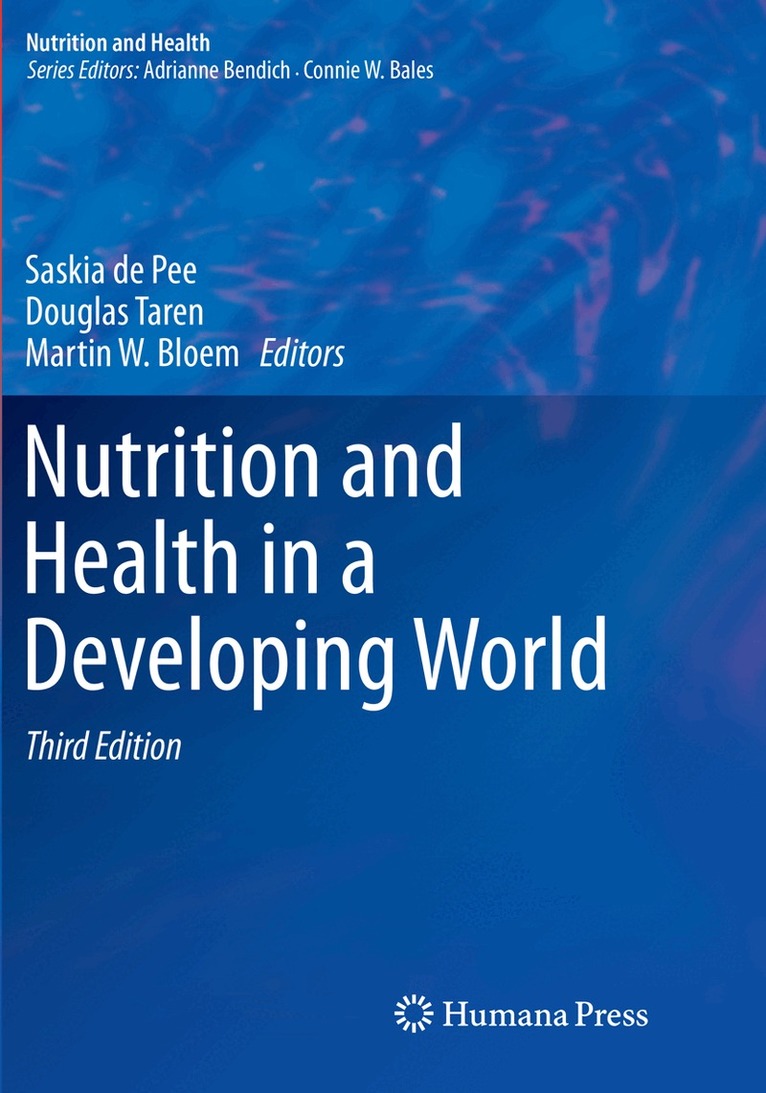
This third edition reviews the epidemiology, policies, programs and outcome indicators that are used to determine improvements in nutrition and health that lead to development. This greatly expanded third edition provides policy makers, nutritionists, students, scientists, and professionals with the most recent and up-to-date knowledge regarding major health and nutritional problems in developing countries. Policies and programs that address the social and economic determinants of nutrition and health are now gaining in importance as methods to improve the status of the most vulnerable people in the world. This volume provides the most current research and strategies so that policy makers, program managers, researchers and students have knowledge and resources that they can use to advance methods for improving the public’s health and the development of nations. The third edition of Nutrition and Health in Developing Countries takes on a new context where the word “developing” is now a verb and not an adjective.
E-bok
PDF, Engelska, 20121 459 kr
Läs direkt efter köp
The older population, defined as those 65 years and older, has been steadily increasing as a percentage of the total population since 1900. Currently, it constitutes 13% of the population. The United States Bureau of the Census predicts that the elderly will represent 20% of the U.S. population by 2030. The older population itself is getting older, with greatest percentage increases in the subgroup of elderly over 85 years of age. This segment of the elderly is now 28 times greater in number than in 1900. The aging process is associated with unique medical problems-including declining functional capacities and pbysiological reserves-that have spawned specialization in geriatric medicine. While healthy, free-living elderly appear not much more at nutritional risk than the rest of the population, the elderly who suffer from illness or other stress have a much higher incidence of nutritional prob lems than the population as a whole. Elderly are also more heterogeneous than the general population, resulting in a greater variation in nutritional requirements which requires a better understanding of how nutrition and health interact. This brings nutritional assess ment and care to the forefront of geriatric medical practice.