Doychin N. Angelov – författare
Visar alla böcker från författaren Doychin N. Angelov. Handla med fri frakt och snabb leverans.
8 produkter
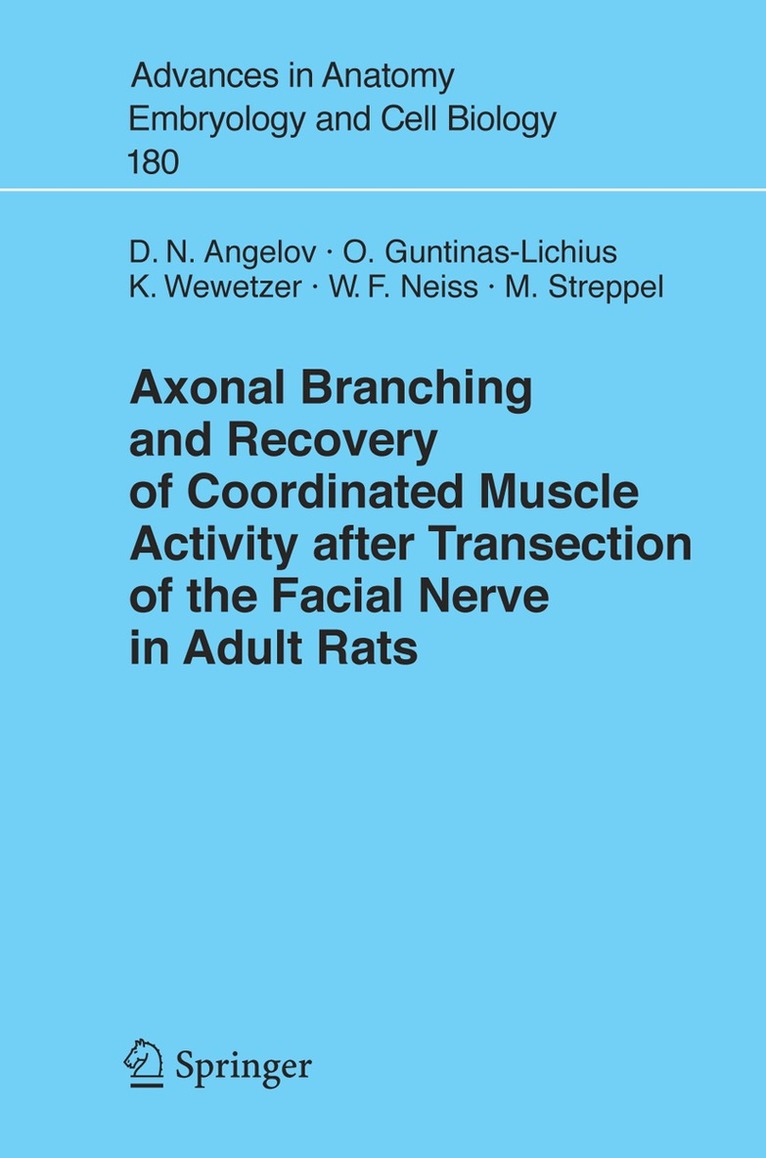
Axonal Branching and Recovery of Coordinated Muscle Activity after Transsection of the Facial Nerve in Adult Rats
Av Doychin N. Angelov, Orlando Guntinas-Lichius m. fl.
Häftad, 2005
1130 kr
Lägg i varukorg
Facial nerve surgery inevitably leads to partial pareses, abnormally associated movements and pathologically altered reflexes. The reason for this "post-paralytic syndrome" is the misdirected reinnervation of targets, which consists of two major components. First, due to malfunctioning axonal …
Axonal Branching and Recovery of Coordinated Muscle Activity after Transsection of the Facial Nerve in Adult Rats
Av Michael Streppel, Wolfram Neiss m. fl.
E-bok, 2005
1459 kr
Lägg i varukorg
Facial nerve surgery inevitably leads to partial pareses, abnormally associated movements and pathologically altered reflexes. The reason for this "post-paralytic syndrome" is the misdirected reinnervation of targets, which consists of two major components. First, due to malfunctioning axonal …
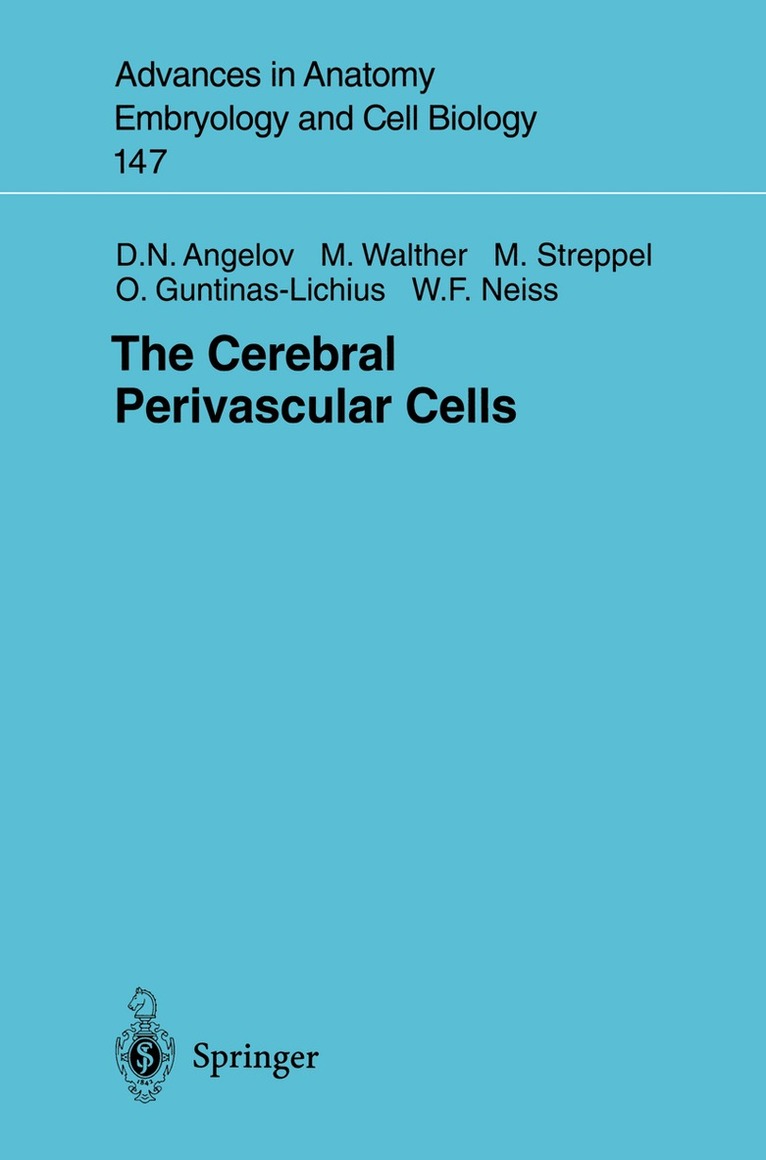
Cerebral Perivascular Cells
Av Doychin N. Angelov, Michael Walther m. fl.
Häftad, 1998
1098 kr
Lägg i varukorg
References ...77 Subject Index...89 XI 1 Introduction 1.1 Antigen Presentation and Antigen Presenting Cells A key issue in the pathogenesis of any chronic degenerative (auto )immune disease of the central nervous system (CNS) is how pathologically altered autologous neuronal proteins can trigger a …
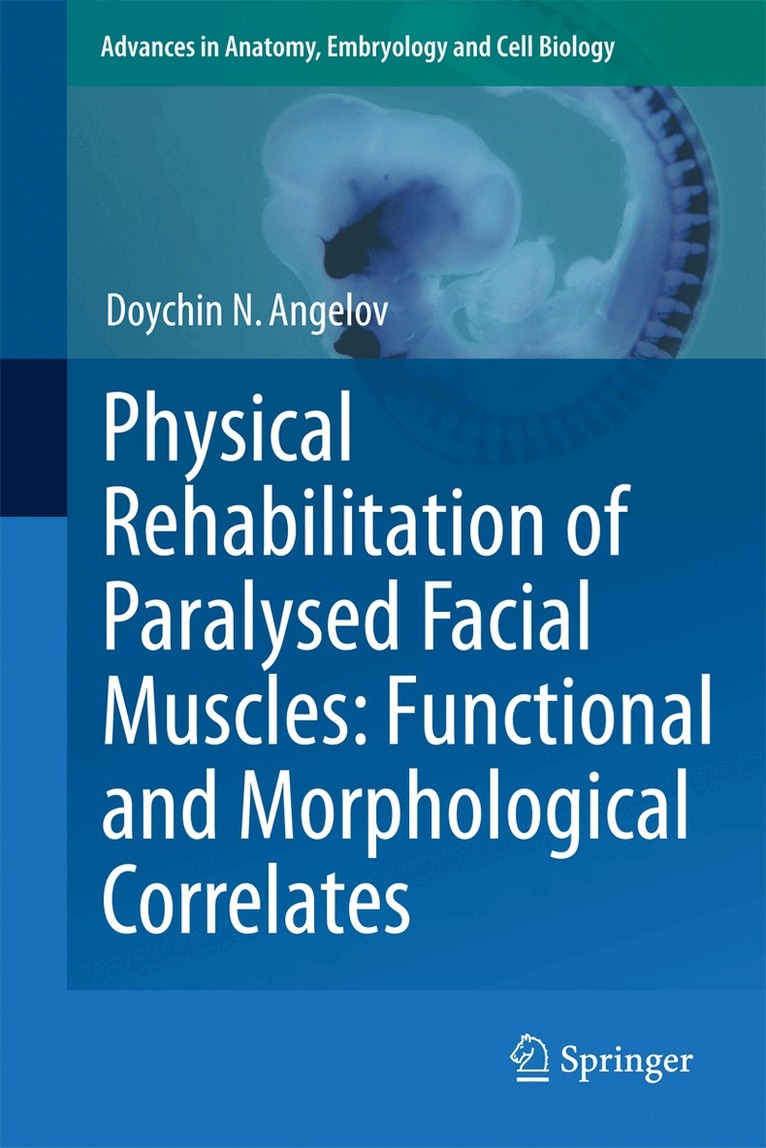
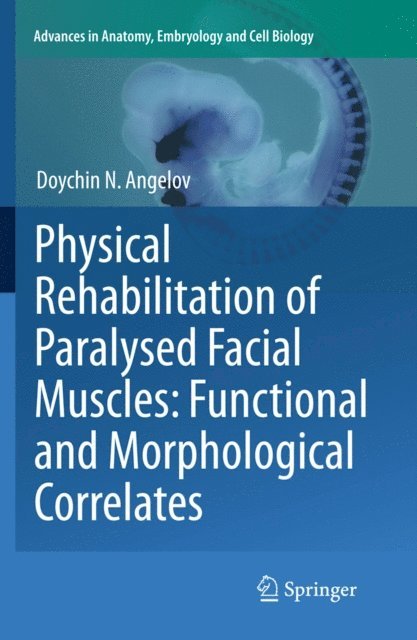
Physical Rehabilitation of Paralysed Facial Muscles: Functional and Morphological Correlates
Häftad, 2011
1752 kr
Lägg i varukorg
Using a combined morpho-functional approach the author recently found that polyinnervation of the neuro-muscular juction (NMJ) is the critical factor for recovery of function after transection and suture of the facial nerve. Since polyinnervation is activity-dependent and can be manipulated, he …
Physical Rehabilitation of Paralysed Facial Muscles: Functional and Morphological Correlates
E-bok, 2011
2224 kr
Lägg i varukorg
Using a combined morpho-functional approach the author recently found that polyinnervation of the neuro-muscular juction (NMJ) is the critical factor for recovery of function after transection and suture of the facial nerve. Since polyinnervation is activity-dependent and can be manipulated, he …
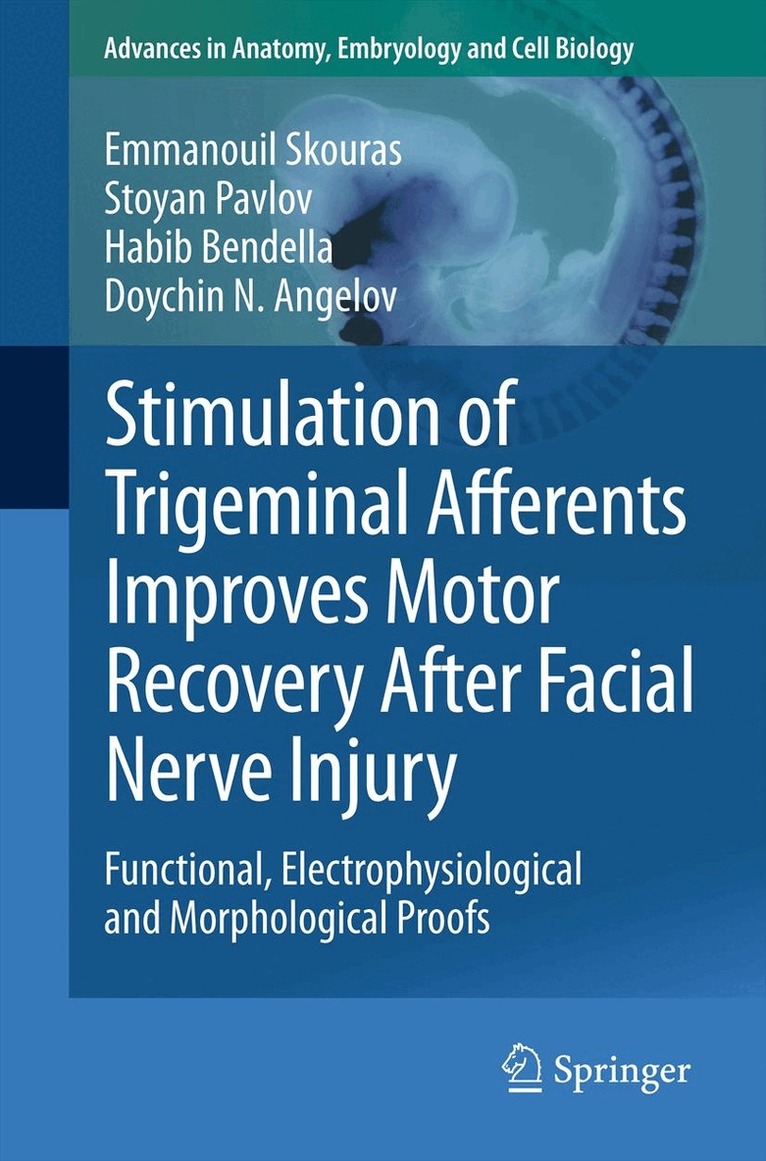
Stimulation of Trigeminal Afferents Improves Motor Recovery After Facial Nerve Injury
Functional, Electrophysiological and Morphological Proofs
Av Emmanouil Skouras, Stoyan Pavlov m. fl.
Häftad, 2012
1130 kr
Lägg i varukorg
Recovery of mimic function after facial nerve transection is poor: the successful regrowth of axotomized motoneurons to their targets is compromised by (i) poor axonal navigation and excessive collateral branching, (ii) abnormal exchange of nerve impulses between adjacent regrowing axons and (iii) …
Stimulation of Trigeminal Afferents Improves Motor Recovery After Facial Nerve Injury
Functional, Electrophysiological and Morphological Proofs
Av Doychin N. Angelov, Habib Bendella m. fl.
E-bok, 2012
1455 kr
Lägg i varukorg
Recovery of mimic function after facial nerve transection is poor: the successful regrowth of axotomized motoneurons to their targets is compromised by (i) poor axonal navigation and excessive collateral branching, (ii) abnormal exchange of nerve impulses between adjacent regrowing axons and (iii) …
Cerebral Perivascular Cells
Av Wolfram F. Neiss, Orlando Guntinas-Lichius m. fl.
E-bok, 2013
1427 kr
Lägg i varukorg