D.R. Reddy – författare
Visar alla böcker från författaren D.R. Reddy. Handla med fri frakt och snabb leverans.
5 produkter
5 produkter
E-bok
PDF, Engelska, 1975672 kr
Läs direkt efter köp
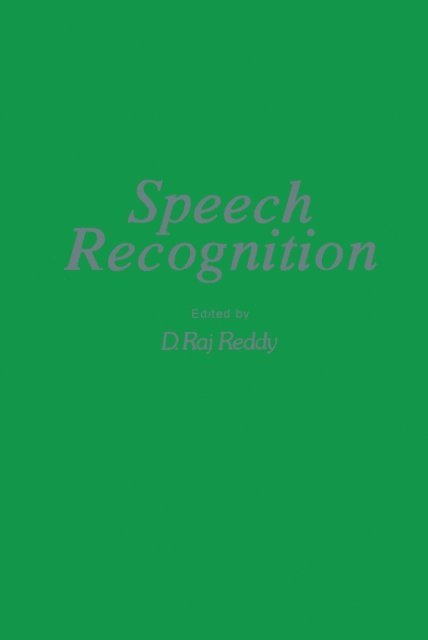
Speech Recognition: Invited Papers Presented at the 1974 IEEE Symposium discusses several topics, including speech recognition systems, systems organization, acoustic-phonetics, parameter extraction, as well as syntax and semantics. Organized into five parts encompassing 20 chapters, this compilation of papers starts with an overview of the basic structure of speech understanding systems. This text then discusses the practical applications of automatic speech recognition in several areas, including quality control inspection, automated material handling, direct communication with computers, and inventory taking and control. Other chapters consider the operational methods for applying higher level of information to decode the acoustic ambiguities encountered when recognizing larger vocabularies and continuous speech. The final chapter deals with stochastic modeling, which is a valuable and versatile procedure for automatic speech analysis. This book is a valuable resource for scientists and researchers in the fields of artificial intelligence, acoustic-phonetics, linguistics, and computer architecture.
Häftad, Engelska, 2020
749 kr
Skickas inom 10-15 vardagar
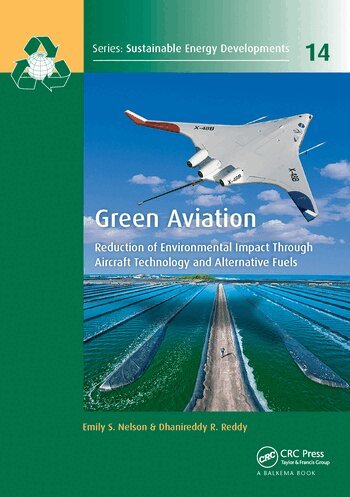
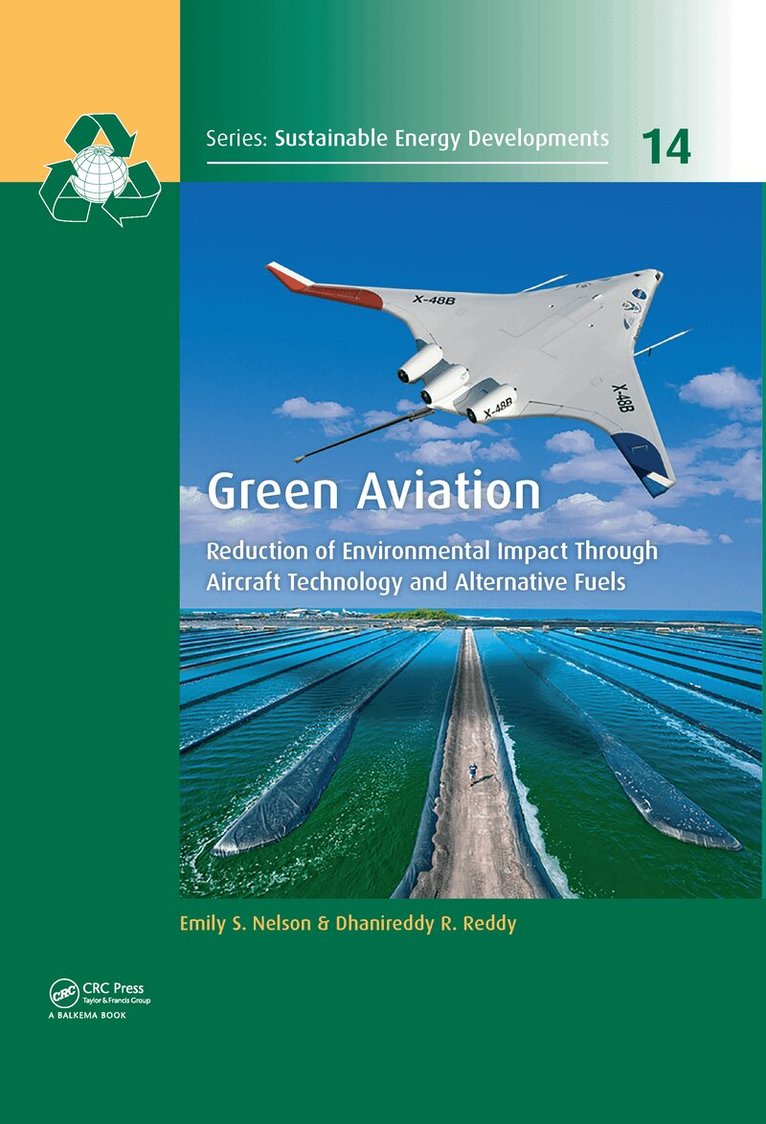
Aircraft emissions currently account for ~3.5% of all greenhouse gas emissions. The number of passenger miles has increased by 5% annually despite 9/11, two wars and gloomy economic conditions. Since aircraft have no viable alternative to the internal combustion engine, improvements in aircraft efficiency and alternative fuel development become essential. This book comprehensively covers the relevant issues in green aviation. Environmental impacts, technology advances, public policy and economics are intricately linked to the pace of development that will be realized in the coming decades. Experts from NASA, industry and academia review current technology development in green aviation that will carry the industry through 2025 and beyond. This includes increased efficiency through better propulsion systems, reduced drag airframes, advanced materials and operational changes. Clean combustion and emission control of noise, exhaust gases and particulates are also addressed through combustor design and the use of alternative fuels. Economic imperatives from aircraft lifetime and maintenance logistics dictate the drive for "drop-in" fuels, blending jet-grade and biofuel. New certification standards for alternative fuels are outlined. Life Cycle Assessments are used to evaluate worldwide biofuel approaches, highlighting that there is no single rational approach for sustainable buildup. In fact, unless local conditions are considered, the use of biofuels can create a net increase in environmental impact as a result of biofuel manufacturing processes. Governmental experts evaluate current and future regulations and their impact on green aviation. Sustainable approaches to biofuel development are discussed for locations around the globe, including the US, EU, Brazil, China and India.
Inbunden, Engelska, 2017
3 299 kr
Skickas inom 10-15 vardagar
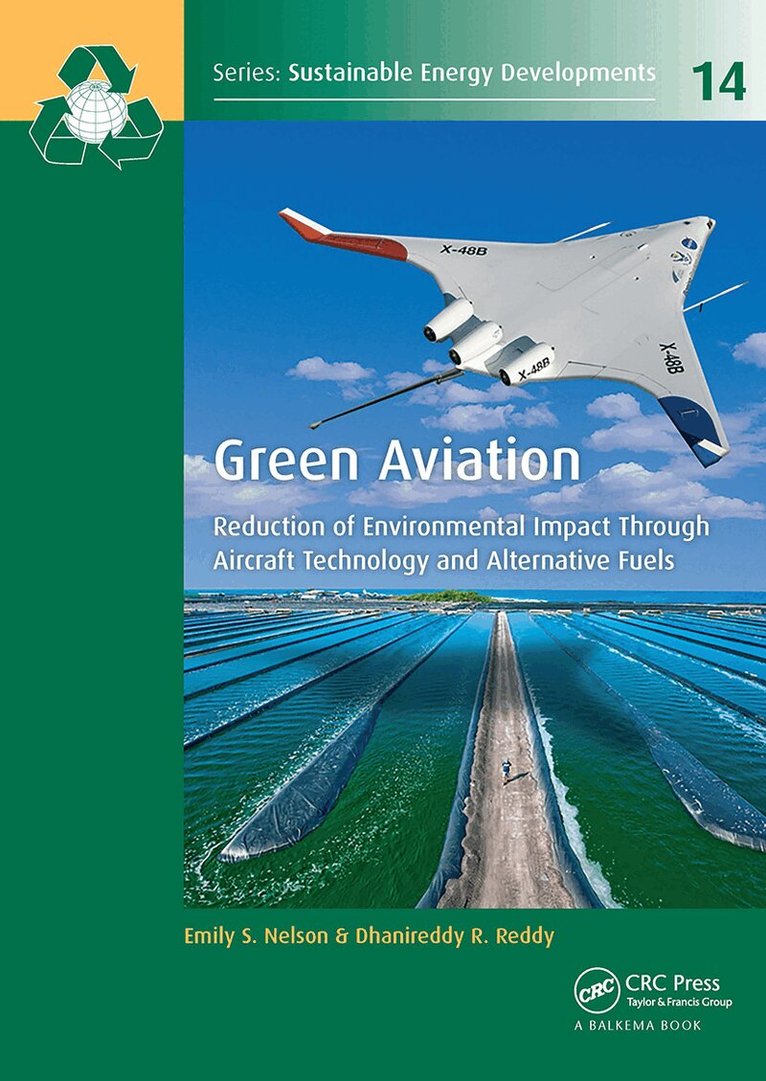
Aircraft emissions currently account for ~3.5% of all greenhouse gas emissions. The number of passenger miles has increased by 5% annually despite 9/11, two wars and gloomy economic conditions. Since aircraft have no viable alternative to the internal combustion engine, improvements in aircraft efficiency and alternative fuel development become essential. This book comprehensively covers the relevant issues in green aviation. Environmental impacts, technology advances, public policy and economics are intricately linked to the pace of development that will be realized in the coming decades. Experts from NASA, industry and academia review current technology development in green aviation that will carry the industry through 2025 and beyond. This includes increased efficiency through better propulsion systems, reduced drag airframes, advanced materials and operational changes. Clean combustion and emission control of noise, exhaust gases and particulates are also addressed through combustor design and the use of alternative fuels. Economic imperatives from aircraft lifetime and maintenance logistics dictate the drive for "drop-in" fuels, blending jet-grade and biofuel. New certification standards for alternative fuels are outlined. Life Cycle Assessments are used to evaluate worldwide biofuel approaches, highlighting that there is no single rational approach for sustainable buildup. In fact, unless local conditions are considered, the use of biofuels can create a net increase in environmental impact as a result of biofuel manufacturing processes. Governmental experts evaluate current and future regulations and their impact on green aviation. Sustainable approaches to biofuel development are discussed for locations around the globe, including the US, EU, Brazil, China and India.
E-bok
Engelska, 2018860 kr
Läs direkt efter köp
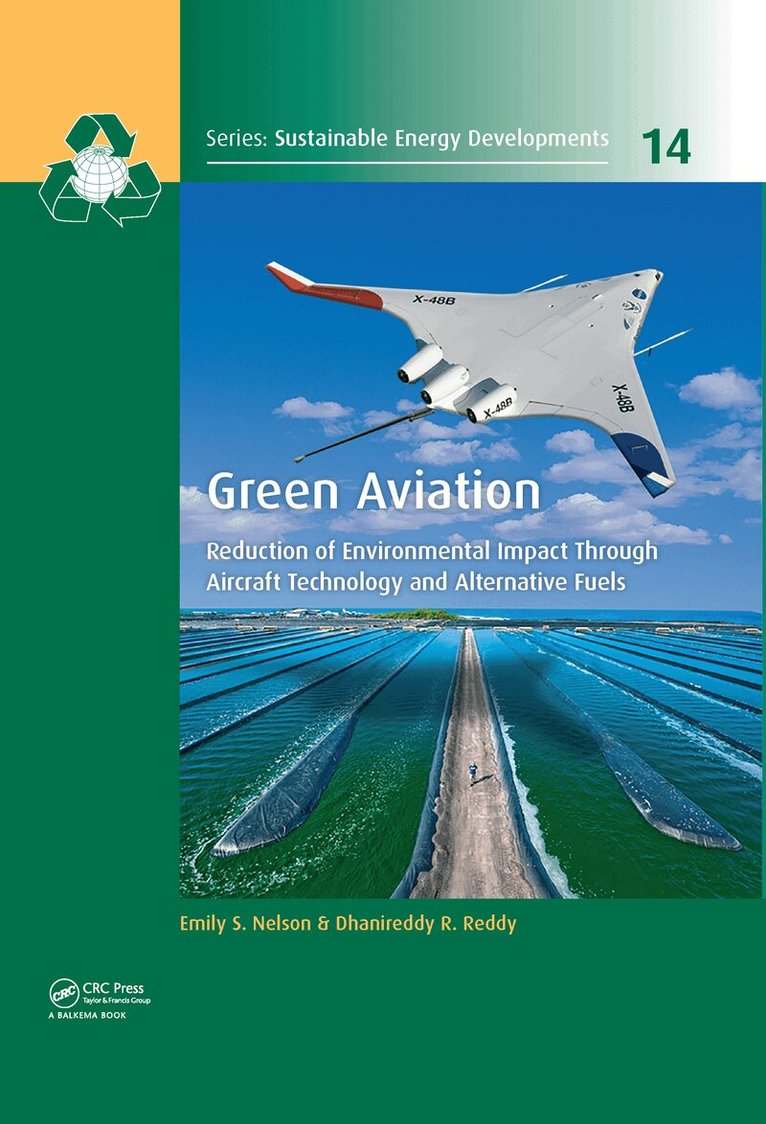
Aircraft emissions currently account for ~3.5% of all greenhouse gas emissions. The number of passenger miles has increased by 5% annually despite 9/11, two wars and gloomy economic conditions. Since aircraft have no viable alternative to the internal combustion engine, improvements in aircraft efficiency and alternative fuel development become essential. This book comprehensively covers the relevant issues in green aviation. Environmental impacts, technology advances, public policy and economics are intricately linked to the pace of development that will be realized in the coming decades. Experts from NASA, industry and academia review current technology development in green aviation that will carry the industry through 2025 and beyond. This includes increased efficiency through better propulsion systems, reduced drag airframes, advanced materials and operational changes. Clean combustion and emission control of noise, exhaust gases and particulates are also addressed through combustor design and the use of alternative fuels. Economic imperatives from aircraft lifetime and maintenance logistics dictate the drive for "drop-in" fuels, blending jet-grade and biofuel. New certification standards for alternative fuels are outlined. Life Cycle Assessments are used to evaluate worldwide biofuel approaches, highlighting that there is no single rational approach for sustainable buildup. In fact, unless local conditions are considered, the use of biofuels can create a net increase in environmental impact as a result of biofuel manufacturing processes. Governmental experts evaluate current and future regulations and their impact on green aviation. Sustainable approaches to biofuel development are discussed for locations around the globe, including the US, EU, Brazil, China and India.
E-bok
PDF, Engelska, 2018860 kr
Läs direkt efter köp
Aircraft emissions currently account for ~3.5% of all greenhouse gas emissions. The number of passenger miles has increased by 5% annually despite 9/11, two wars and gloomy economic conditions. Since aircraft have no viable alternative to the internal combustion engine, improvements in aircraft efficiency and alternative fuel development become essential. This book comprehensively covers the relevant issues in green aviation. Environmental impacts, technology advances, public policy and economics are intricately linked to the pace of development that will be realized in the coming decades. Experts from NASA, industry and academia review current technology development in green aviation that will carry the industry through 2025 and beyond. This includes increased efficiency through better propulsion systems, reduced drag airframes, advanced materials and operational changes. Clean combustion and emission control of noise, exhaust gases and particulates are also addressed through combustor design and the use of alternative fuels. Economic imperatives from aircraft lifetime and maintenance logistics dictate the drive for "drop-in" fuels, blending jet-grade and biofuel. New certification standards for alternative fuels are outlined. Life Cycle Assessments are used to evaluate worldwide biofuel approaches, highlighting that there is no single rational approach for sustainable buildup. In fact, unless local conditions are considered, the use of biofuels can create a net increase in environmental impact as a result of biofuel manufacturing processes. Governmental experts evaluate current and future regulations and their impact on green aviation. Sustainable approaches to biofuel development are discussed for locations around the globe, including the US, EU, Brazil, China and India.