Dragica Potocnjak – författare
Visar alla böcker från författaren . Handla med fri frakt och snabb leverans.
3 produkter
3 produkter
E-bok
Engelska, 2003489 kr
Läs direkt efter köp
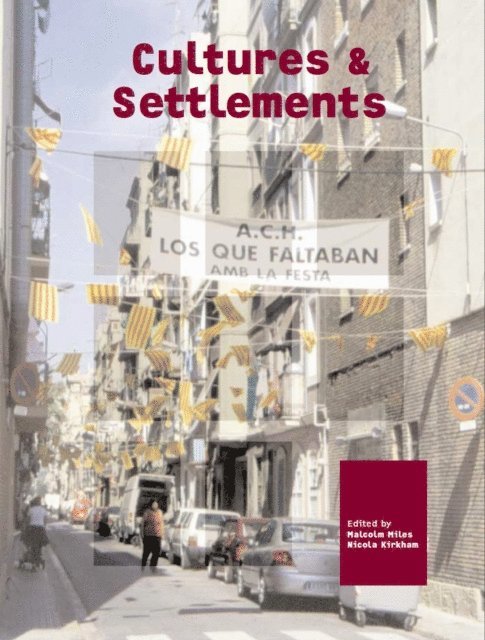
This volume considers the making of settlement as a process of identity formation. Taking the position that a culture signifies a way of life, it asks how cultural frameworks inform patterns of settlement, and how the built environment, as process and design, conditions cultural production and reception. The disciplinary fields this intersects include architecture, urban design, sociology, cultural and human geography, cultural studies and critical theory. Contributors work in a range of such fields, in Europe and Latin America.
E-bok
Engelska, 2003427 kr
Läs direkt efter köp
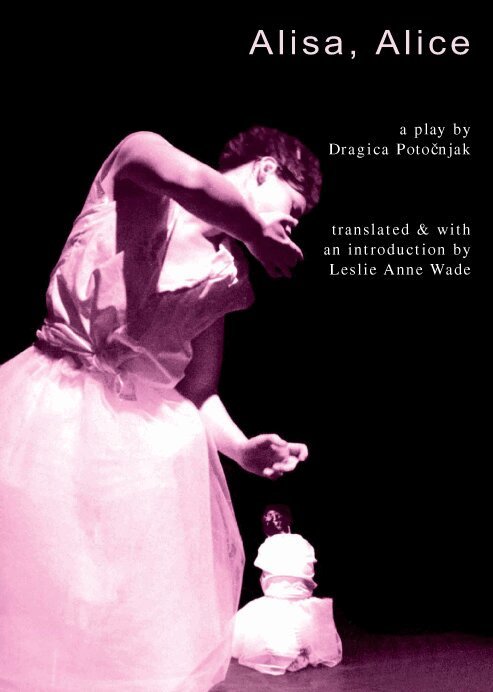
Alisa, Alice'' is a humanely cruel and deeply moving drama, full of passion and desire. The clash of two cultures – two worlds – is described with psychological accuracy and depth. Alisa, a young Muslim refugee scarred by the Balkan war finds shelter with Magda, a representative of the common so-called civilised but self-destructive and self-loving western world. Magda, through the sadism arising from her despair and loss of purpose, her psychological confusion, causes the suicide of Alisa. Their relationship permeated as much with love as with hatred, is decanted through the dictatorship of language into a miraculous, irrational and mysterious atmosphere. In places, the style of the play is reminiscent of Pinter’s comedy of menace. The realistically based dramatic events are firmly grounded in a recognisable and actual contemporaneity. Poetic ambiguity facilitates universal interpretation, and here and there extends to the magical and surreal.
Häftad, Engelska, 2003
330 kr
Tillfälligt slut
Alisa, Alice' is a humanely cruel and deeply moving drama, full of passion and desire. The clash of two cultures – two worlds – is described with psychological accuracy and depth. Alisa, a young Muslim refugee scarred by the Balkan war finds shelter with Magda, a representative of the common so-called civilised but self-destructive and self-loving western world. Magda, through the sadism arising from her despair and loss of purpose, her psychological confusion, causes the suicide of Alisa. Their relationship permeated as much with love as with hatred, is decanted through the dictatorship of language into a miraculous, irrational and mysterious atmosphere. In places, the style of the play is reminiscent of Pinter’s comedy of menace. The realistically based dramatic events are firmly grounded in a recognisable and actual contemporaneity. Poetic ambiguity facilitates universal interpretation, and here and there extends to the magical and surreal.