Drucilla J. Roberts – författare
Visar alla böcker från författaren Drucilla J. Roberts. Handla med fri frakt och snabb leverans.
2 produkter
2 produkter
2 622 kr
Tillfälligt slut
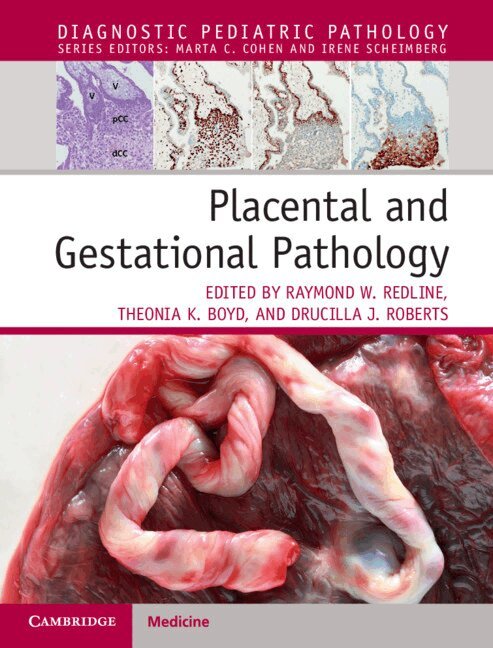
This concise and comprehensive resource is vital for the pathologist faced with providing accurate, timely, and clinically useful diagnoses for placentas, products of conception, and gravid hysterectomies. Combining the pathologic, research, and clinical expertise of a diverse group of editors and authors from centers of excellence for placental pathology, this book enables easy application of the latest Amsterdam international consensus classification criteria, with cross-references to previous terminology and a pathophysiology-based classification system. It provides complete descriptions and illustrations of diagnostic gross, microscopic, and immunohistochemical findings together with a thorough discussion of potential pitfalls and differential diagnosis. Current theories of the genetic and physiologic basis for disease processes, culminating in placental lesions are discussed. The book features high-quality images and standardized measurement tables to assist real-time diagnoses and provides access to an online version on Cambridge Core, which can be accessed via the code printed on the inside of the cover.
2 559 kr
Skickas inom 7-10 vardagar
Free digital access available with every print purchase. See inside the book for more details.The placenta is an organ often neglected by surgical pathologists and clinicians alike. Placental diagnoses provide risk assessment for infant prognosis, recurrent risk for future pregnancies, and explanatory findings. There is widespread interest in placental diagnosis for the antenatal determinants of adult disease, inborn errors of metabolism, specific infections, malignancies, and assessing placental function in real time with the ultimate goal of affecting treatment. Due to the difficulties inherent in studying human gestation and gestational pathologies, much of what is known about the relevance of placental pathology is biased toward personal experience and retrospective studies. However, this book presents evidence-based information to the reader. The authors emphasize the need for an educated and directed sampling of the placenta through gross examination which will result in a better and more useful final diagnosis.