197 kr
Skickas inom 5-8 vardagar
197 kr
Skickas inom 5-8 vardagar
150 kr
Skickas inom 5-8 vardagar
159 kr
Skickas
89 kr
Läs direkt efter köp
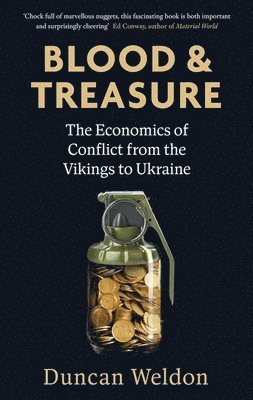
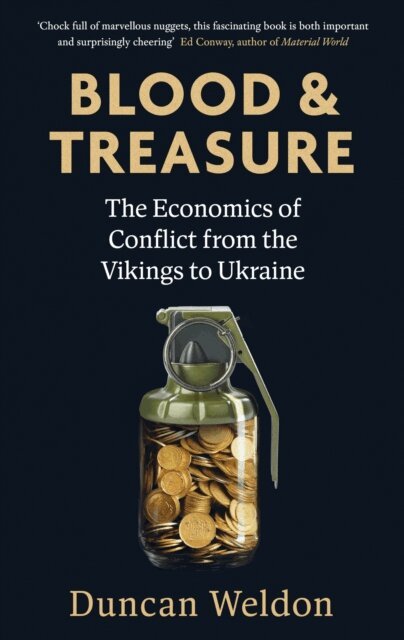
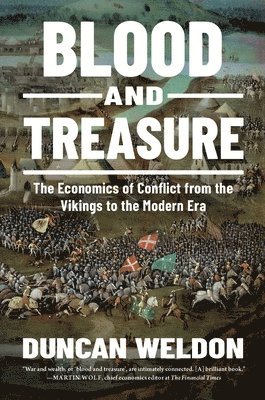
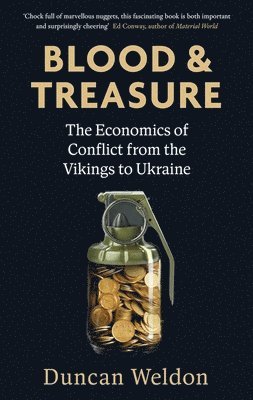
Blood and Treasure is the story of the economics of conflict from the Viking Age to the war in Ukraine.
''Absolutely fascinating and totally absorbing'' JAMES HOLLAND''A brilliant book'' MARTIN WOLF, FINANCIAL TIMES CHIEF ECONOMICS EDITOR''Chock full of marvellous nuggets, this fascinating book is both important and surprisingly cheering'' ED CONWAY''A delightfully quirky approach to military history'' SPECTATOR
Wars are expensive, both in human terms and monetary ones. But while warfare might be costly it has also, at times, been an important driver of economic change and progress. Over the long span of history nothing has shaped human institutions - and thus the process of economic development - as much as war and violence.
Blood and Treasure looks at the history and economics of warfare from the Viking Age to the war in Ukraine, examining how incentives and institutions have changed over time. Along the way it asks whether Genghis Khan should be regarded as the father of globalisation, explains how New World gold and silver kept Spain poor, asks if handing out medals hurt the Luftwaffe in the Second World War and assesses if economic theories helped to create a tragedy in Vietnam.
50 kr
Läs direkt efter köp
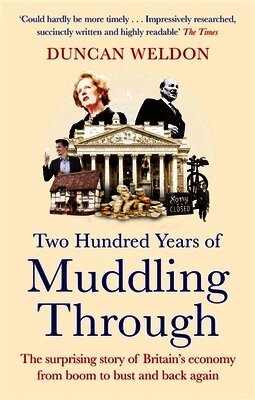
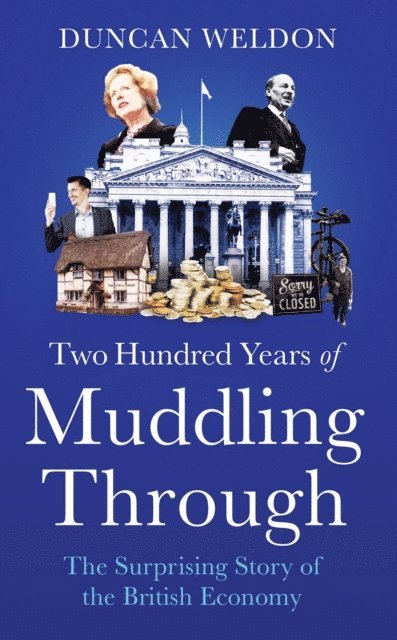
''Here''s the history that really matters'' FINANCIAL TIMES''Pitch perfect, fast-moving, brilliantly well-judged'' ADAM TOOZE''A terrific achievement, covering clearly but with subtlety everything from the spinning jenny to Covid-19''ADITYA CHAKRABORTTY, GUARDIAN''Outstanding! Written in a chatty way but contains a remarkable depth and intelligence''MATTHEW SYEDThe UK is, at the same time, both one of the world''s most successful economies and one of Europe''s laggards. The country contains some of Western Europe''s richest areas such as the south east of England, but also some of its poorest such as the north east or Wales. Looking into the past helps understand why.The debates about the balance between economic openness and sovereignty that re-emerged after Brexit would have been familiar to Peel and Cobden in the 1840s. The size of the government''s deficit has dominated politics since 2010 but fretting about the scale of the national debt was almost a national pastime during Victoria''s reign. Supposedly modern concerns about the impacts of new technology on jobs and inequality date back to at least Captain Swing and Ned Ludd. As the economy emerges from the Covid-19 recession and sets out on a new post-Brexit future an understanding of the past is vital to seeing how the future might play out.Two Hundred Years of Muddling Through tells the story of how Britain''s economy and politics have interacted with each other from the time of the Industrial Revolution right up to the pandemic of 2020.
364 kr
Skickas inom 3-6 vardagar
298 kr
Tillfälligt slut
197 kr
Skickas inom 5-8 vardagar
150 kr
Skickas inom 5-8 vardagar
159 kr
Skickas
89 kr
Läs direkt efter köp
Blood and Treasure is the story of the economics of conflict from the Viking Age to the war in Ukraine.
''Absolutely fascinating and totally absorbing'' JAMES HOLLAND''A brilliant book'' MARTIN WOLF, FINANCIAL TIMES CHIEF ECONOMICS EDITOR''Chock full of marvellous nuggets, this fascinating book is both important and surprisingly cheering'' ED CONWAY''A delightfully quirky approach to military history'' SPECTATOR
Wars are expensive, both in human terms and monetary ones. But while warfare might be costly it has also, at times, been an important driver of economic change and progress. Over the long span of history nothing has shaped human institutions - and thus the process of economic development - as much as war and violence.
Blood and Treasure looks at the history and economics of warfare from the Viking Age to the war in Ukraine, examining how incentives and institutions have changed over time. Along the way it asks whether Genghis Khan should be regarded as the father of globalisation, explains how New World gold and silver kept Spain poor, asks if handing out medals hurt the Luftwaffe in the Second World War and assesses if economic theories helped to create a tragedy in Vietnam.
50 kr
Läs direkt efter köp
''Here''s the history that really matters'' FINANCIAL TIMES''Pitch perfect, fast-moving, brilliantly well-judged'' ADAM TOOZE''A terrific achievement, covering clearly but with subtlety everything from the spinning jenny to Covid-19''ADITYA CHAKRABORTTY, GUARDIAN''Outstanding! Written in a chatty way but contains a remarkable depth and intelligence''MATTHEW SYEDThe UK is, at the same time, both one of the world''s most successful economies and one of Europe''s laggards. The country contains some of Western Europe''s richest areas such as the south east of England, but also some of its poorest such as the north east or Wales. Looking into the past helps understand why.The debates about the balance between economic openness and sovereignty that re-emerged after Brexit would have been familiar to Peel and Cobden in the 1840s. The size of the government''s deficit has dominated politics since 2010 but fretting about the scale of the national debt was almost a national pastime during Victoria''s reign. Supposedly modern concerns about the impacts of new technology on jobs and inequality date back to at least Captain Swing and Ned Ludd. As the economy emerges from the Covid-19 recession and sets out on a new post-Brexit future an understanding of the past is vital to seeing how the future might play out.Two Hundred Years of Muddling Through tells the story of how Britain''s economy and politics have interacted with each other from the time of the Industrial Revolution right up to the pandemic of 2020.
364 kr
Skickas inom 3-6 vardagar
298 kr
Tillfälligt slut