D.W. Harding - Böcker
Visar alla böcker från författaren D.W. Harding. Handla med fri frakt och snabb leverans.
4 produkter
4 produkter
2 162 kr
Skickas inom 10-15 vardagar
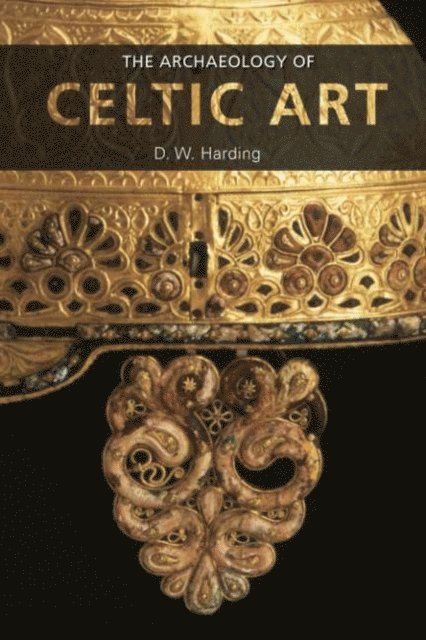
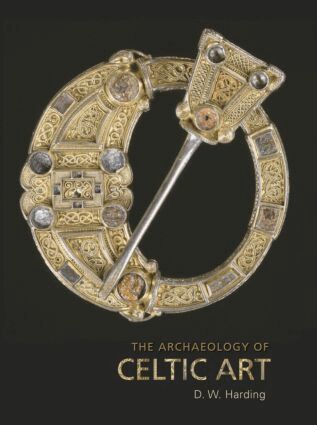
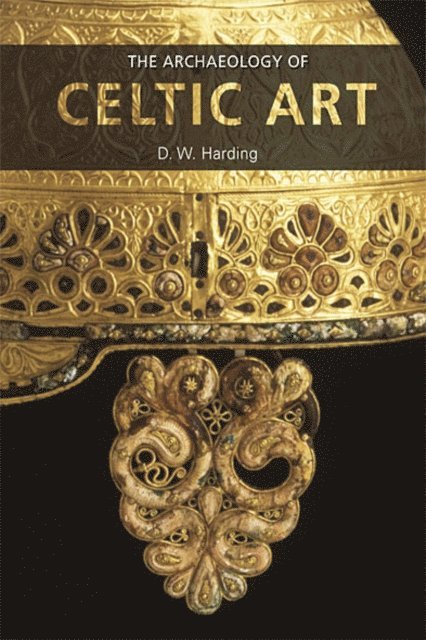
More wide ranging, both geographically and chronologically, than any previous study, this well-illustrated book offers a new definition of Celtic art. Tempering the much-adopted art-historical approach, D.W. Harding argues for a broader definition of Celtic art and views it within a much wider archaeological context. He re-asserts ancient Celtic identity after a decade of deconstruction in English-language archaeology.Harding argues that there were communities in Iron Age Europe that were identified historically as Celts, regarded themselves as Celtic, or who spoke Celtic languages, and that the art of these communities may reasonably be regarded as Celtic art. This study will be indispensable for those people wanting to take a fresh and innovative perspective on Celtic Art.
702 kr
Skickas inom 10-15 vardagar
More wide ranging, both geographically and chronologically, than any previous study, this well-illustrated book offers a new definition of Celtic art. Tempering the much-adopted art-historical approach, D.W. Harding argues for a broader definition of Celtic art and views it within a much wider archaeological context. He re-asserts ancient Celtic identity after a decade of deconstruction in English-language archaeology.Harding argues that there were communities in Iron Age Europe that were identified historically as Celts, regarded themselves as Celtic, or who spoke Celtic languages, and that the art of these communities may reasonably be regarded as Celtic art. This study will be indispensable for those people wanting to take a fresh and innovative perspective on Celtic Art.
2 232 kr
Skickas inom 10-15 vardagar
This book was written at a time when the older conventional diffusionist view of prehistory, largely associated with the work of V. Gordon Childe, was under rigorous scrutiny from British prehistorians, who still nevertheless regarded the ‘Arras’ culture of eastern Yorkshire and the ‘Belgic’ cemeteries of south-eastern Britain as the product of immigrants from continental Europe. Sympathetic to the idea of population mobility as one mechanism for cultural innovation, as widely recognized historically, it nevertheless attempted a critical re-appraisal of the southern British Iron Age in its continental context. Subsequent fashion in later prehistoric studies has favoured economic, social and cognitive approaches, and the cultural-historical framework has largely been superseded. Routine use of radiocarbon dating and other science-based applications, and new field data resulting from developer-led archaeology have revolutionized understanding of the British Iron Age, and once again raised issues of its relationship to continental Europe.
772 kr
Skickas inom 10-15 vardagar
This book was written at a time when the older conventional diffusionist view of prehistory, largely associated with the work of V. Gordon Childe, was under rigorous scrutiny from British prehistorians, who still nevertheless regarded the ‘Arras’ culture of eastern Yorkshire and the ‘Belgic’ cemeteries of south-eastern Britain as the product of immigrants from continental Europe. Sympathetic to the idea of population mobility as one mechanism for cultural innovation, as widely recognized historically, it nevertheless attempted a critical re-appraisal of the southern British Iron Age in its continental context. Subsequent fashion in later prehistoric studies has favoured economic, social and cognitive approaches, and the cultural-historical framework has largely been superseded. Routine use of radiocarbon dating and other science-based applications, and new field data resulting from developer-led archaeology have revolutionized understanding of the British Iron Age, and once again raised issues of its relationship to continental Europe.