Dwaine Plaza - Böcker
Visar alla böcker från författaren Dwaine Plaza. Handla med fri frakt och snabb leverans.
4 produkter
4 produkter
1 199 kr
Skickas inom 7-10 vardagar
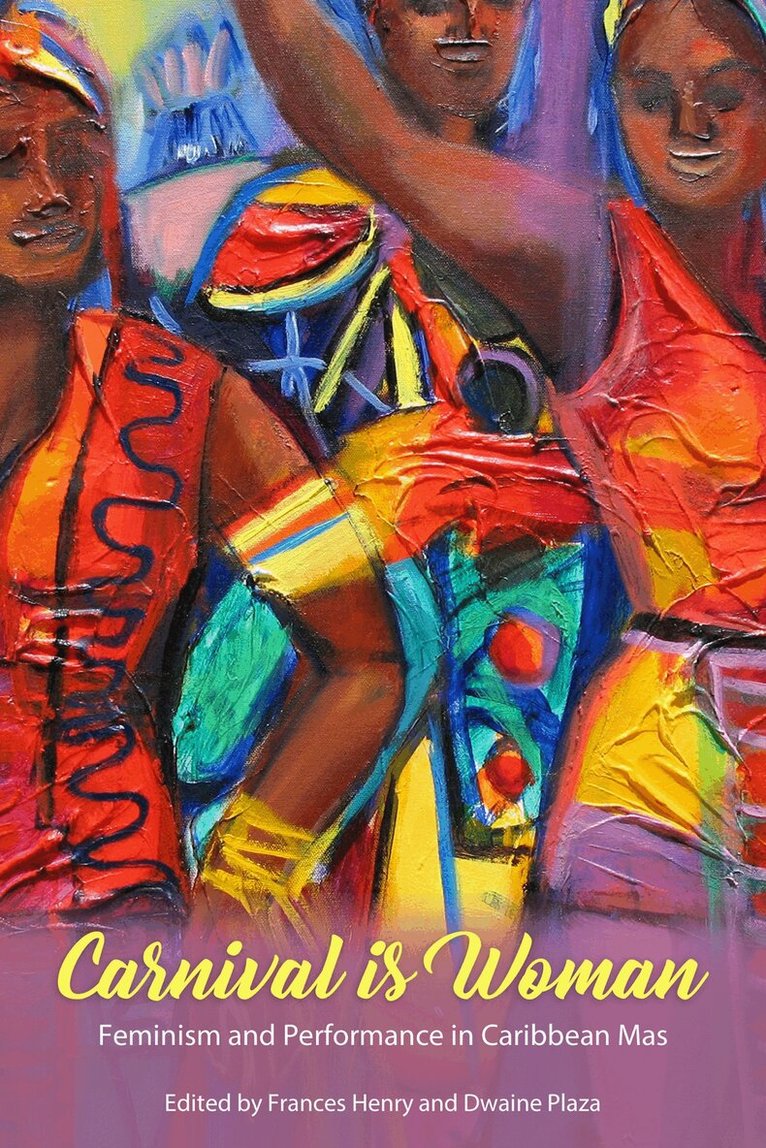
Contributions by Darrell Gerohn Baksh, Jan de Cosmo, Frances Henry, Jeff Henry, A. D. Jones, Samantha Noel, Dwaine Plaza, Philip W. Scher, and Asha St. BernardWomen are performing an ever-growing role in Caribbean Carnival. Through a feminist perspective, this volume examines the presence of women in contemporary Carnival by demonstrating not only their strength in numbers, but also the ways in which women participate in the event.While decried by traditionalists, the bikinis, beads, and feathers of "pretty mas" convey both a newly found empowerment as a gendered resistance to oppression from men. Although research on Carnivals is substantial, especially in the Americas, the Subject of women in Carnival as a topic of inquiry remains fairly new.These essays address anthropological and historical facets of women and their practices in the Trinidad Carnival, including an analysis of how women’s costuming and performance have changed over time. The modern costumes, which are well within the financial means of most mas players, demonstrate the new power of women who can now afford these outfits.In discussing the commodification and erotization of Carnival, the book emphasizes the unveiling of the female body and the hip-rolling sexual movements called winin or it. Through display of their bodies, contemporary women in Carnival express a form of female resistance. Intent on enjoying and expressing themselves, they seem invigorated by their place in the economy, as well as their sexuality, defying the moral controls imposed on them.Through an array of methods in qualitative research, including interviews, participant observation, and ethnography, this volume explains the new power of women in the evolution of Carnival mas in Trinidad amid the wider Caribbean diaspora.
373 kr
Skickas inom 7-10 vardagar
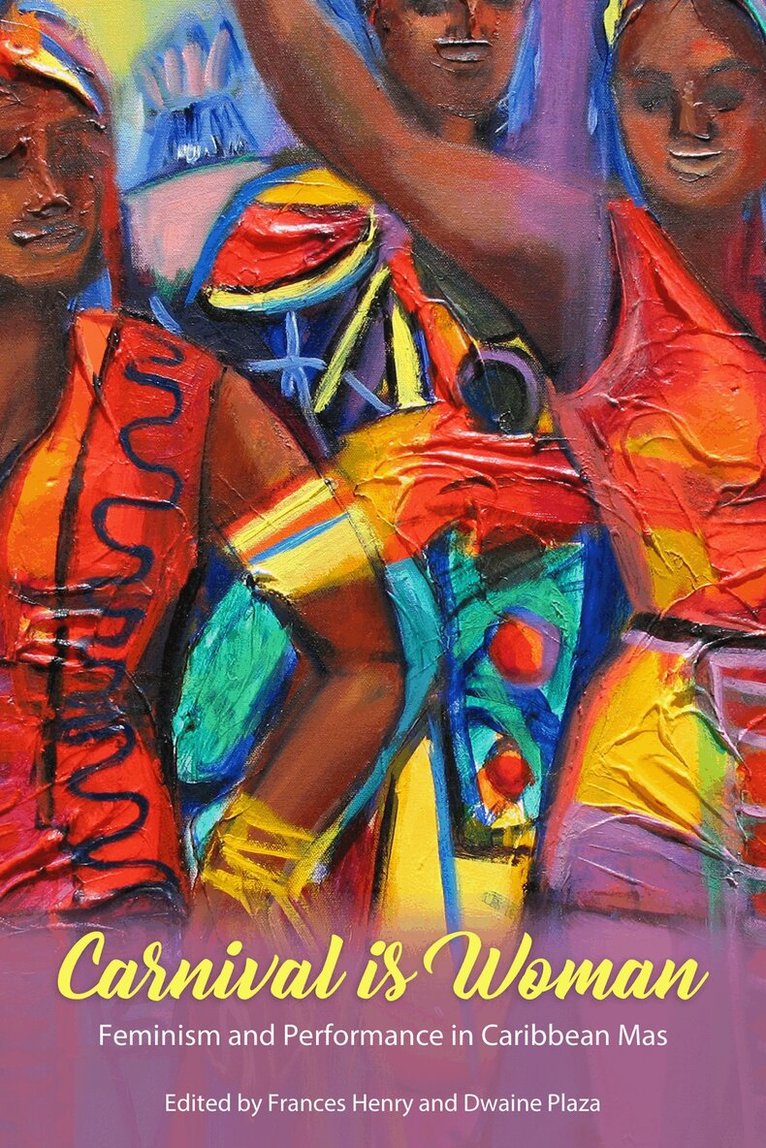
Contributions by Darrell Gerohn Baksh, Jan de Cosmo, Frances Henry, Jeff Henry, A. D. Jones, Samantha Noel, Dwaine Plaza, Philip W. Scher, and Asha St. Bernard.Women are performing an ever-growing role in Caribbean Carnival. Through a feminist perspective, this volume examines the presence of women in contemporary Carnival by demonstrating not only their strength in numbers, but also the ways in which women participate in the event.While decried by traditionalists, the bikinis, beads, and feathers of "pretty mas" convey both a newly found empowerment as a gendered resistance to oppression from men. Although research on Carnivals is substantial, especially in the Americas, the Subject of women in Carnival as a topic of inquiry remains fairly new.These essays address anthropological and historical facets of women and their practices in the Trinidad Carnival, including an analysis of how women’s costuming and performance have changed over time. The modern costumes, which are well within the financial means of most mas players, demonstrate the new power of women who can now afford these outfits.In discussing the commodification and erotization of Carnival, the book emphasizes the unveiling of the female body and the hip-rolling sexual movements called winin or it. Through display of their bodies, contemporary women in Carnival express a form of female resistance. Intent on enjoying and expressing themselves, they seem invigorated by their place in the economy, as well as their sexuality, defying the moral controls imposed on them.Through an array of methods in qualitative research, including interviews, participant observation, and ethnography, this volume explains the new power of women in the evolution of Carnival mas in Trinidad amid the wider Caribbean diaspora.
2 029 kr
Skickas inom 10-15 vardagar
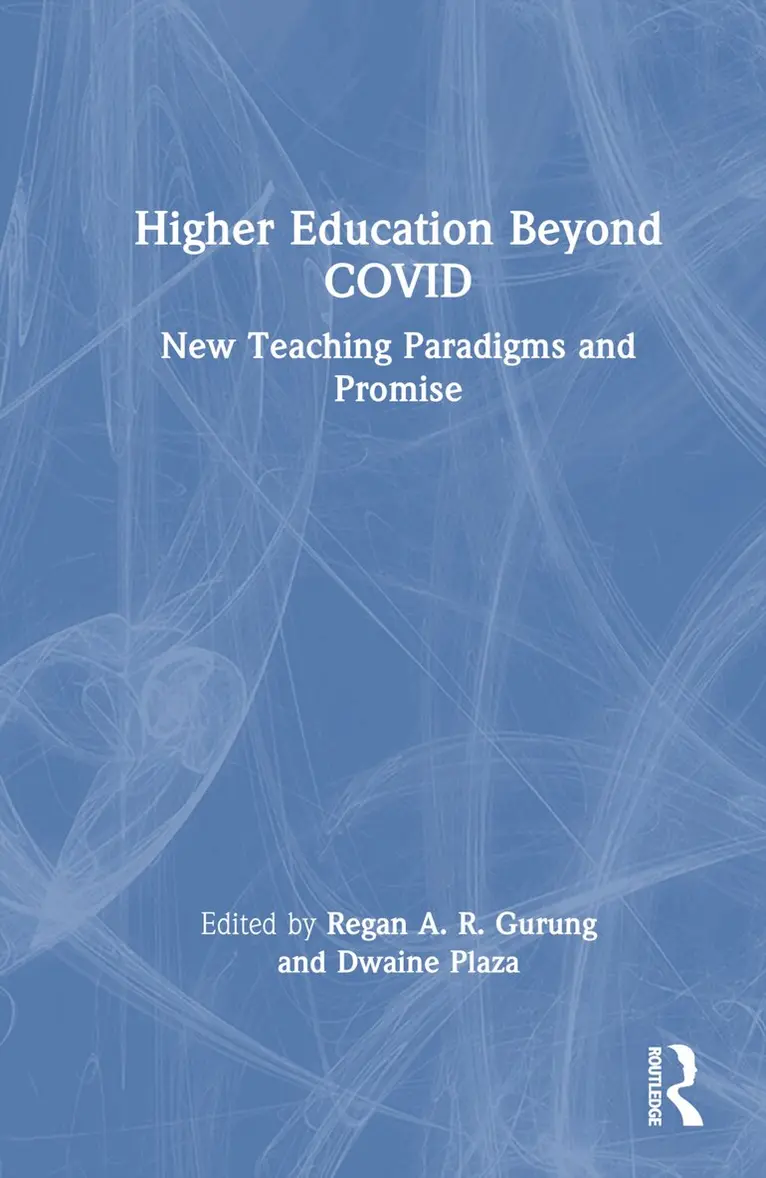
This book illustrates how higher education responded to the COVID-19 pandemic and grew from it. The pandemic impacted faculty development, drew a greater focus on the measurement of effective teaching in higher education, and provided a better understanding of what was needed to better aid educators in colleges and universities nationwide. The stage is set for a more resilient higher education with chapters illustrating new paradigms and promise.Three themes are highlighted throughout this volume. Authors underscore the need to explore different modalities of delivery for faculty development and instruction, to enhance the leverage of technology in course design, and to refine faculty development for holistic development. Pulling together empirical data on college faculty administration, and student responses to the pandemic, chapter authors address the unique issues faced by educators and highlight successes and challenges in working with existing Centers for Teaching and Learning (CTLs) and information technology structures. Featuring contributions from diverse institutions, each chapter provides specific guidelines and recommendations for higher education to set the stage for innovation and change.Laying the groundwork for the design of more effective models of faculty development for higher education, this book is a valuable resource for higher education administrators and faculty to improve higher education going forward.
481 kr
Skickas inom 10-15 vardagar
This book illustrates how higher education responded to the COVID-19 pandemic and grew from it. The pandemic impacted faculty development, drew a greater focus on the measurement of effective teaching in higher education, and provided a better understanding of what was needed to better aid educators in colleges and universities nationwide. The stage is set for a more resilient higher education with chapters illustrating new paradigms and promise.Three themes are highlighted throughout this volume. Authors underscore the need to explore different modalities of delivery for faculty development and instruction, to enhance the leverage of technology in course design, and to refine faculty development for holistic development. Pulling together empirical data on college faculty administration, and student responses to the pandemic, chapter authors address the unique issues faced by educators and highlight successes and challenges in working with existing Centers for Teaching and Learning (CTLs) and information technology structures. Featuring contributions from diverse institutions, each chapter provides specific guidelines and recommendations for higher education to set the stage for innovation and change.Laying the groundwork for the design of more effective models of faculty development for higher education, this book is a valuable resource for higher education administrators and faculty to improve higher education going forward.