E. Alessandra Strada – författare
Visar alla böcker från författaren E. Alessandra Strada. Handla med fri frakt och snabb leverans.
5 produkter
5 produkter
E-bok
PDF, Engelska, 2018770 kr
Läs direkt efter köp
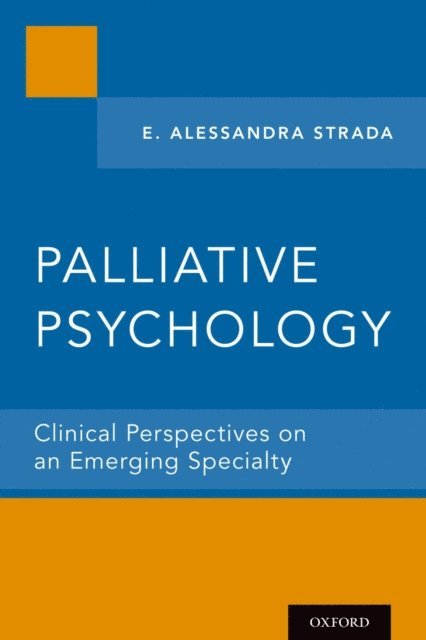
Palliative Psychology provides clinical, evidence-based training in palliative and end of life care for clinical psychologists to accomplish specific therapeutic goals. Chapters provide a clear road map for approaching assessment and treatment by reviewing the use of psychotropic medications for patients with advanced and terminal illness, basic but important aspects of pain medication, in depth psychological and psychiatric assessment for patients with advanced illness and their caregivers, and assessment tools, highlighting the specific clinical contexts for their use. The volume also includes evidence-based psychotherapy models that have been shown effective in treating various manifestations of psychological distress in patients and caregivers.In addition to clinical topics, Palliative Psychology addresses crucial and often sensitive professional issues, including communication and collaboration with medical providers and issues of stress and burnout. Psychologists will learn how to best communicate the results of their assessments and treatment plan goals to other care providers in order to foster collaboration and better position themselves as advocates for their patients. Insight-oriented and practical suggestions will help clinicians manage the emotional intensity of this work and channel the therapeutic potential of their emotional reactions into their work with patients and caregivers.
E-bok
Engelska, 2018770 kr
Läs direkt efter köp
Palliative Psychology provides clinical, evidence-based training in palliative and end of life care for clinical psychologists to accomplish specific therapeutic goals. Chapters provide a clear road map for approaching assessment and treatment by reviewing the use of psychotropic medications for patients with advanced and terminal illness, basic but important aspects of pain medication, in depth psychological and psychiatric assessment for patients with advanced illness and their caregivers, and assessment tools, highlighting the specific clinical contexts for their use. The volume also includes evidence-based psychotherapy models that have been shown effective in treating various manifestations of psychological distress in patients and caregivers.In addition to clinical topics, Palliative Psychology addresses crucial and often sensitive professional issues, including communication and collaboration with medical providers and issues of stress and burnout. Psychologists will learn how to best communicate the results of their assessments and treatment plan goals to other care providers in order to foster collaboration and better position themselves as advocates for their patients. Insight-oriented and practical suggestions will help clinicians manage the emotional intensity of this work and channel the therapeutic potential of their emotional reactions into their work with patients and caregivers.
Häftad, Engelska, 2013
629 kr
Skickas inom 5-8 vardagar
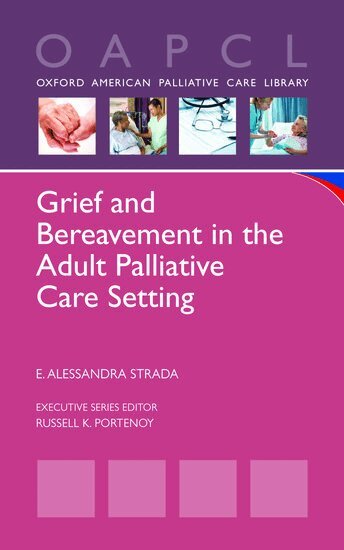
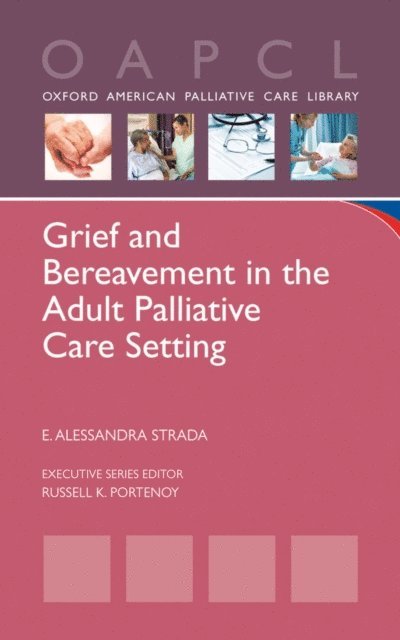
For patients and family caregivers the journey through illness and transitions of care is characterized by a series of progressive physical and emotional losses. Grief reactions represent the natural response to those losses. Grief is defined by a constellation of physical, cognitive, emotional and spiritual manifestations, varying in length and severity. While grief reactions are common and expected responses to loss, they have the potential to cause significant suffering. And, while grief is not a disease, it can develop into a pathological process warranting specialized treatment. Additionally, some aspects of grief overlap with the symptoms of clinical depression and anxiety, making diagnosis difficult. Grief and Bereavement in the Adult Palliative Care Setting provides practical, evidence-based, and clinically effective approaches to understanding the multifaceted nature of grief and bereavement in patients with advanced illness and their caregivers. This handbook is an ideal tool for palliative care providers of various disciplines who provide direct clinical services to patients and family members. It assists clinicians in recognizing and identifying grief reactions as unique expressions of patients and caregivers' history and psychological functioning. Primary care physicians who provide care to patients and families will also find this practical assessment and treatment guide helpful. They will learn how to best support bereaved patients and caregivers when grief is uncomplicated, and when to choose more active interventions that may include appropriate referrals to mental health professionals.
Häftad, Engelska, 2018
849 kr
Skickas inom 5-8 vardagar
Palliative Psychology provides unique and comprehensive training for psychologists specializing in palliative and end of life care. Chapters explore the complex, psychological needs of patients and family caregivers, as well as the knowledge, skills, and attitudes psychologists need to work effectively in an interdisciplinary palliative care setting. Psychologists will learn how to combine a therapeutic presence with the ability to provide patient- and family-centered, evidence-based assessment and interventions throughout the trajectory of illness. Focus points and numerous real case discussions complement each chapter. Palliative Psychology also addresses crucial professional issues, including communication and collaboration with health care providers and work stress. The text discusses how psychologists can best communicate the results of assessments and treatment goals to other care providers in order to better advocate for patients and family caregivers. It also highlights the important role of psychologists in helping other clinicians recognize and address work stress. Insightful and practical suggestions for professional self-care will help psychologists manage the emotional intensity of palliative care and enhance their work with patients and caregivers.
E-bok
PDF, Engelska, 2013495 kr
Läs direkt efter köp
For patients and family caregivers the journey through illness and transitions of care is characterized by a series of progressive physical and emotional losses. Grief reactions represent the natural response to those losses. Grief is defined by a constellation of physical, cognitive, emotional and spiritual manifestations, varying in length and severity. While grief reactions are common and expected responses to loss, they have the potential to cause significant suffering. And, while grief is not a disease, it can develop into a pathological process warranting specialized treatment. Additionally, some aspects of grief overlap with the symptoms of clinical depression and anxiety, making diagnosis difficult. Grief and Bereavement in the Adult Palliative Care Setting provides practical, evidence-based, and clinically effective approaches to understanding the multifaceted nature of grief and bereavement in patients with advanced illness and their caregivers. This handbook is an ideal tool for palliative care providers of various disciplines who provide direct clinical services to patients and family members. It assists clinicians in recognizing and identifying grief reactions as unique expressions of patients and caregivers'' history and psychological functioning. Primary care physicians who provide care to patients and families will also find this practical assessment and treatment guide helpful. They will learn how to best support bereaved patients and caregivers when grief is uncomplicated, and when to choose more active interventions that may include appropriate referrals to mental health professionals.