E. Tobach – författare
Visar alla böcker från författaren E. Tobach. Handla med fri frakt och snabb leverans.
6 produkter
6 produkter
Inbunden, Engelska, 1984
2 183 kr
Skickas inom 10-15 vardagar
First published in 1984. In this collection of essays, Schneirla is identified as a scientist and citizen unafraid to hold and present unpopular ideas. Schneirla had always been opposed to the hereditarian views that allowed for the politicalization of psychology and spoke out early against the idea of the genetic basis of behavior. It is fitting that his ideas, which still form the nexus of the major theoretical criticism of classical ethology, now can be seen to stand in opposition to the hereditarian views of socio-biology.
Inbunden, Engelska, 1987
1 303 kr
Skickas inom 10-15 vardagar
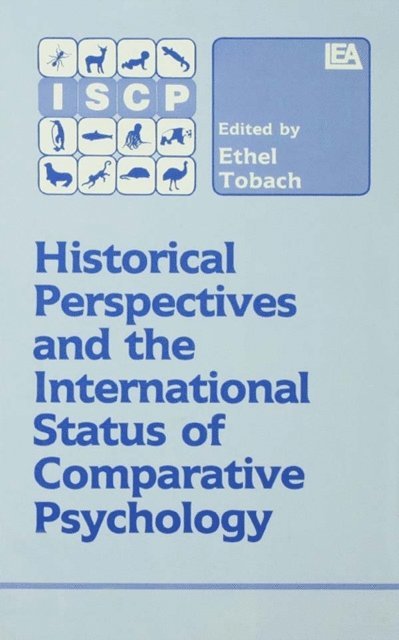
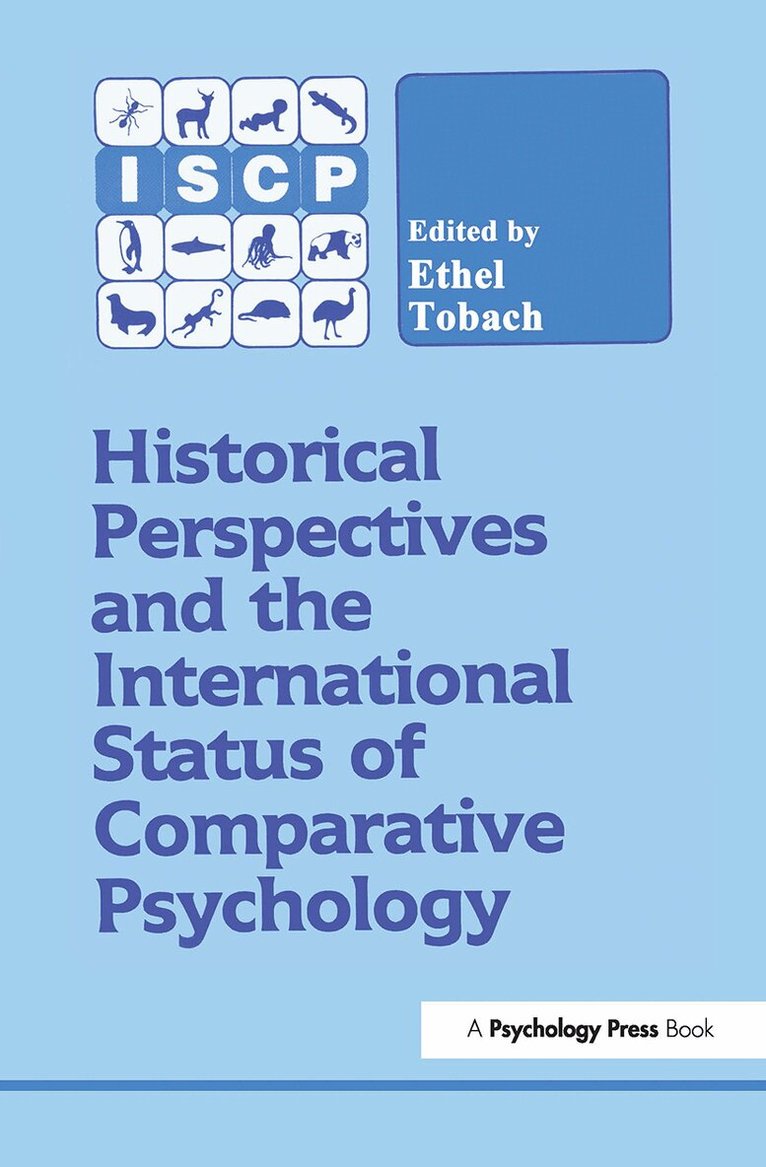
Published in 1987, Historical Perspectives and the International Status of Comparative Psychology is a valubale contribution to the field of Psychology PP.
E-bok
PDF, Engelska, 2013915 kr
Läs direkt efter köp
Published in 1987, Historical Perspectives and the International Status of Comparative Psychology is a valubale contribution to the field of Psychology PP.
915 kr
Läs direkt efter köp
Published in 1987, Historical Perspectives and the International Status of Comparative Psychology is a valubale contribution to the field of Psychology PP.
E-bok
Engelska, 2014915 kr
Läs direkt efter köp
First published in 1984. In this collection of essays, Schneirla is identified as a scientist and citizen unafraid to hold and present unpopular ideas. Schneirla had always been opposed to the hereditarian views that allowed for the politicalization of psychology and spoke out early against the idea of the genetic basis of behavior. It is fitting that his ideas, which still form the nexus of the major theoretical criticism of classical ethology, now can be seen to stand in opposition to the hereditarian views of socio-biology.
E-bok
PDF, Engelska, 2014915 kr
Läs direkt efter köp
First published in 1984. In this collection of essays, Schneirla is identified as a scientist and citizen unafraid to hold and present unpopular ideas. Schneirla had always been opposed to the hereditarian views that allowed for the politicalization of psychology and spoke out early against the idea of the genetic basis of behavior. It is fitting that his ideas, which still form the nexus of the major theoretical criticism of classical ethology, now can be seen to stand in opposition to the hereditarian views of socio-biology.