Earvin Charles B. Cabalquinto – författare
Visar alla böcker från författaren . Handla med fri frakt och snabb leverans.
5 produkter
5 produkter
Inbunden, Engelska, 2022
1 390 kr
Skickas inom 7-10 vardagar
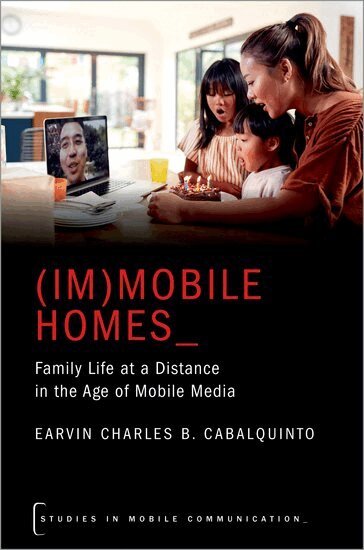
The home has been on the forefront of rapid economic, political, social, and technological transformations for many individuals and families across the world. As a country reliant on the exportation of human labor to sustain its national economy, the Philippines exemplifies a valuable case study of the impacts of a globalized and networked society on the everyday dynamics of a transnational family arrangement. Despite ranking among the heaviest Internet users in the world, Filipino citizens are often left with no choice but to navigate digital and transnational environments orchestrated by the uneven distribution of both national and international resources and opportunities. (Im)mobile Homes investigates the role of smartphones, social media channels, and various mobile applications in forging and sustaining intimate ties among dispersed Filipino family members. Examining the digital lifeworlds of transnational Filipino family in Australia, this volume draws on rich ethnographic study to explore the benefits of digital communication as well as the tensions enabled by the influences of socio-cultural structures, socio-economic conditions, technological affordances, and institutional policies and processes on mobile practices. It portrays the physically distributed yet virtually connected nature of the transnational Filipino family through diverse contexts, such as observing family rituals, performing intimate care, and managing crises, and foregrounds their unique strategies in addressing the interruptions of connecting at a distance. Ultimately, this volume underscores how mobile practices of the transnational Filipino family negotiate the pre-existing and broader structural systems that (re)produce marginalization in a digital and global era. Enriched by moving stories of transnational families, (Im)mobile Homes offers a critical lens towards interrogating the possibilities and politics of a home from afar in the digital era.
Häftad, Engelska, 2022
520 kr
Skickas inom 5-8 vardagar
The home has been on the forefront of rapid economic, political, social, and technological transformations for many individuals and families across the world. As a country reliant on the exportation of human labor to sustain its national economy, the Philippines exemplifies a valuable case study of the impacts of a globalized and networked society on the everyday dynamics of a transnational family arrangement. Despite ranking among the heaviest Internet users in the world, Filipino citizens are often left with no choice but to navigate digital and transnational environments orchestrated by the uneven distribution of both national and international resources and opportunities. (Im)mobile Homes investigates the role of smartphones, social media channels, and various mobile applications in forging and sustaining intimate ties among dispersed Filipino family members. Examining the digital lifeworlds of transnational Filipino family in Australia, this volume draws on rich ethnographic study to explore the benefits of digital communication as well as the tensions enabled by the influences of socio-cultural structures, socio-economic conditions, technological affordances, and institutional policies and processes on mobile practices. It portrays the physically distributed yet virtually connected nature of the transnational Filipino family through diverse contexts, such as observing family rituals, performing intimate care, and managing crises, and foregrounds their unique strategies in addressing the interruptions of connecting at a distance. Ultimately, this volume underscores how mobile practices of the transnational Filipino family negotiate the pre-existing and broader structural systems that (re)produce marginalization in a digital and global era. Enriched by moving stories of transnational families, (Im)mobile Homes offers a critical lens towards interrogating the possibilities and politics of a home from afar in the digital era.
E-bok
PDF, Engelska, 2021440 kr
Läs direkt efter köp
The home has been on the forefront of rapid economic, political, social, and technological transformations for many individuals and families across the world. As a country reliant on the exportation of human labor to sustain its national economy, the Philippines exemplifies a valuable case study of the impacts of a globalized and networked society on the everyday dynamics of a transnational family arrangement. Despite ranking among the heaviest Internet users in the world, Filipino citizens are often left with no choice but to navigate digital and transnational environments orchestrated by the uneven distribution of both national and international resources and opportunities. (Im)mobile Homes investigates the role of smartphones, social media channels, and various mobile applications in forging and sustaining intimate ties among dispersed Filipino family members. Examining the digital lifeworlds of transnational Filipino family in Australia, this volume draws on rich ethnographic study to explore the benefits of digital communication as well as the tensions enabled by the influences of socio-cultural structures, socio-economic conditions, technological affordances, and institutional policies and processes on mobile practices. It portrays the physically distributed yet virtually connected nature of the transnational Filipino family through diverse contexts, such as observing family rituals, performing intimate care, and managing crises, and foregrounds their unique strategies in addressing the interruptions of connecting at a distance. Ultimately, this volume underscores how mobile practices of the transnational Filipino family negotiate the pre-existing and broader structural systems that (re)produce marginalization in a digital and global era. Enriched by moving stories of transnational families, (Im)mobile Homes offers a critical lens towards interrogating the possibilities and politics of a home from afar in the digital era.
E-bok
Engelska, 2021440 kr
Läs direkt efter köp
The home has been on the forefront of rapid economic, political, social, and technological transformations for many individuals and families across the world. As a country reliant on the exportation of human labor to sustain its national economy, the Philippines exemplifies a valuable case study of the impacts of a globalized and networked society on the everyday dynamics of a transnational family arrangement. Despite ranking among the heaviest Internet users in the world, Filipino citizens are often left with no choice but to navigate digital and transnational environments orchestrated by the uneven distribution of both national and international resources and opportunities. (Im)mobile Homes investigates the role of smartphones, social media channels, and various mobile applications in forging and sustaining intimate ties among dispersed Filipino family members. Examining the digital lifeworlds of transnational Filipino family in Australia, this volume draws on rich ethnographic study to explore the benefits of digital communication as well as the tensions enabled by the influences of socio-cultural structures, socio-economic conditions, technological affordances, and institutional policies and processes on mobile practices. It portrays the physically distributed yet virtually connected nature of the transnational Filipino family through diverse contexts, such as observing family rituals, performing intimate care, and managing crises, and foregrounds their unique strategies in addressing the interruptions of connecting at a distance. Ultimately, this volume underscores how mobile practices of the transnational Filipino family negotiate the pre-existing and broader structural systems that (re)produce marginalization in a digital and global era. Enriched by moving stories of transnational families, (Im)mobile Homes offers a critical lens towards interrogating the possibilities and politics of a home from afar in the digital era.
Inbunden, Engelska, 2026
3 979 kr
Kommande
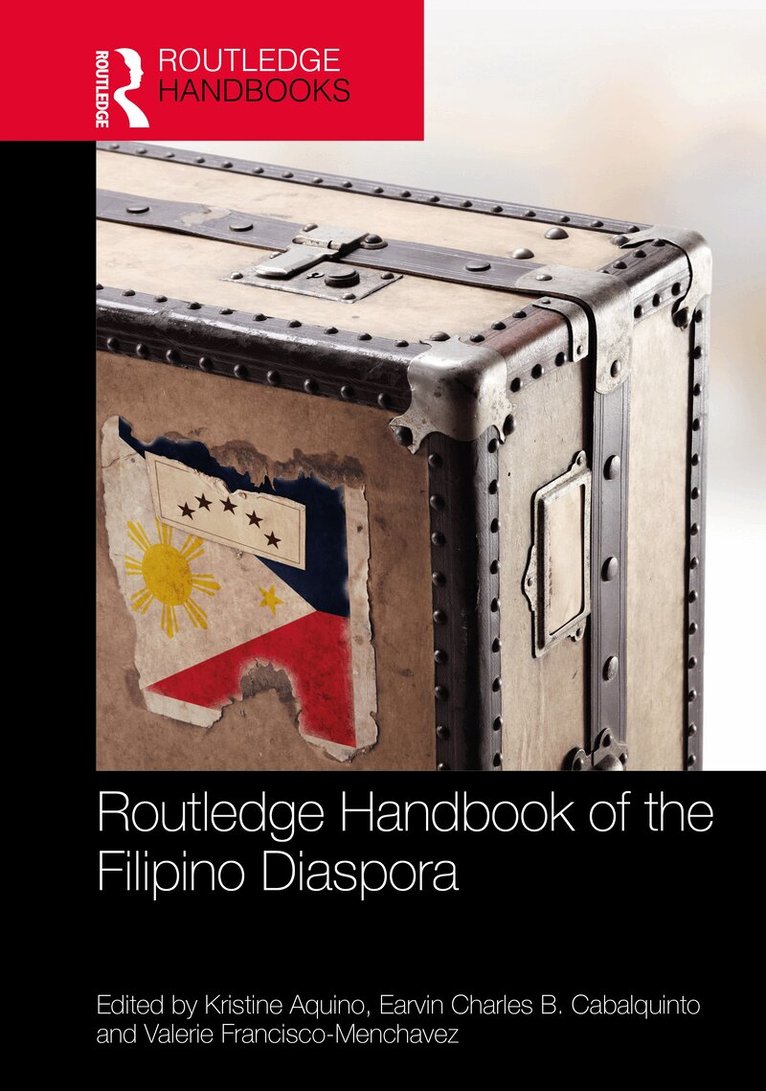
This landmark volume presents the varied experiences of Filipino migrants living across Europe, North America, the UAE, and the Asia-Pacific, and provides a comprehensive overview of the global Filipino diaspora, among one of the largest and most mobile migrant groups in the world.From the early movements of Filipino laborers in imperial circuits to today's digital networks connecting migrants worldwide, the Filipino diaspora reveals how migration and mobility intersects with power, precarity, and possibility. Bringing together historical accounts, contemporary ethnographies, and emerging perspectives on migration infrastructures, digital technologies, climate migration, care networks, labour and leisure, and queer mobilities, and more, this work positions the Filipino diaspora as an unfinished project—a dynamic site for theorizing futures and producing social change in an increasingly interconnected yet unequal world.Examining diaspora and migration as ongoing, contested processes shaped by migration systems, policies, regimes of mobility, and digital infrastructures, this seminal volume foregrounds identity-making, community-building, resistance, and futures thinking across a range of regional and global contexts, and will be an indispensable tool for students and researchers in the fields of Asian Studies, Migration, and Diaspora Studies.