Ebru Turhan – författare
Visar alla böcker från författaren . Handla med fri frakt och snabb leverans.
3 produkter
3 produkter
Inbunden, Engelska, 2021
545 kr
Skickas inom 10-15 vardagar
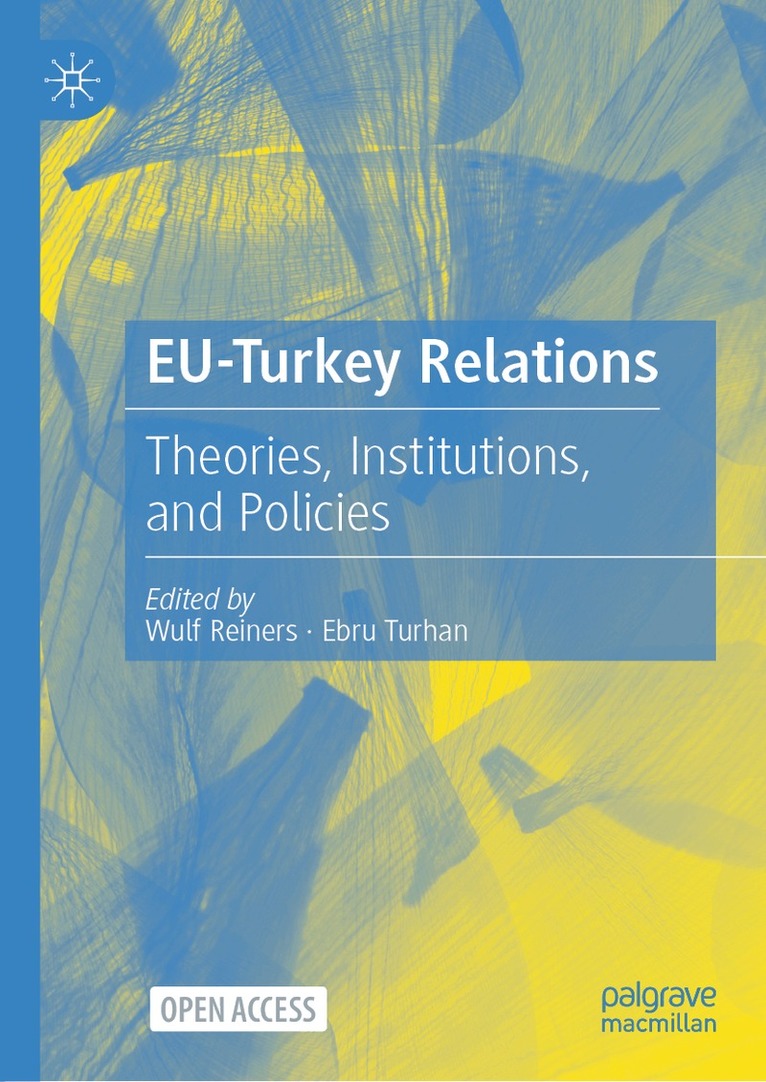
This open access book explores the new complexities and ambiguities that epitomize EU-Turkey relations. With a strong focus on the developments in the last decade, the book provides full access to a comprehensive understanding of the multifaceted relationship through three entry points: (1) Theories and Concepts, (2) Institutions, and (3) Policies. Part I brings together complementary and competing analytical approaches to study the evolution of EU-Turkey relations, ranging from traditional integration theories to novel concepts. Part II investigates the institutional machinery of EU-Turkey relations by analyzing the roles and perspectives of the European Council, the European Commission, and the European Parliament. Part III offers analyses of the policies most relevant for the relationship: enlargement policy, trade and macroeconomic policies, foreign and security policy, migration and asylum policies, and energy policy. In Part IV, the volume closes with a systematic survey of the conditions under which cooperative trends in EU-Turkey relations could be (re)invigorated. The systematic setup and the balanced combination of distinguished experts from EU- and Turkey-based institutions make this book a fundamental reading for students, researchers, lecturers, and practitioners of EU-Turkey relations, European integration and Turkish foreign policy.
Häftad, Engelska, 2021
437 kr
Skickas inom 10-15 vardagar
This open access book explores the new complexities and ambiguities that epitomize EU-Turkey relations. With a strong focus on the developments in the last decade, the book provides full access to a comprehensive understanding of the multifaceted relationship through three entry points: (1) Theories and Concepts, (2) Institutions, and (3) Policies. Part I brings together complementary and competing analytical approaches to study the evolution of EU-Turkey relations, ranging from traditional integration theories to novel concepts. Part II investigates the institutional machinery of EU-Turkey relations by analyzing the roles and perspectives of the European Council, the European Commission, and the European Parliament. Part III offers analyses of the policies most relevant for the relationship: enlargement policy, trade and macroeconomic policies, foreign and security policy, migration and asylum policies, and energy policy. In Part IV, the volume closes with a systematic survey of the conditions under which cooperative trends in EU-Turkey relations could be (re)invigorated. The systematic setup and the balanced combination of distinguished experts from EU- and Turkey-based institutions make this book a fundamental reading for students, researchers, lecturers, and practitioners of EU-Turkey relations, European integration and Turkish foreign policy.
E-bok
PDF, Engelska, 2019887 kr
Läs direkt efter köp
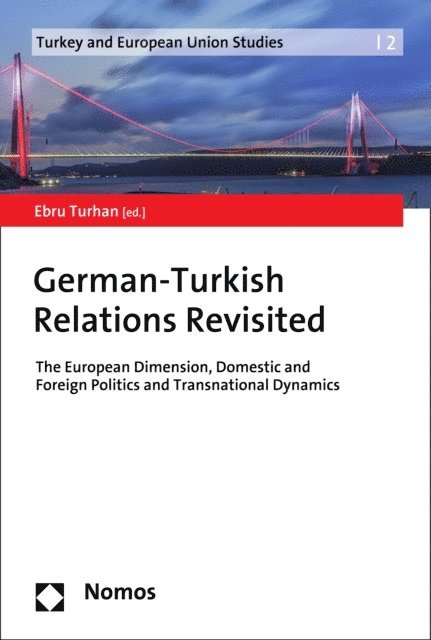
In den letzten Jahren ist der deutsch-türkische Dialog zunehmend Gegenstand politischer, akademischer und öffentlicher Debatten geworden. Die Entwicklung der bilateralen Beziehungen zwischen den beiden Ländern war geprägt von Höhen und Tiefen. In jüngster Zeit überwiegen jedoch die Konfliktphasen: Entfremdung und gegenseitiges Misstrauen zwischen Deutschland und der Türkei nehmen zu. Endet die "Achterbahnfahrt" in den vielschichtigen und dynamischen Beziehungen zwischen beiden Ländern womöglich in einem Unglück? Ausgehend von den "intermestischen" (inter-lokalen) Tendenzen und den außergewöhnlichen Interdependenzen in den deutsch-türkischen Beziehungen beleuchtet dieser Band die Potenziale für zukünftige Kooperationen und Konflikte. Im Zentrum stehen die drei Dimensionen der deutsch-türkischen Beziehungen, die sich insbesondere auf konfliktreichen oder kooperativen Dialog beziehen: die europäische Dimension, die Innen- und Außenpolitik sowie transnationale Dynamiken.Mit Beiträgen vonMirja Schröder, Funda Tekin, Ebru Turhan, Thomas Krumm, Ludwig Schulz, Yaşar Aydın, Deniz Kuru, Defne Kadıoğlu Polat, Çetin Çelik, Elif Posos Devrani und Wolfgang Wessels