Ed. by Michael David-Fox – författare
Visar alla böcker från författaren Ed. by Michael David-Fox. Handla med fri frakt och snabb leverans.
3 produkter
Soviet Gulag: Evidence, Interpretation, and Comparison. Pittsburgh
Pittsburgh University Press, Russian and East European Studies and Kritika Historical Studies
Inbunden, 2021
619 kr
Lägg i varukorg
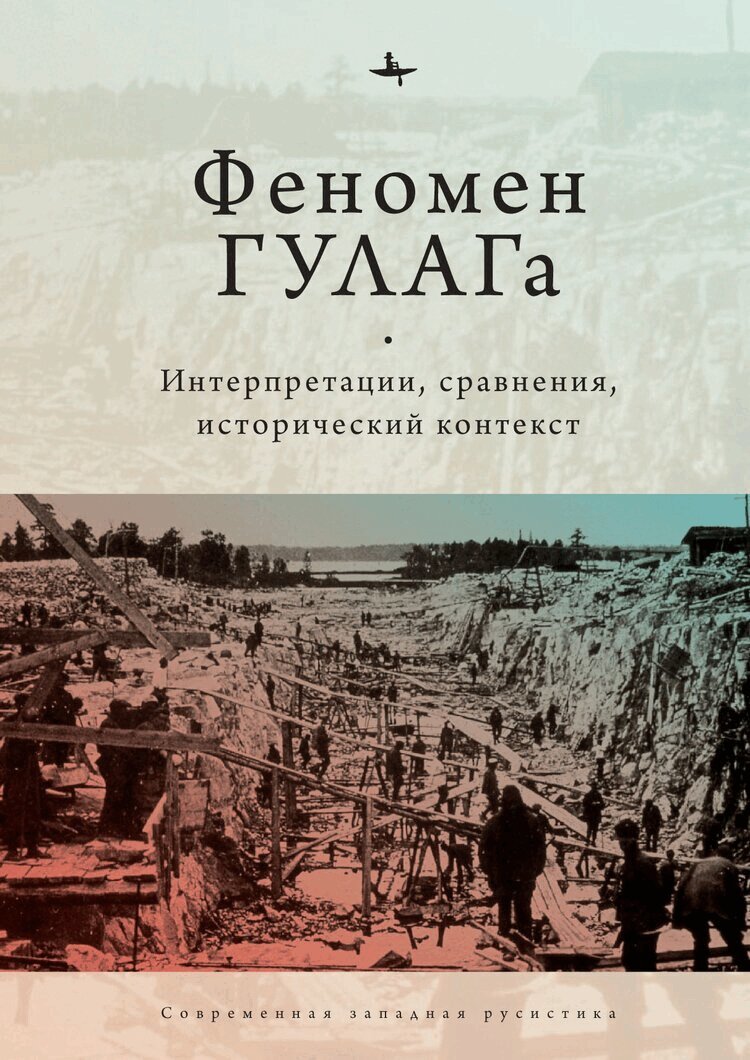
The metaphor of an “archipelago” in the Solzhenitsyn's magnum opus was intended to bridge the veil of silence that surrounded the camp system, much like water surrounds enclaves of land. Since then, this deeply influential metaphor has prompted historians and readers alike to think about the GULAG …
The Soviet Gulag: Evidence, Interpretation, and Comparison. Pittsburgh
Pittsburgh University Press, Russian and East European Studies and Kritika Historical Studies
E-bok, 2021
2617 kr
Lägg i varukorg
The metaphor of an “archipelago” in the Solzhenitsyn''s magnum opus was intended to bridge the veil of silence that surrounded the camp system, much like water surrounds enclaves of land. Since then, this deeply influential metaphor has prompted historians and readers alike to think about the GULAG …
Soviet Gulag: Evidence, Interpretation, and Comparison. Pittsburgh
Pittsburgh University Press, Russian and East European Studies and Kritika Historical Studies
Häftad, 2026
394 kr
Lägg i varukorg
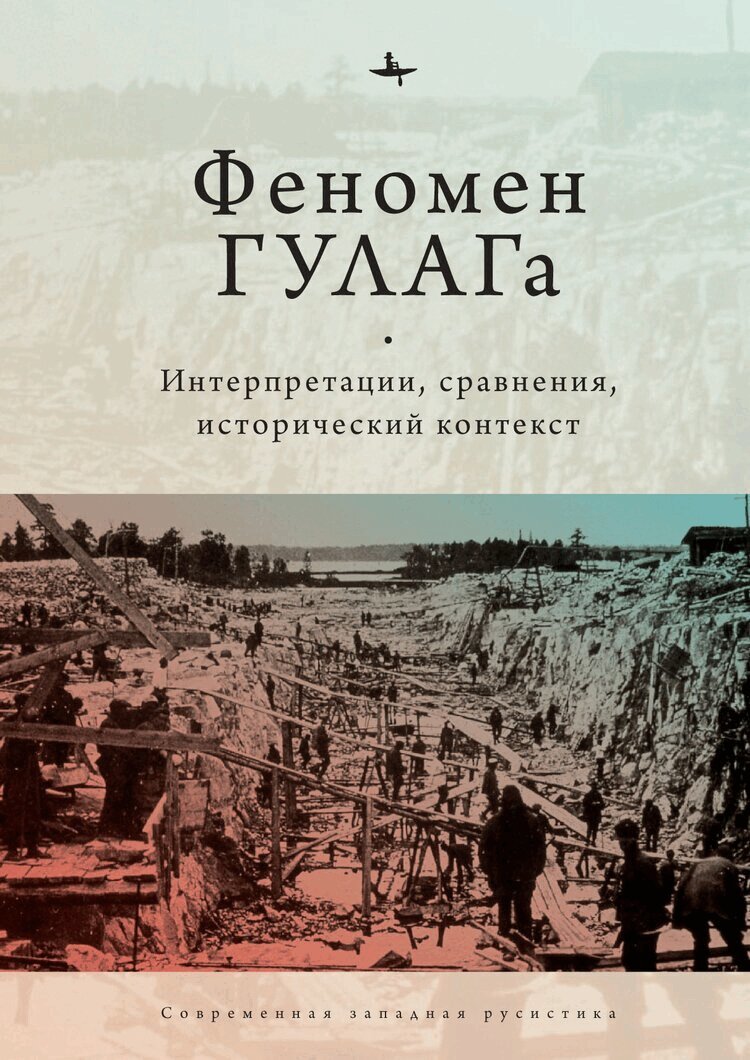
The metaphor of an “archipelago” in the Solzhenitsyn's magnum opus was intended to bridge the veil of silence that surrounded the camp system, much like water surrounds enclaves of land. Since then, this deeply influential metaphor has prompted historians and readers alike to think about the GULAG …