Edgar Illas – författare
2 404 kr
Skickas inom 10-15 vardagar
620 kr
Skickas inom 10-15 vardagar
740 kr
Läs direkt efter köp
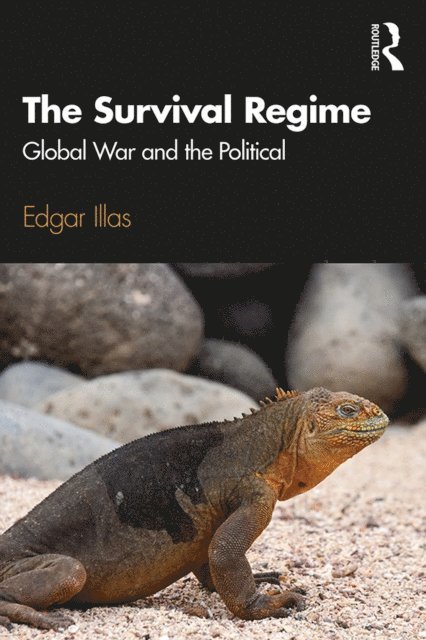
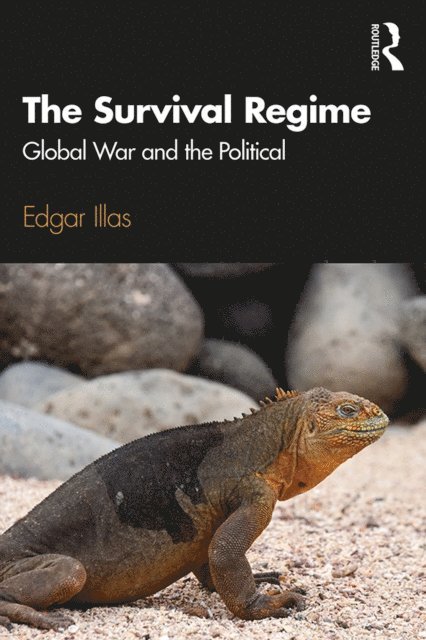
The Survival Regime explores the concept of survival to describe the effects on politics of the fusion of war and capital in globalization. Survival defines a sort of degree zero governmentality that has resulted from the crumbling of the political and spatial architecture of modernity, particularly the state. It does not simply name the new content of all politics or the economic law of the strongest of neoliberalism. Rather, it theorizes how systemic violence and permanent instability force political life to struggle for its own existence, thus generating a regime based on productive engagement and urgent intervention.
Through a critical dialogue with various contemporary thinkers (Galli, Hardt and Negri, Esposito, Agamben, Derrida, and Schmitt, among others), Edgar Illas theorizes survival as a global logic that overcomes the links between life and power explained by the Foucauldian paradigm of biopolitics. He examines parallel notions such as singularity, aleatoriness, eclecticism, and distinction to question previous theorizations of the political based on class struggle, inclusion, hegemony, or recognition of demands.
Through the intersection of different lines of inquiry, including Marxism, war theory, biopolitics, and deconstruction, The Survival Regime contributes to the rethinking of critical theory, political theory, and cultural studies in globalization.
740 kr
Läs direkt efter köp
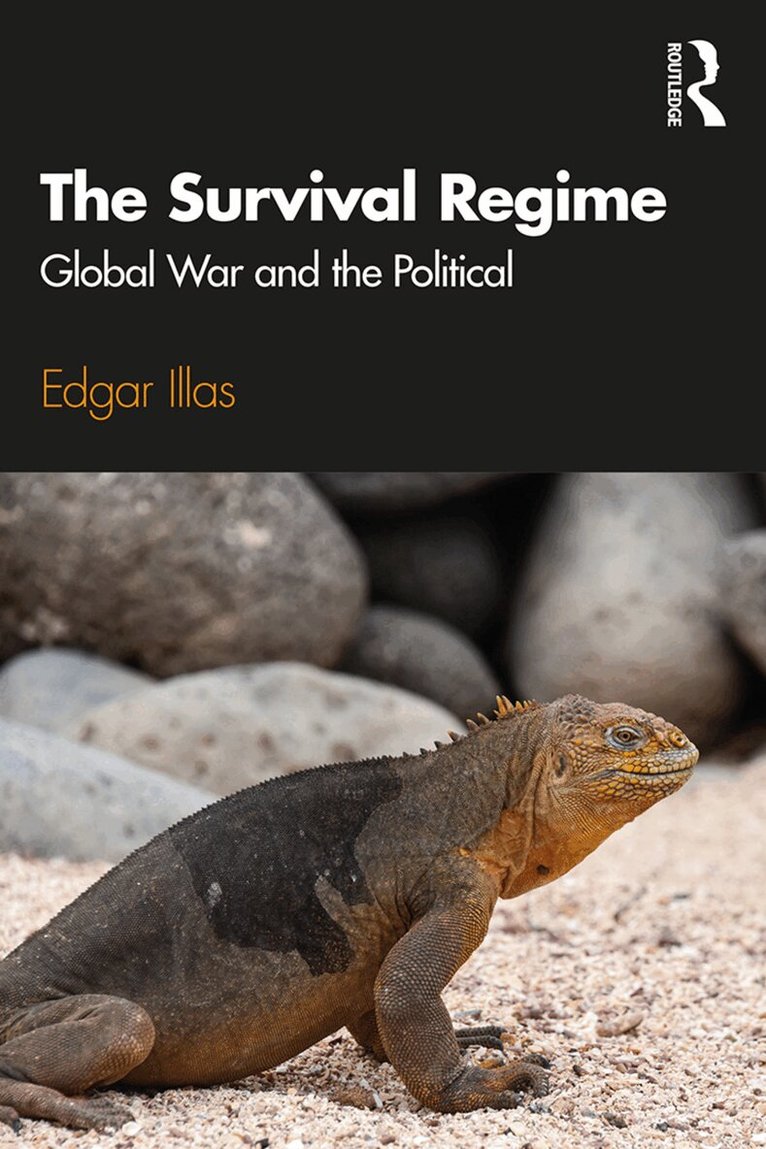
The Survival Regime explores the concept of survival to describe the effects on politics of the fusion of war and capital in globalization. Survival defines a sort of degree zero governmentality that has resulted from the crumbling of the political and spatial architecture of modernity, particularly the state. It does not simply name the new content of all politics or the economic law of the strongest of neoliberalism. Rather, it theorizes how systemic violence and permanent instability force political life to struggle for its own existence, thus generating a regime based on productive engagement and urgent intervention.
Through a critical dialogue with various contemporary thinkers (Galli, Hardt and Negri, Esposito, Agamben, Derrida, and Schmitt, among others), Edgar Illas theorizes survival as a global logic that overcomes the links between life and power explained by the Foucauldian paradigm of biopolitics. He examines parallel notions such as singularity, aleatoriness, eclecticism, and distinction to question previous theorizations of the political based on class struggle, inclusion, hegemony, or recognition of demands.
Through the intersection of different lines of inquiry, including Marxism, war theory, biopolitics, and deconstruction, The Survival Regime contributes to the rethinking of critical theory, political theory, and cultural studies in globalization.
606 kr
Skickas inom 10-15 vardagar
2 404 kr
Skickas inom 10-15 vardagar
723 kr
Läs direkt efter köp
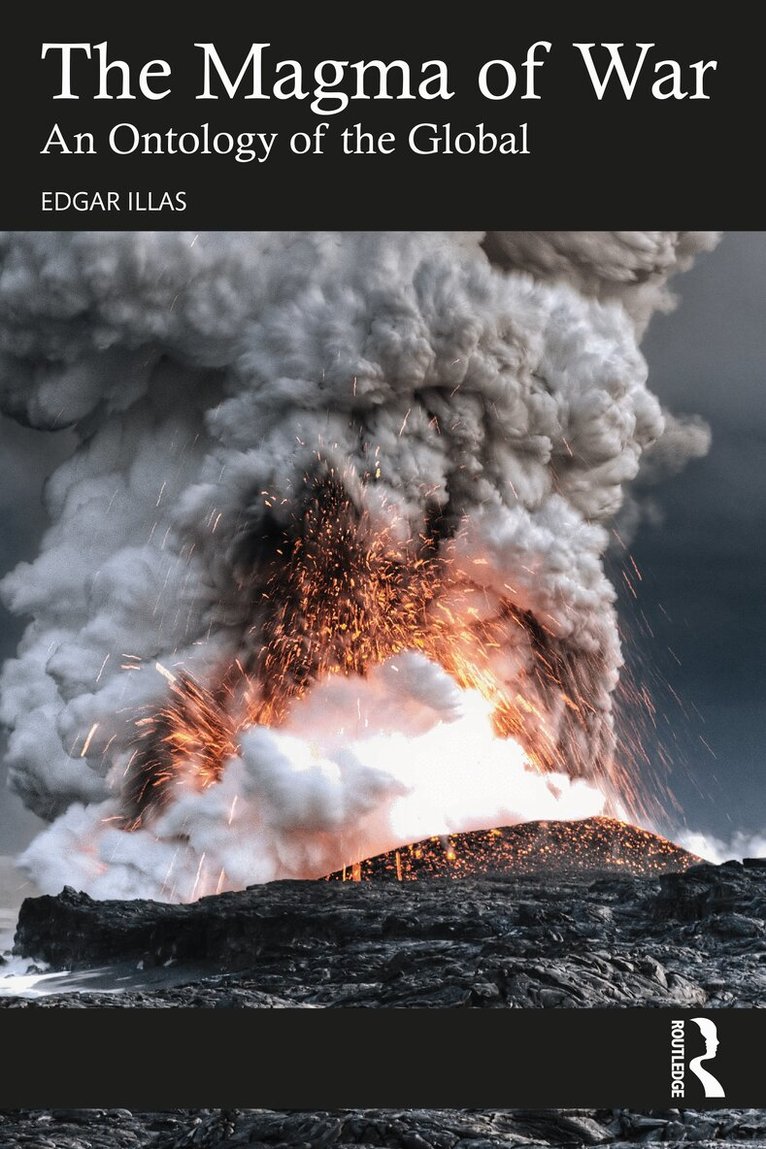
War, from the conflicts in the Middle East and Russia/Ukraine to Mexican narco-violence, from neocolonial land grabs in the Global South to racial, border, health, and climate crises all over the planet, defines the most extreme and contradictory expression of the global world. In this fascinating exploration on the history of the thinking of conflict, Edgar Illas departs from military and sociological analyses to propose a theoretical exploration of war as the ontological force that produces political orders.
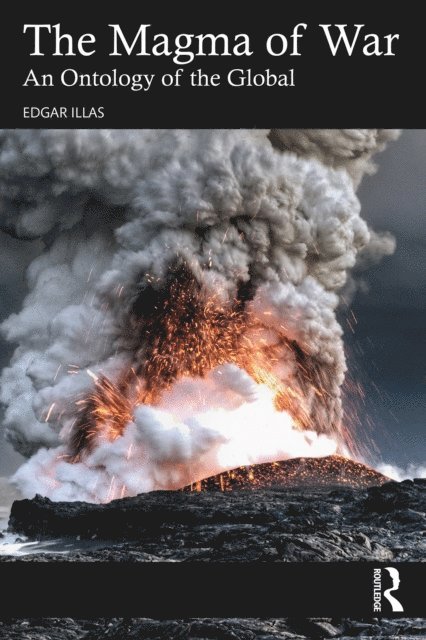
Magma is used as a geological metaphor to theorize the mixtures of politics and war that organize, and disorganize, global society. Divided into two parts, Illas’ study begins by surveying some of the most important thinkers of war, moving from classical antiquity to the twentieth century. Each thinker provides a different inflection in the historical evolution of the being of war. The second part turns to a theorization of the twenty-first century to claim that conflictive relations between capital, state power, political movements, and social life in globalization culminate and at the same time reiterate the paradoxes of war as an ontological event.
The Magma of War is an energizing contribution to the task of rethinking politics in relation to war and an invaluable resource to all those conscious of the unstable forms of contemporary social and political life.
723 kr
Läs direkt efter köp
War, from the conflicts in the Middle East and Russia/Ukraine to Mexican narco-violence, from neocolonial land grabs in the Global South to racial, border, health, and climate crises all over the planet, defines the most extreme and contradictory expression of the global world. In this fascinating exploration on the history of the thinking of conflict, Edgar Illas departs from military and sociological analyses to propose a theoretical exploration of war as the ontological force that produces political orders.
Magma is used as a geological metaphor to theorize the mixtures of politics and war that organize, and disorganize, global society. Divided into two parts, Illas’ study begins by surveying some of the most important thinkers of war, moving from classical antiquity to the twentieth century. Each thinker provides a different inflection in the historical evolution of the being of war. The second part turns to a theorization of the twenty-first century to claim that conflictive relations between capital, state power, political movements, and social life in globalization culminate and at the same time reiterate the paradoxes of war as an ontological event.
The Magma of War is an energizing contribution to the task of rethinking politics in relation to war and an invaluable resource to all those conscious of the unstable forms of contemporary social and political life.
68 kr
Läs direkt efter köp