Edmund Booth – författare
Visar alla böcker från författaren Edmund Booth. Handla med fri frakt och snabb leverans.
4 produkter
4 produkter
Inbunden, Engelska, 2020
1 360 kr
Skickas
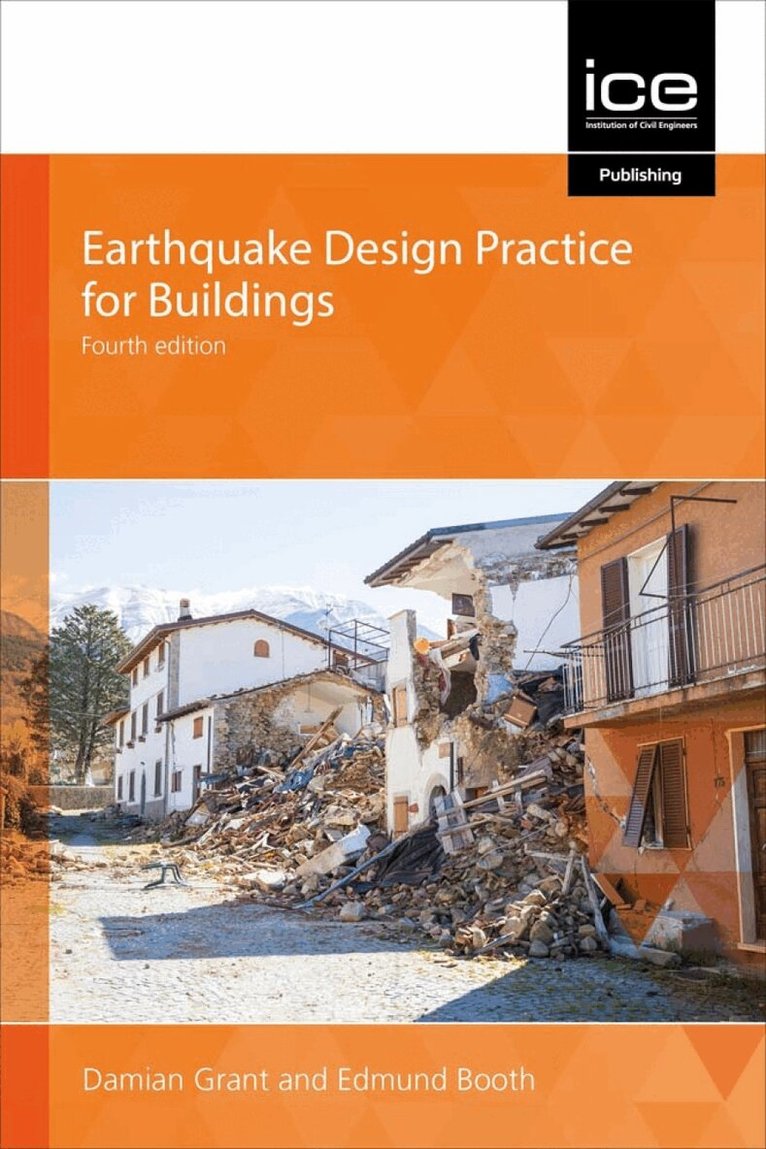
Earthquake Design Practice for Buildings covers the main principles and design rules that are used to design buildings to resist the effect of earthquakes. It offers comprehensive, practical and easy to read advice on the technical issues that have to be considered in the seismic design of buildings. This indispensable guide outlines the principles of structural dynamics used to establish how a building and its foundations respond to strong ground shaking. Extensive advice is provided on the choice and design of structural forms and materials which produce practical, affordable and attractive buildings resilient to earthquakes.Now in its fourth edition and written by two experienced seismic engineers, this book has been updated to take into account the many developments in seismic design practice in recent years, includingupdates to international seismic design standards, along with new editions of US design standards, upcoming changes to Eurocode 8, and a comparison with Indian and Chinese code requirementsa new chapter on seismic performance objectives for new and existing structures, and the latest developments in performance-based earthquake engineering (PBEE)expanded coverage on the design of masonry and timber structuresdesign of specific seismic-protective technologies, such as base isolation and supplemental damping, and the role of ‘non-structural’ building components in delivering resilient, damage-resistant seismic designa revised introduction on the wider technical and socio-economic factors affecting earthquake resilience.Containing information about the updated international seismic standards, Earthquake Design Practice for Buildings is directed at practising engineers and advanced-level students seeking a broad survey of the latest developments in seismic engineering. It also appeals to those who have a sound general knowledge of structural design but who may be unfamiliar with the problems of providing earthquake resistance.Want to find out more on designing earthquake-resistant buildings in seismic areas around the world? Read Damian Grant's, author of Earthquake Design Practice for Buildings, blog: Beyond life safety: how to make sure our buildings behave themselves in an earthquake.
E-bok
Engelska, 2022860 kr
Läs direkt efter köp
The papers, from 18 countries in Europe and elsewhere, contain discussions of quite radical innovations in material technology, design philosophy, experimental techniques and analytical approaches that will affect seismic design practice into the next century. Papers are organised into 9 sections: Ground motion and seismic hazard studies; Seismic design of foundations; Seismic design of steel, concrete and masonry buildings; Seismic design of offshore, nuclear and petrochemical installations; Seismic design of bridges, dock and power station structures; Repair and strengthening of bridges and buildings; Active and passive methods of seismic control; Dynamic testing methods; Seismic codes of practice. The proceedings will provide essential material for all those from both industrial and research organisations needing to keep in touch with the state-of-the-art in earthquake engineering and related earch sciences.
E-bok
PDF, Engelska, 2022891 kr
Läs direkt efter köp
The papers, from 18 countries in Europe and elsewhere, contain discussions of quite radical innovations in material technology, design philosophy, experimental techniques and analytical approaches that will affect seismic design practice into the next century. Papers are organised into 9 sections: Ground motion and seismic hazard studies; Seismic design of foundations; Seismic design of steel, concrete and masonry buildings; Seismic design of offshore, nuclear and petrochemical installations; Seismic design of bridges, dock and power station structures; Repair and strengthening of bridges and buildings; Active and passive methods of seismic control; Dynamic testing methods; Seismic codes of practice. The proceedings will provide essential material for all those from both industrial and research organisations needing to keep in touch with the state-of-the-art in earthquake engineering and related earch sciences.
Inbunden, Engelska, 1998
2 251 kr
Tillfälligt slut
The papers, from 18 countries in Europe and elsewhere, contain discussions of quite radical innovations in material technology, design philosophy, experimental techniques and analytical approaches that will affect seismic design practice into the next century. Papers are organised into 9 sections: Ground motion and seismic hazard studies; Seismic design of foundations; Seismic design of steel, concrete and masonry buildings; Seismic design of offshore, nuclear and petrochemical installations; Seismic design of bridges, dock and power station structures; Repair and strengthening of bridges and buildings; Active and passive methods of seismic control; Dynamic testing methods; Seismic codes of practice. The proceedings will provide essential material for all those from both industrial and research organisations needing to keep in touch with the state-of-the-art in earthquake engineering and related earch sciences.