Edmund J. Lewis - Böcker
Visar alla böcker från författaren Edmund J. Lewis. Handla med fri frakt och snabb leverans.
2 produkter
2 produkter
1 272 kr
Skickas inom 7-10 vardagar
Severe inflammation of the kidney can indicate the serious, negative prognosis of lupus nephritis when present in conjunction with systemic lupus erythematosus (SLE), a chronic autoimmune connective tissue disease that can affect any part of the body, most often harming the heart, joints, skin, lungs, blood vessels, liver, kidneys, and nervous system. This book pulls together in one comprehensive reference the current knowledge regarding the inherited and immunologic abnormalities that have been identified in SLE, with specific reference to the development of renal disease and the way in which these factors may impact upon the chronic care of these patients. Since publication of the first edition in 1999, the discipline of medicine has experienced some revolutionary changes in the way drugs are used to treat to immune system diseases. On the basis of careful analysis of physical make-up, the immune system, and microscopic features of the human body, it has become clear that multiple components of the immune system are responsible for renal injury and that any given patient can experience a combination of these mechanisms. With this in mind, specific therapies can be tested, and drugs that interrupt the immune response in highly specific ways are being scrutinized for their value in lupus nephritis. This new edition reflects the updated methods of classification and advances in treatment options for SLE, and covers recent clinical trials to help treat patients using the most up-to-date knowledge available. It takes a practical approach throughout, and will be of interest to those working with patients with lupus nephritis, and those who manage their everyday care.
901 kr
Skickas inom 7-10 vardagar
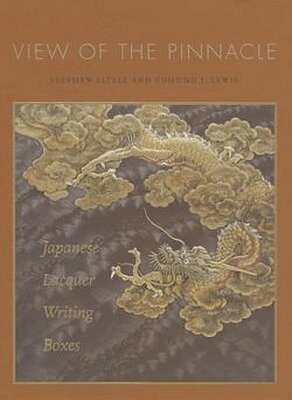
View of the Pinnacle is a richly illustrated catalogue featuring more than eighty suzuribako, dating from the fourteenth through the twentieth centuries, from the Edmund and Julia Lewis Collection.suzuribako, the exquisite lacquer boxes designed to hold the implements used in creating brush-and-ink calligraphy, have for centuries combined utilitarian function with superb craftsmanship. The art of creating suzuribako came into being during the Heian period in Japan (794–1185), when aristocratic culture—both artistic and literary—flourished; it was in full flower during the sixteenth century and continued into modern times. The designs on suzuribako frequently represent highly refined visual representations of classical poetry, literature, mythology, and history. Diverse subjects are depicted, including religious figures, philosophers, poets, animals, mythical creatures, and landscapes (real and imagined). These artistic representations are often combined with calligraphed poems or excerpts from classical literature. In the catalogue, Stephen Little and Edmund Lewis give equal attention to both the literary content of the suzuribako and the lacquer techniques used in crafting them. The literary references and themes, drawn as much from Chinese as from Japanese classical texts, reflect the deep knowledge of Chinese and Japanese classical literature among the literate classes in Japan from the eighth century onward. A full appreciation of the themes and metaphorical imagery incorporated into many of the boxes requires a deep cultural sophistication on the part of the viewer. Stephen Little, describing the layered literary themes frequently depicted in suzuribako, notes that “the excavation of hidden layers of meaning in a box’s decoration becomes a thrilling quest.” The volume includes an essay by Edmund Lewis on the nuances of meaning in suzuribako designs, and the interviewing of the artistic and literary expressions embodied in them. In a second essay, John Stevens presents a brief history of Japanese calligraphy and explains its central importance in Japanese cultural expression.