Edmund S. K. Fung - Böcker
Visar alla böcker från författaren Edmund S. K. Fung. Handla med fri frakt och snabb leverans.
6 produkter
6 produkter
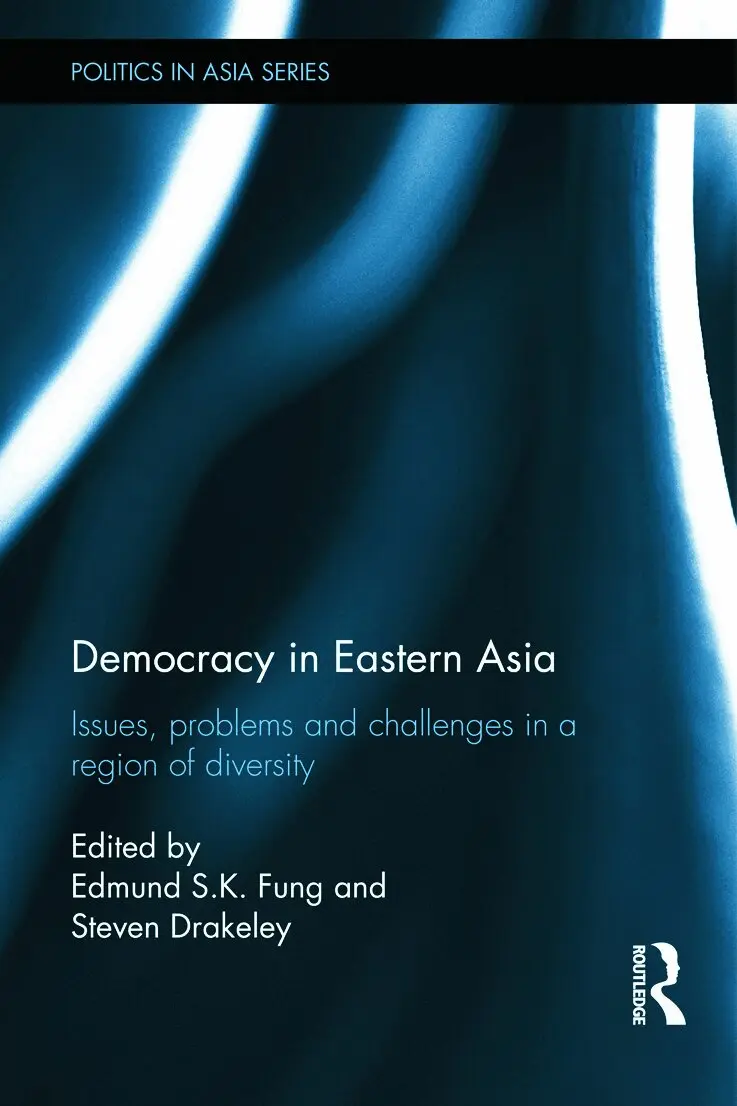
Democracy in Eastern Asia
Issues, Problems and Challenges in a Region of Diversity
Inbunden, Engelska, 2013
1 366 kr
Skickas inom 10-15 vardagar
With the ‘Asian Century’ now upon us, bringing with it many profound economic and political changes to the world order, it is very timely to assess the state of democracy in the Asian region. Focusing on Eastern Asia, this book provides such a review, highlighting lines of connections between the states and peoples of this complex and dynamic region. Featuring chapters on China, Japan, Taiwan, South Korea, Hong Kong, Indonesia, Malaysia, Singapore, Thailand, the Philippines, Cambodia, and Myanmar, this book provides a detailed analysis of the state of democracy in each country or territory, and shows how each is different and distinctive, whilst simultaneously drawing out important similarities. Further, it provides up to date analysis of political changes in the region relating to the processes of democratization, and, in some cases, to the ongoing quest for democracy. Critically examining the current state of political development in the region, the chapters explore the issues and problems that challenge the region’s governments in terms of democratic transition, democratic consolidation, democratic improvement and good governance.With contributions from leading international scholars, this book will be of great interest to students and scholars interested in Asian politics, and politics and democratization studies more broadly.
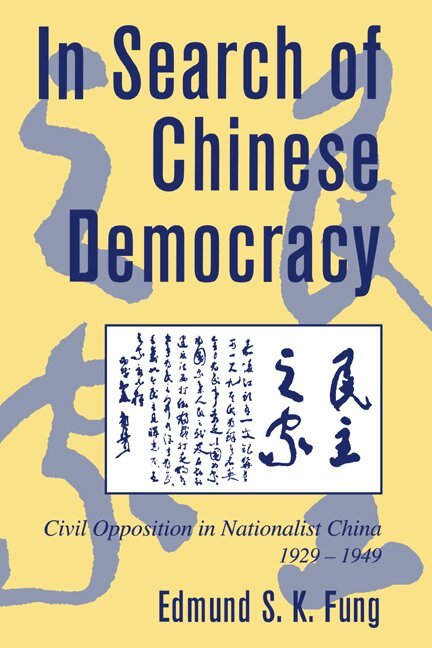
In Search of Chinese Democracy
Civil Opposition in Nationalist China, 1929-1949
Häftad, Engelska, 2006
507 kr
Skickas inom 7-10 vardagar
Why modern China has been unable to institutionalize democracy is a long-standing topic of debate and the ultimate subject of this book. The greatest momentum for democracy, Edmund Fung contends, emerged between 1929 and 1949 with civil opposition to the one-party rule of the Guomindang. This analysis of China's liberal intellectuals and political activists who pursued democracy in the 1930s and 1940s, fills a gap in the historical literature on the period between May Fourth Radicalism and the Chinese Communists' accession to power. Fung argues that the reasons the growth of democracy was thwarted during this period were ultimately more political than cultural. The Nationalist era contained the germs of a reformist, liberal order, which was prevented from growing by party politics, a lack of regime leadership, and bad strategic decisions. The legacy of China's liberal thinkers can be seen, however, in the pro-democracy movement of the post-Mao period.
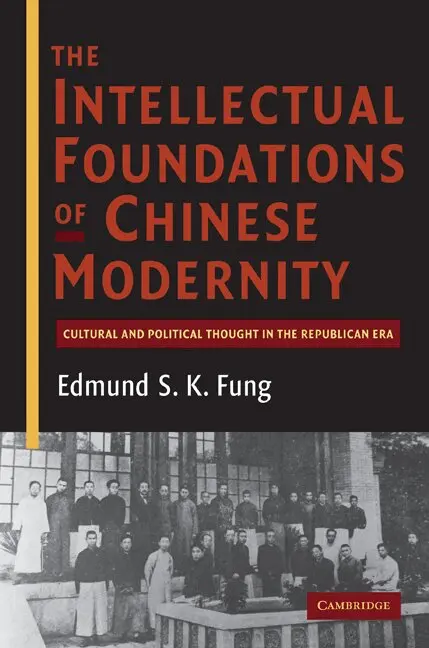
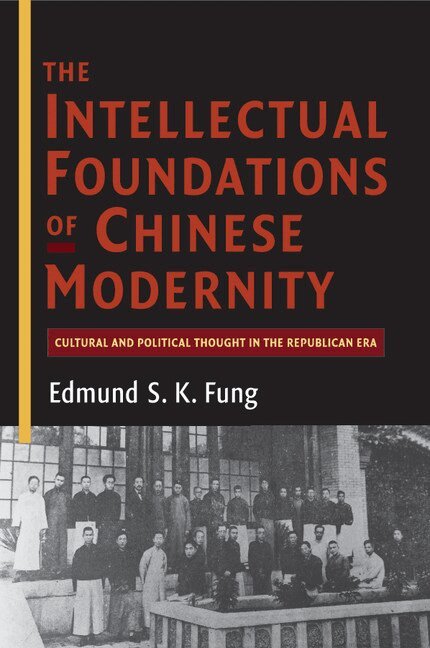
The Intellectual Foundations of Chinese Modernity
Cultural and Political Thought in the Republican Era
Inbunden, Engelska, 2010
1 245 kr
Skickas inom 7-10 vardagar
In the early twentieth century, China was on the brink of change. Different ideologies - those of radicalism, conservatism, liberalism, and social democracy - were much debated in political and intellectual circles. Whereas previous works have analyzed these trends in isolation, Edmund S. K. Fung shows how they related to one another and how intellectuals in China engaged according to their cultural and political persuasions. The author argues that it is this interrelatedness and interplay between different schools of thought that are central to the understanding of Chinese modernity, for many of the debates that began in the Republican era still resonate in China today. The book charts the development of these ideologies and explores the work and influence of the intellectuals who were associated with them. In its challenge to previous scholarship and the breadth of its approach, the book makes a major contribution to the study of Chinese political philosophy and intellectual history.
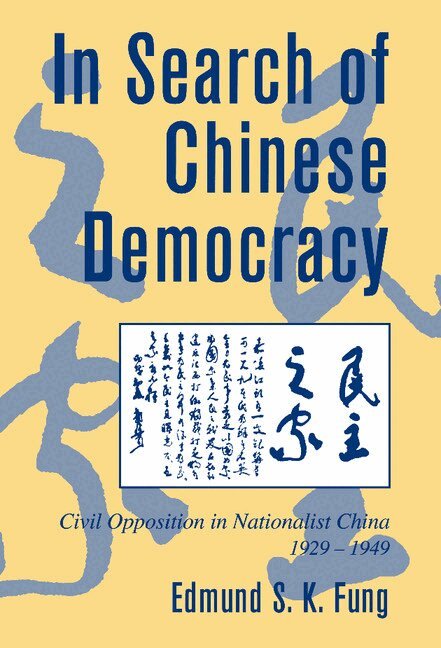
In Search of Chinese Democracy
Civil Opposition in Nationalist China, 1929-1949
Inbunden, Engelska, 2000
797 kr
Skickas inom 7-10 vardagar
Why modern China has been unable to institutionalize democracy is a long-standing topic of debate and the ultimate subject of this book. The greatest momentum for democracy, Edmund Fung contends, emerged between 1929 and 1949 with civil opposition to the one-party rule of the Guomindang. This analysis of China's liberal intellectuals and political activists who pursued democracy in the 1930s and 1940s, fills a gap in the historical literature on the period between May Fourth Radicalism and the Chinese Communists' accession to power. Fung argues that the reasons the growth of democracy was thwarted during this period were ultimately more political than cultural. The Nationalist era contained the germs of a reformist, liberal order, which was prevented from growing by party politics, a lack of regime leadership, and bad strategic decisions. The legacy of China's liberal thinkers can be seen, however, in the pro-democracy movement of the post-Mao period.
The Intellectual Foundations of Chinese Modernity
Cultural and Political Thought in the Republican Era
Häftad, Engelska, 2016
350 kr
Skickas inom 7-10 vardagar
In the early twentieth century, China was on the brink of change. Different ideologies - those of radicalism, conservatism, liberalism, and social democracy - were much debated in political and intellectual circles. Whereas previous works have analyzed these trends in isolation, Edmund S. K. Fung shows how they related to one another and how intellectuals in China engaged according to their cultural and political persuasions. The author argues that it is this interrelatedness and interplay between different schools of thought that are central to the understanding of Chinese modernity, for many of the debates that began in the Republican era still resonate in China today. The book charts the development of these ideologies and explores the work and influence of the intellectuals who were associated with them. In its challenge to previous scholarship and the breadth of its approach, the book makes a major contribution to the study of Chinese political philosophy and intellectual history.
Democracy in Eastern Asia
Issues, Problems and Challenges in a Region of Diversity
Häftad, Engelska, 2015
442 kr
Skickas inom 10-15 vardagar
With the ‘Asian Century’ now upon us, bringing with it many profound economic and political changes to the world order, it is very timely to assess the state of democracy in the Asian region. Focusing on Eastern Asia, this book provides such a review, highlighting lines of connections between the states and peoples of this complex and dynamic region. Featuring chapters on China, Japan, Taiwan, South Korea, Hong Kong, Indonesia, Malaysia, Singapore, Thailand, the Philippines, Cambodia, and Myanmar, this book provides a detailed analysis of the state of democracy in each country or territory, and shows how each is different and distinctive, whilst simultaneously drawing out important similarities. Further, it provides up to date analysis of political changes in the region relating to the processes of democratization, and, in some cases, to the ongoing quest for democracy. Critically examining the current state of political development in the region, the chapters explore the issues and problems that challenge the region’s governments in terms of democratic transition, democratic consolidation, democratic improvement and good governance.With contributions from leading international scholars, this book will be of great interest to students and scholars interested in Asian politics, and politics and democratization studies more broadly.