Edoardo Patelli – författare
Visar alla böcker från författaren Edoardo Patelli. Handla med fri frakt och snabb leverans.
3 produkter
3 produkter
Inbunden, Engelska, 2025
543 kr
Skickas inom 10-15 vardagar
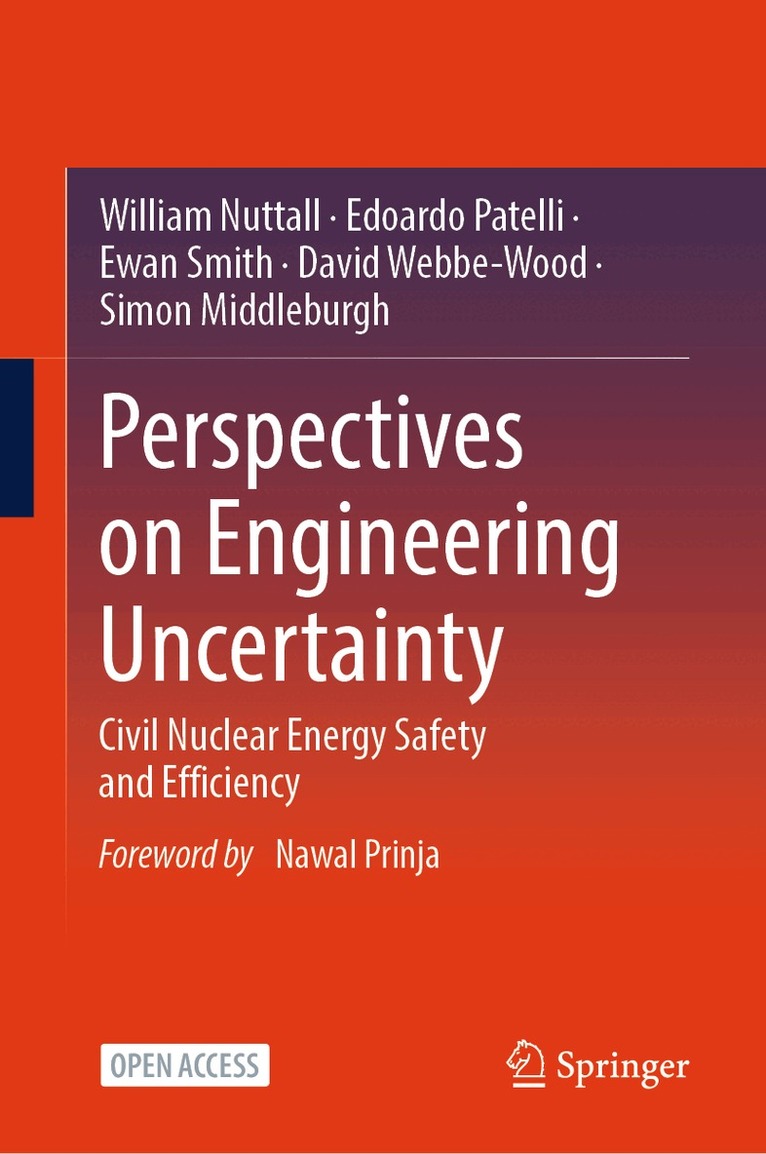
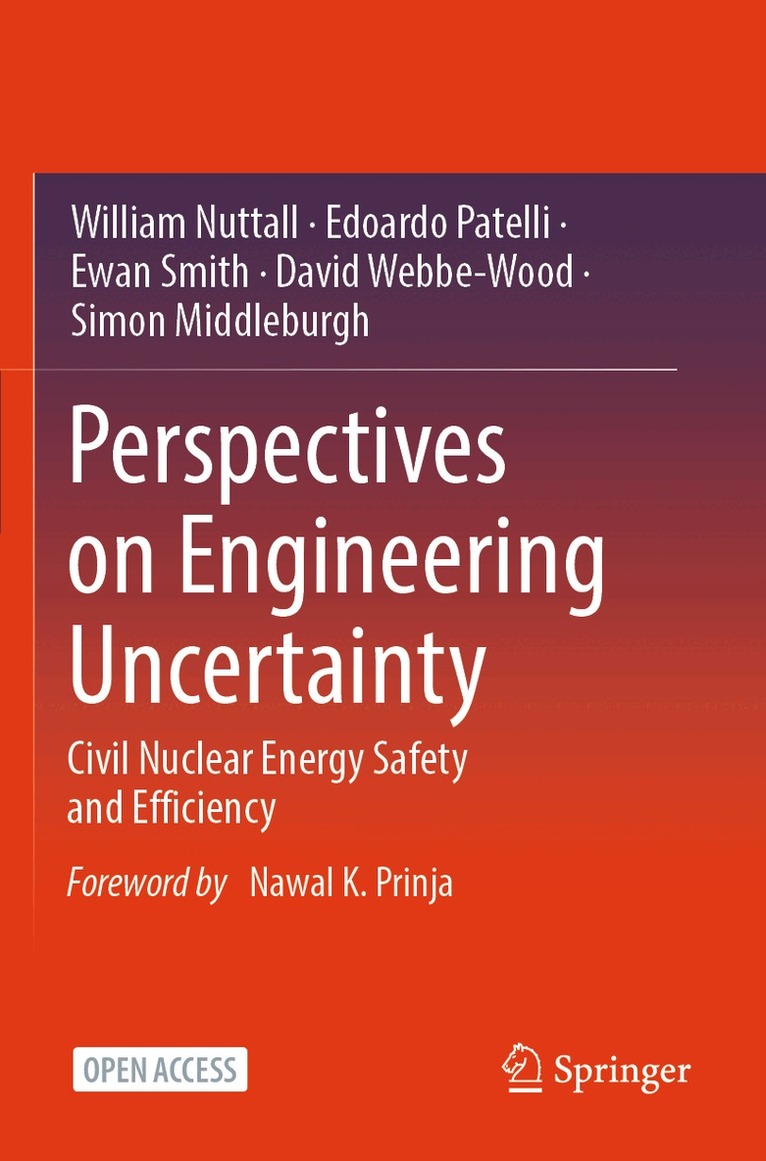
This open access book considers the role of uncertainty in the design and development of large-scale engineering systems. The focus of the book is the safe behaviour of nuclear power plants in both routine operations and in incident situations. The book introduces various types of uncertainty and addresses the extent to which uncertainties may be reduced. The role of multiple dimensions of uncertainty is discussed, as is the importance of modern computational techniques in handling large data sets. Modern IT also provides engineers with new tools, such as digital twins with the potential to greatly reduce cost both in design and in operations. The book focuses on both system safety and efficiency and, to do this, reference is made to the Advanced Gas-Cooled Reactor (AGR). The AGR is a mature established system through which the book elucidates various key concepts and ideas. As well as being of interest to those working in the nuclear industry, the book is likely to appeal to those working in other safety critical engineering sectors and, for example, reference is made to experiences in aviation and railway engineering. This is neither a text book nor a review, it is a primer for those seeking an introduction to modern approaches to uncertainty.
37 950 kr
Skickas inom 10-15 vardagar
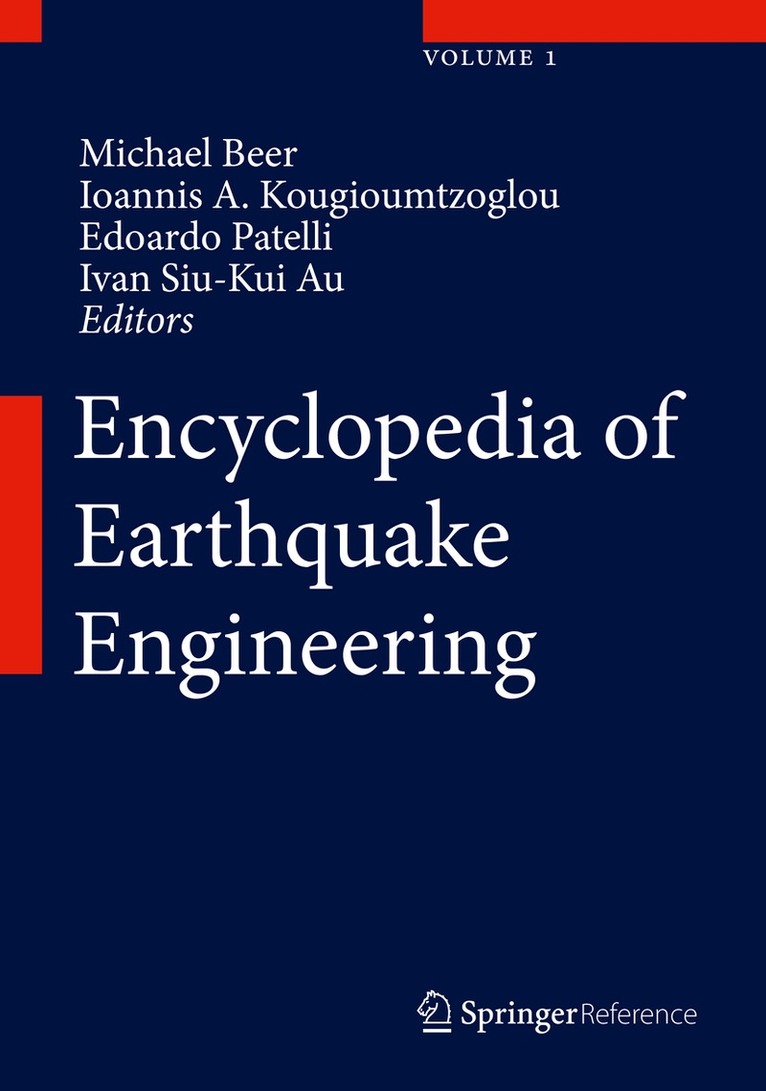
The Encyclopedia of Earthquake Engineering is designed to be the authoritative and comprehensive reference covering all major aspects of the science of earthquake engineering, specifically focusing on the interaction between earthquakes and infrastructure. The encyclopedia comprises approximately 265 contributions. Since earthquake engineering deals with the interaction between earthquake disturbances and the built infrastructure, the emphasis is on basic design processes important to both non-specialists and engineers so that readers become suitably well-informed without needing to deal with the details of specialist understanding. The content of this encyclopedia provides technically inclined and informed readers about the ways in which earthquakes can affect our infrastructure and how engineers would go about designing against, mitigating and remediating these effects. The coverage ranges from buildings, foundations, underground construction, lifelines and bridges, roads, embankments and slopes. The encyclopedia also aims to provide cross-disciplinary and cross-domain information to domain-experts. This is the first single reference encyclopedia of this breadth and scope that brings together the science, engineering and technological aspects of earthquakes and structures.
E-bok
Engelska, 201539 551 kr
Läs direkt efter köp
The Encyclopedia of Earthquake Engineering is designed to be the authoritative and comprehensive reference covering all major aspects of the science of earthquake engineering, specifically focusing on the interaction between earthquakes and infrastructure. The encyclopedia comprises approximately 265 contributions. Since earthquake engineering deals with the interaction between earthquake disturbances and the built infrastructure, the emphasis is on basic design processes important to both non-specialists and engineers so that readers become suitably well-informed without needing to deal with the details of specialist understanding. The content of this encyclopedia provides technically inclined and informed readers about the ways in which earthquakes can affect our infrastructure and how engineers would go about designing against, mitigating and remediating these effects. The coverage ranges from buildings, foundations, underground construction, lifelines and bridges, roads, embankments and slopes. The encyclopedia also aims to provide cross-disciplinary and cross-domain information to domain-experts. This is the first single reference encyclopedia of this breadth and scope that brings together the science, engineering and technological aspects of earthquakes and structures.