Eduard Mühle – författare
Visar alla böcker från författaren Eduard Mühle. Handla med fri frakt och snabb leverans.
14 produkter
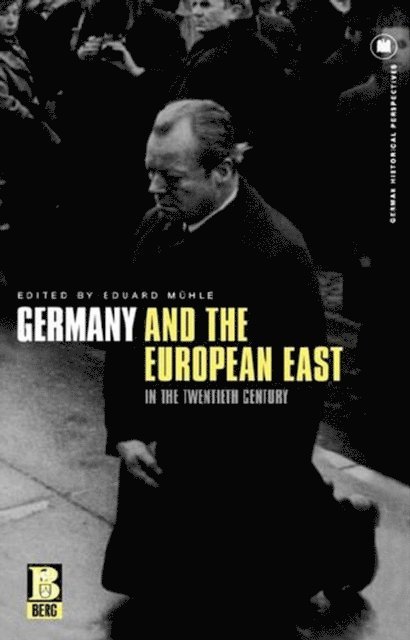
Germany and the European East in the Twentieth Century
Av Eduard Mühle
E-bok, 2003
2087 kr
Lägg i varukorg
How did German society perceive the European East during the short twentieth century? What were the mental maps Germans constructed as their images of the European East? How did these images alter over time due to changing political systems and to what extent did those mental perceptions influence …
Germany and the European East in the Twentieth Century
Av Eduard Mühle
Inbunden, 2003
1899 kr
Lägg i varukorg
How did German society perceive the European East during the short twentieth century? What were the mental maps Germans constructed as their images of the European East? How did these images alter over time due to changing political systems and to what extent did those mental perceptions influence …
Monarchische und adlige Sakralstiftungen im mittelalterlichen Polen
Av Eduard Mühle
Inbunden, 2013
1265 kr
Lägg i varukorg
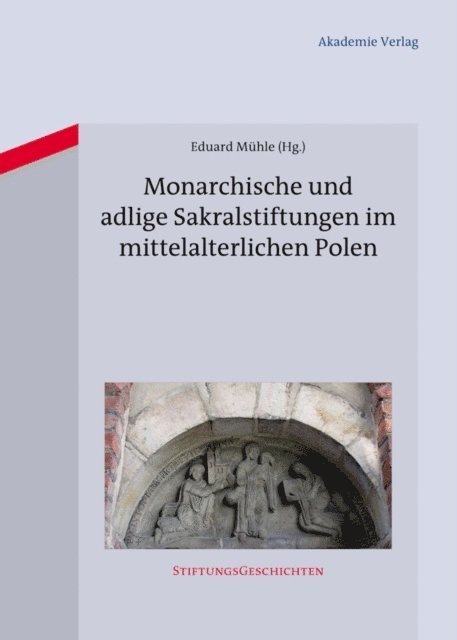
Monarchische und adlige Sakralstiftungen im mittelalterlichen Polen
Av Eduard Muhle
E-bok, 2013
1416 kr
Lägg i varukorg
Seit wann, nach welchen Mustern und Vorbildern, in welchen politischen und sozialen Zusammenhängen, aus welchen ideellen und materiellen Motiven haben polnische Herrscher und weltliche Große Kirchen und Klöster gestiftet, sie mit Besitz ausgestattet, ihnen Reliquien übergeben und heilige Patrone …
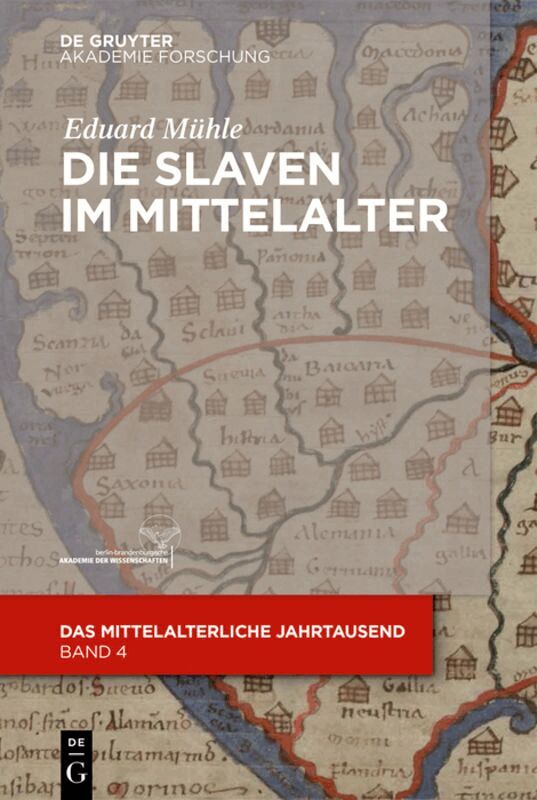
Die Slaven im Mittelalter
Av Eduard Mühle
Häftad, 2016
265 kr
Lägg i varukorg
Die „Slaven" begegnen in mittelalterlichen Quellen wie in der modernen Mediävistik in vielfältiger Weise. Was aber meinten die mittelalterlichen Zeitgenossen, wenn Sie von „Slaven" oder „Slavenland" schrieben und was kann die Mediävistik heute mit diesen Begriffen sinnvoll bezeichnen? In welchem …
Die Slaven im Mittelalter
Av Eduard Muhle
E-bok, 2016
294 kr
Lägg i varukorg
Die „Slaven" begegnen in mittelalterlichen Quellen wie in der modernen Mediävistik in vielfältiger Weise. Was aber meinten die mittelalterlichen Zeitgenossen, wenn Sie von „Slaven" oder „Slavenland" schrieben und was kann die Mediävistik heute mit diesen Begriffen sinnvoll bezeichnen? In welchem …
Die Slaven im Mittelalter
Av Eduard Muhle
E-bok, 2016
288 kr
Lägg i varukorg
Die „Slaven" begegnen in mittelalterlichen Quellen wie in der modernen Mediävistik in vielfältiger Weise. Was aber meinten die mittelalterlichen Zeitgenossen, wenn Sie von „Slaven" oder „Slavenland" schrieben und was kann die Mediävistik heute mit diesen Begriffen sinnvoll bezeichnen? In welchem …
Rechtsstadtgründungen im mittelalterlichen Polen
Av Eduard Mühle
Inbunden, 2011
684 kr
Lägg i varukorg
Der hochmittelalterliche Landesausbau führte auch in Polen eine grundlegende Transformation von Wirtschaft und Gesellschaft herbei. Bestehende Markt- und Burgsiedlungen wurden durch »Lokationen« topographisch reorganisiert und ökonomisch zu multifunktionalen Handels- und Gewerbezentren erweitert. …
Breslau und Krakau im Hoch- und Spätmittelalter
Stadtgestalt - Wohnraum - Lebensstil
Av Eduard Mühle
Inbunden, 2014
920 kr
Lägg i varukorg
Breslau und Krakau hatten eine lange Geschichte als politische und kirchliche Zentren hinter sich, als sie im 13. Jahrhundert zu „Rechtsstädten“ umgestaltet wurden. Die damit verbundene Adaptierung sächsisch-magdeburgischer Rechtsgewohnheiten, Ansiedlung deutschsprachiger Zuwanderer, Intensivierung …
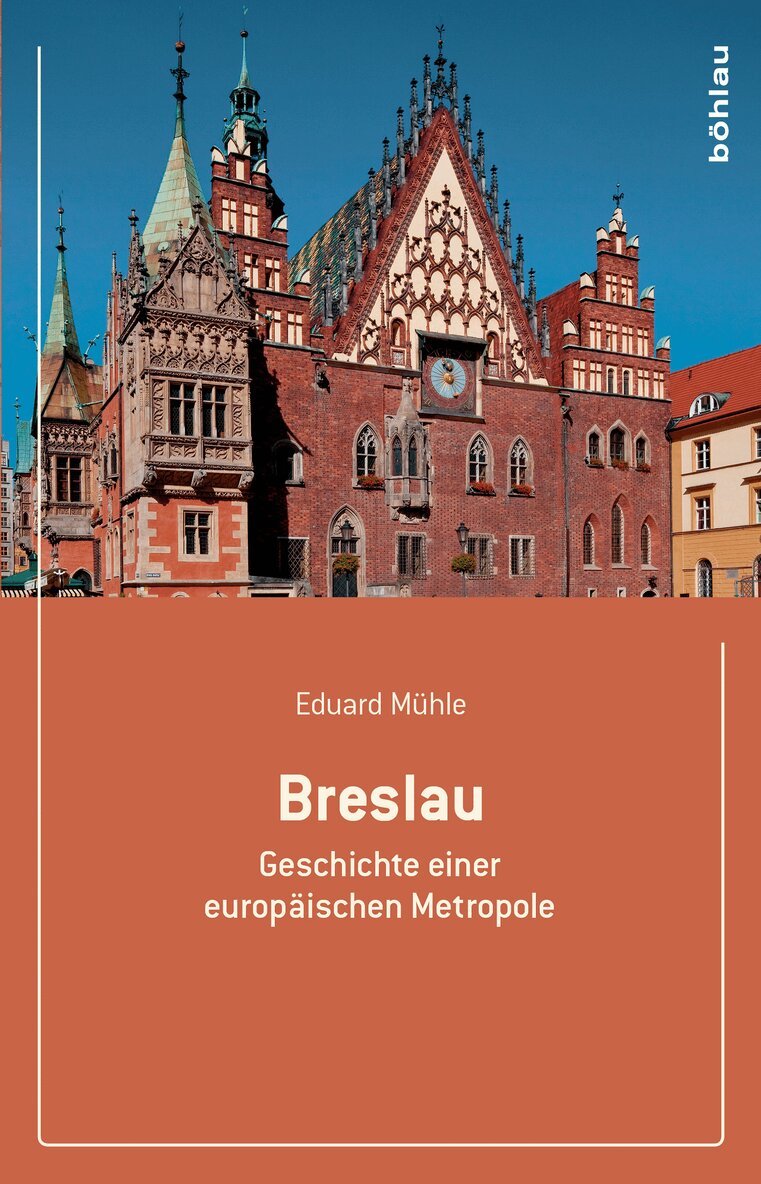
Breslau
Geschichte einer europäischen Metropole
Av Eduard Muhle
E-bok, 2015
459 kr
Lägg i varukorg
Breslau, eine der attraktivsten und dynamischsten Städte in Polen, übt auf Bewohner wie Besucher einen besonderen Reiz aus. Nicht zuletzt die über tausendjährige Geschichte der Stadt trägt dazu bei. Eduard Mühle zeichnet diese bewegte und spannende Geschichte nach. Über tausend Jahre …
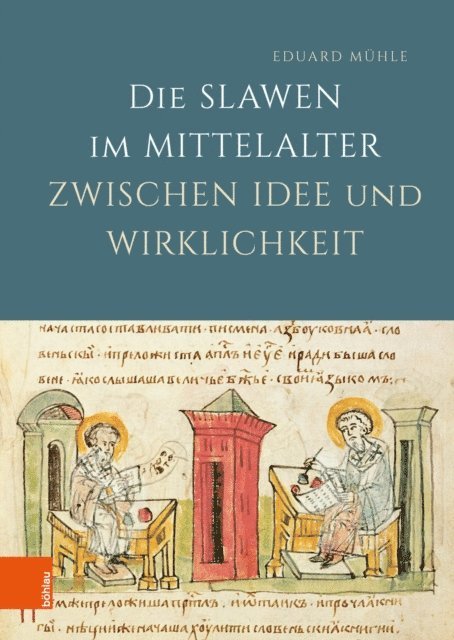
Die Slawen im Mittelalter zwischen Idee und Wirklichkeit
Av Eduard Muhle
E-bok, 2020
648 kr
Lägg i varukorg
Europa ist mit rund 250 Mio. Sprechern slawischer Sprachen zu über einem Drittel "slawisch". Was bedeutet das für das Verständnis europäischer Kultur und Geschichte? Verfügt der slawischsprachige Bevölkerungsteil Europas über ein besonderes "slawisches" Bewusstsein, eine spezifische "slawische" …
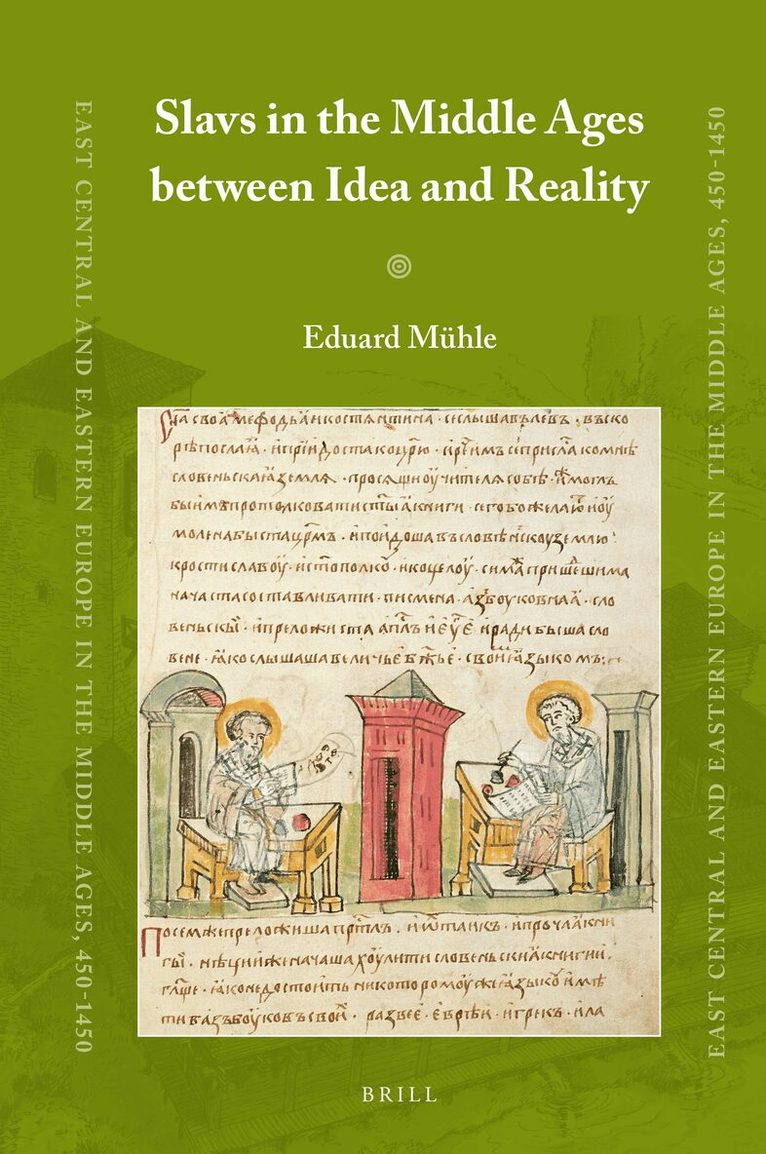
Slavs in the Middle Ages between Idea and Reality
Av Eduard Mühle
Inbunden, 2023
3090 kr
Lägg i varukorg
The book presents a new history of the Slavs during the Middle Ages. Based on in-depth source analysis, it describes on the one hand the ‘factual’ historical structures that can be discerned behind the phenomenon of ‘the Slavs’ – from the ‘early Slavic’ population groups and their first formations …