Eduardo P. Archetti - Böcker
Visar alla böcker från författaren Eduardo P. Archetti. Handla med fri frakt och snabb leverans.
6 produkter
6 produkter
2 103 kr
Skickas inom 10-15 vardagar
Guinea pigs have been reared and eaten by indigenous people in the Andes since ancient times, and it seemed rational to development planners to ‘modernize' their production. When these development projects ran into trouble, a team of anthropologists was invited to study the reasons for this lack of success. This intriguing book is the product of that study.What the author shows is that guinea pigs have a meaning in the social and ritual life of Ecuadorian peasants which is far from mundane. Rejecting the attempts of some anthropologists to reduce the production of guinea pigs and the festive life of the Andean community to a quest for protein, he explores the full complex of social and cultural practices which centre on this animal, and uses his study of its role within Andean culture to provide telling insights into how that culture itself is constituted -- its values, beliefs and attitudes. By working in a variety of communities with different ecological and ethnographic characteristics, the author has made a major contribution to ethnographic accounts of Ecuador and to the more general study of ritual, consumption and indigenous knowledge. He points us, in particular, towards the importance of the knowledge of women, who are those principally responsible for the care of an animal which is prized for its role in healing and central to Andean sociality. The book not only presents us with a colourful description of the range of cultural practices surrounding the guinea pig, ranging from the way the animals are reared, through a rich and complex cuisine, to their role in ritual life, but also highlights the way the gender dimension is central to understanding resistances to ‘modernization' and the power of ‘experts'.
548 kr
Skickas inom 10-15 vardagar
Guinea pigs have been reared and eaten by indigenous people in the Andes since ancient times, and it seemed rational to development planners to ‘modernize' their production. When these development projects ran into trouble, a team of anthropologists was invited to study the reasons for this lack of success. This intriguing book is the product of that study.What the author shows is that guinea pigs have a meaning in the social and ritual life of Ecuadorian peasants which is far from mundane. Rejecting the attempts of some anthropologists to reduce the production of guinea pigs and the festive life of the Andean community to a quest for protein, he explores the full complex of social and cultural practices which centre on this animal, and uses his study of its role within Andean culture to provide telling insights into how that culture itself is constituted -- its values, beliefs and attitudes. By working in a variety of communities with different ecological and ethnographic characteristics, the author has made a major contribution to ethnographic accounts of Ecuador and to the more general study of ritual, consumption and indigenous knowledge. He points us, in particular, towards the importance of the knowledge of women, who are those principally responsible for the care of an animal which is prized for its role in healing and central to Andean sociality. The book not only presents us with a colourful description of the range of cultural practices surrounding the guinea pig, ranging from the way the animals are reared, through a rich and complex cuisine, to their role in ritual life, but also highlights the way the gender dimension is central to understanding resistances to ‘modernization' and the power of ‘experts'.
2 103 kr
Skickas inom 10-15 vardagar
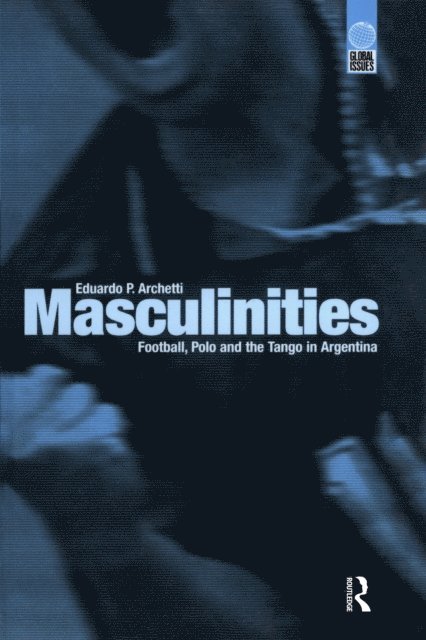
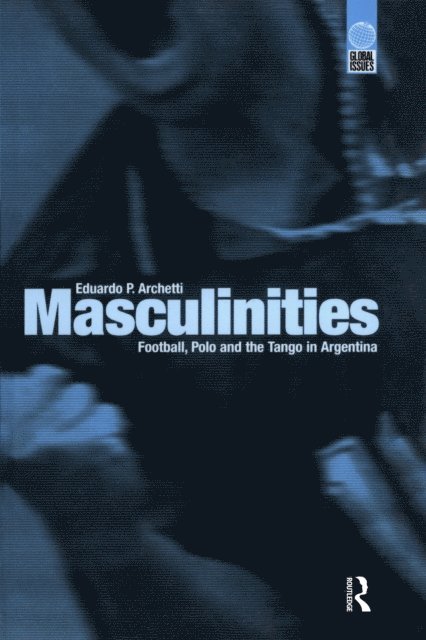
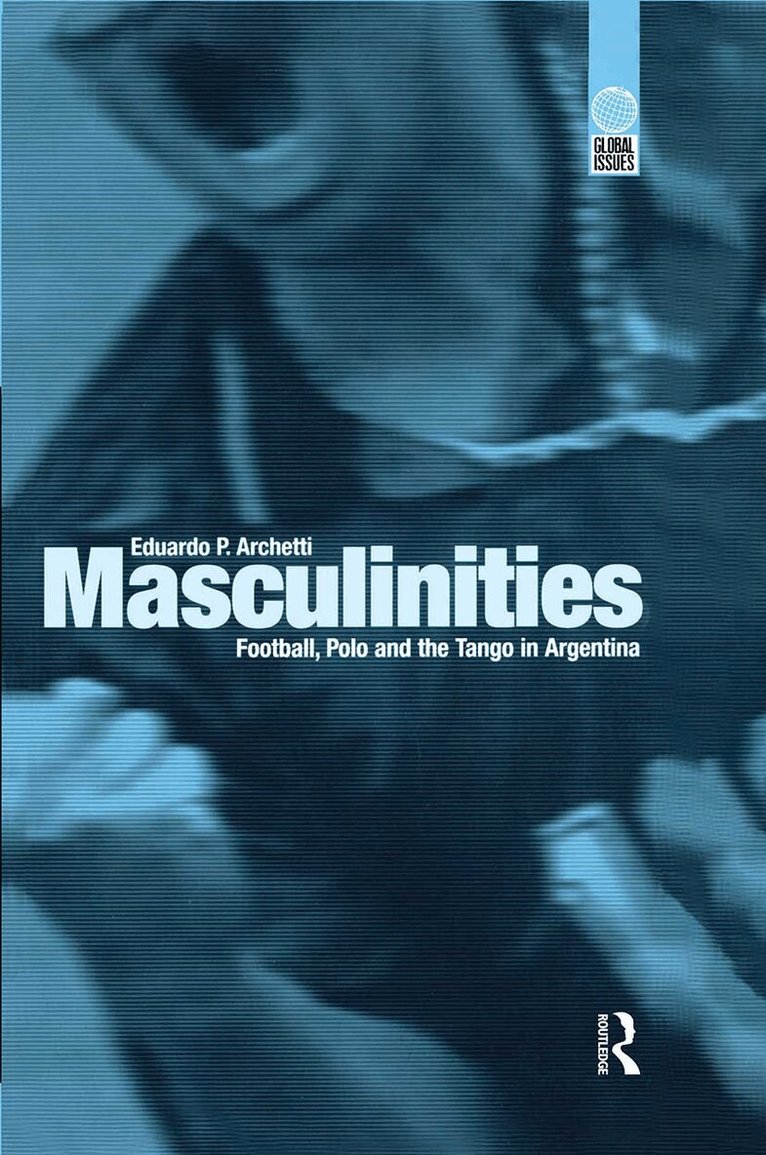
The complex relationship between nationalism and masculinity has been explored both historically and sociologically with one consistent conclusion: male concepts of courage and virility are at the core of nationalism. In this ground-breaking book, the author questions this assumption and advances the debate through an empirical analysis of masculinity in the revealing contexts of same-sex (football and polo) and cross-sex (tango) relations. Because of its rich history, Argentina provides the ideal setting in which to study the intersection of masculine and national constructs: hybridization, creolization and a culture of performance have all informed both gender and national identities. Further, the author argues that, counter to claims made by globalization theorists, the importance of performance to Argentinian men and women has a long history and has powerfully shaped the national psyche. But this book takes the analysis far beyond national boundaries to address general arguments in anthropology which are not culture-specific, and the discussion poses important comparative questions and addresses central theoretical issues, from the interplay of morality and ritual, to a comparison between the popular and the aristocratic, to the importance of ‘othering' in national constructions - particularly those relating to sport. This book represents a major contribution, not only to anthropology, but to the study of gender, nationalism and culture in its broadest sense.
575 kr
Skickas inom 10-15 vardagar
The complex relationship between nationalism and masculinity has been explored both historically and sociologically with one consistent conclusion: male concepts of courage and virility are at the core of nationalism. In this ground-breaking book, the author questions this assumption and advances the debate through an empirical analysis of masculinity in the revealing contexts of same-sex (football and polo) and cross-sex (tango) relations. Because of its rich history, Argentina provides the ideal setting in which to study the intersection of masculine and national constructs: hybridization, creolization and a culture of performance have all informed both gender and national identities. Further, the author argues that, counter to claims made by globalization theorists, the importance of performance to Argentinian men and women has a long history and has powerfully shaped the national psyche. But this book takes the analysis far beyond national boundaries to address general arguments in anthropology which are not culture-specific, and the discussion poses important comparative questions and addresses central theoretical issues, from the interplay of morality and ritual, to a comparison between the popular and the aristocratic, to the importance of ‘othering' in national constructions - particularly those relating to sport. This book represents a major contribution, not only to anthropology, but to the study of gender, nationalism and culture in its broadest sense.
2 103 kr
Skickas inom 10-15 vardagar
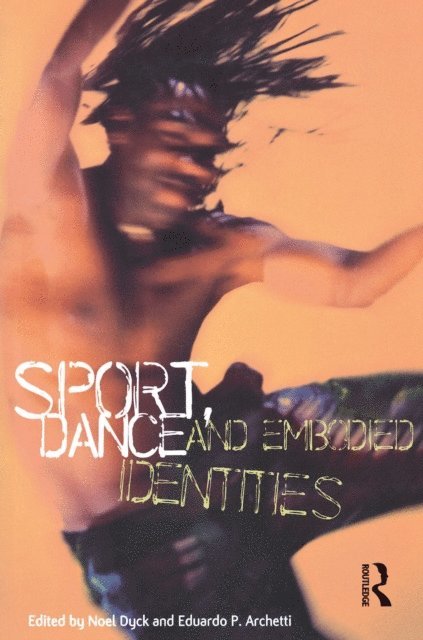
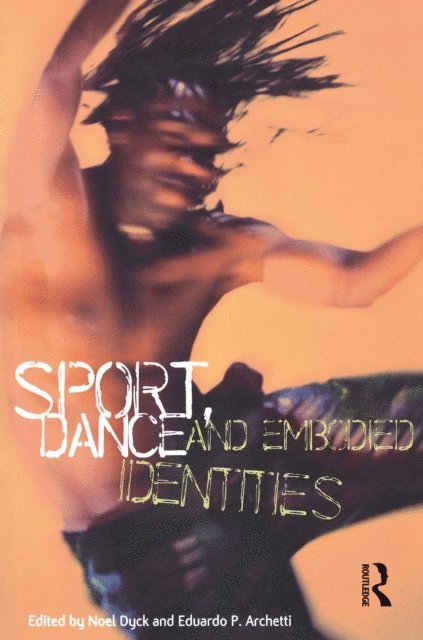
Sport and dance command the passions and devotion of countless athletes, dancers and fans worldwide. Although conventionally thought to reside within separate social realms, these two embodied cultural forms are revealed in this benchmark volume to share a vital capacity to constitute and express identities through their practiced movements and scripted forms. Thus, the work of choreographers and coaches along with the performances of dancers and athletes offer not merely entertainment and aesthetic accomplishment but also powerful means for celebrating existing social arrangements and cultural ideals or, alternately, for imagining and advocating new ones.Drawing on a wide selection of sport and dance activities from around the world, this book elucidates the ways in which embodied performances both mirror and reshape social life. It traces, for example, how football, salsa and tango can each be employed to articulate or rewrite national and gender identities. Also examined are children's sport and the dynamics by which immigration and cultural integration, along with the socialization of children and youth, may be directed through the organization of community sport. The volume investigates the marshalling of sport and dance in settings from Africa to Ireland as vehicles for framing moral issues that revolve around the appropriate use, protection and exhibition of the body. This innovative study establishes the paradoxical fashion in which dance and sport can unite certain people and communities while at the same time serving exclusionary and nationalistic purposes.
548 kr
Skickas inom 10-15 vardagar
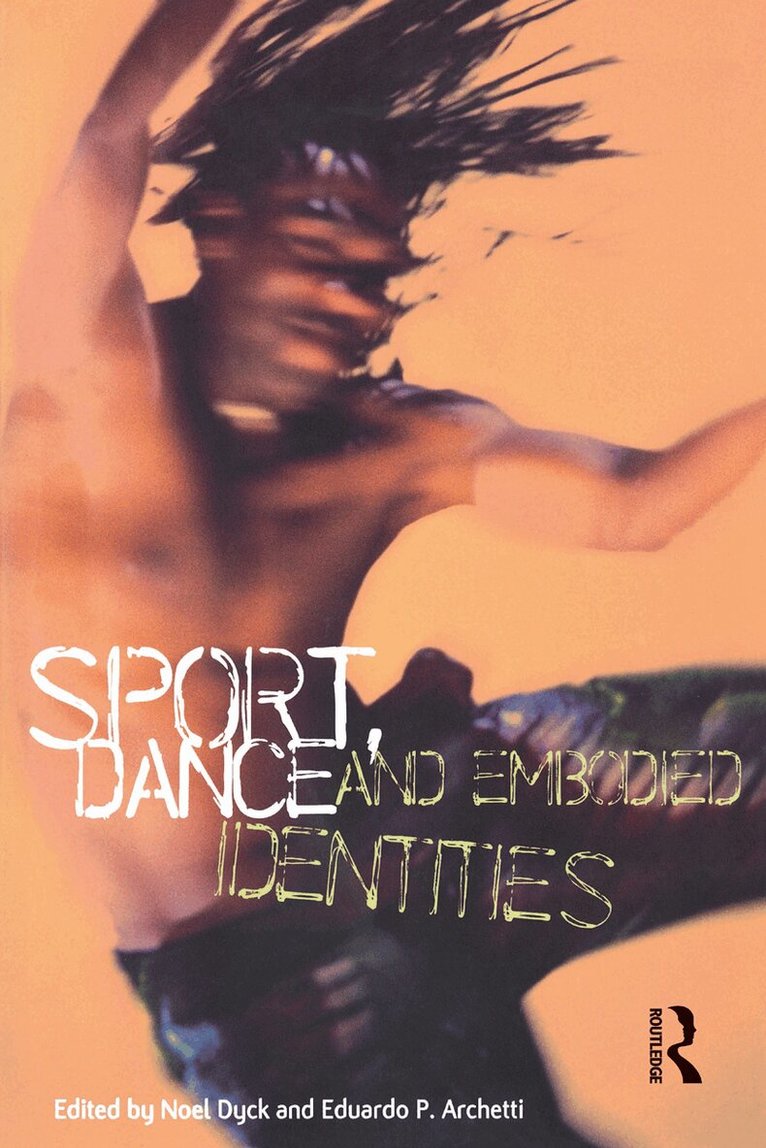
Sport and dance command the passions and devotion of countless athletes, dancers and fans worldwide. Although conventionally thought to reside within separate social realms, these two embodied cultural forms are revealed in this benchmark volume to share a vital capacity to constitute and express identities through their practiced movements and scripted forms. Thus, the work of choreographers and coaches along with the performances of dancers and athletes offer not merely entertainment and aesthetic accomplishment but also powerful means for celebrating existing social arrangements and cultural ideals or, alternately, for imagining and advocating new ones.Drawing on a wide selection of sport and dance activities from around the world, this book elucidates the ways in which embodied performances both mirror and reshape social life. It traces, for example, how football, salsa and tango can each be employed to articulate or rewrite national and gender identities. Also examined are children's sport and the dynamics by which immigration and cultural integration, along with the socialization of children and youth, may be directed through the organization of community sport. The volume investigates the marshalling of sport and dance in settings from Africa to Ireland as vehicles for framing moral issues that revolve around the appropriate use, protection and exhibition of the body. This innovative study establishes the paradoxical fashion in which dance and sport can unite certain people and communities while at the same time serving exclusionary and nationalistic purposes.