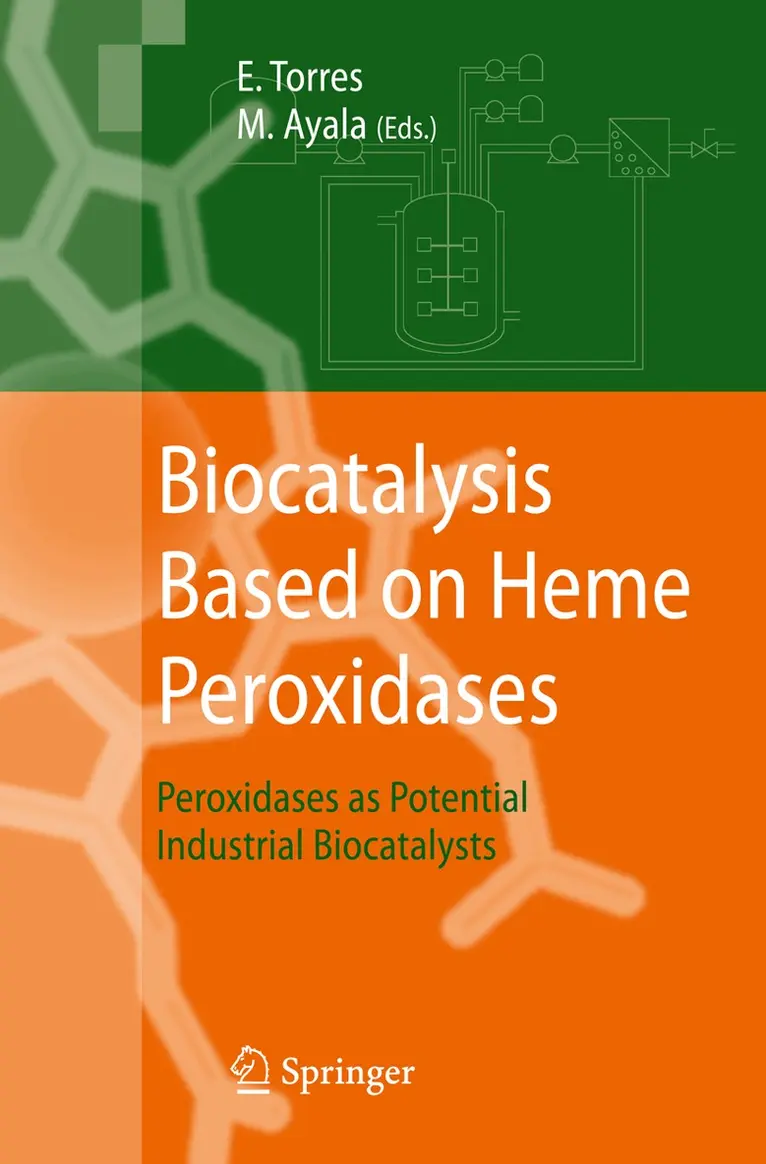
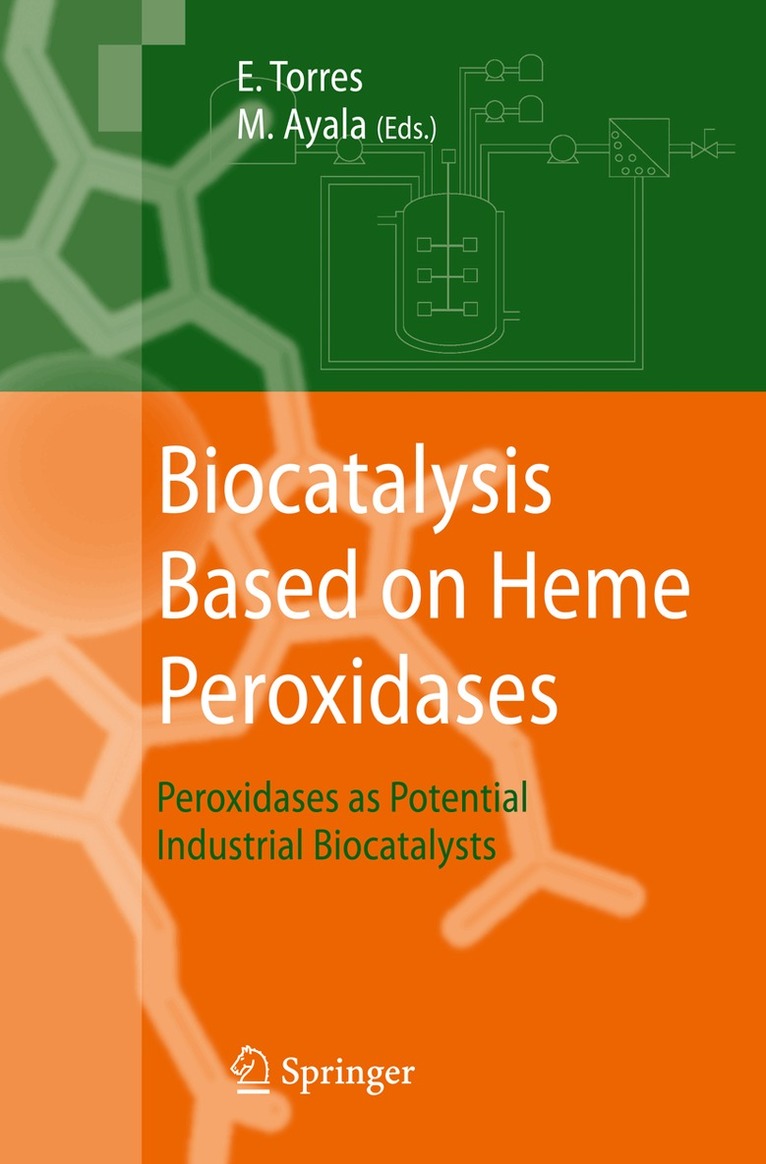
The last systematic description of heme peroxidases was published in 1999 by Brian Dunford, from the University of Alberta in Canada. The book Heme per- idases covers discussion on three-dimensional structure, reaction mechanism, kinetics, and spectral properties of representative enzymes from bacterial, plant, fungal, and animal origin. Since 1999, vast information on basic but also applied aspects of heme peroxidases has been generated. We believe fusion of these two aspects will bene?t research of those dedicated to development of biocatalytic process. The aim of this book is to present recent advances on basic aspects such as evolution, structure–function relation, and catalytic mechanism, as well as applied aspects, such as bioreactor and protein engineering, in order to provide the tools for rational design of enhanced biocatalysts and biocatalytic processes. The book does not include an exhaustive listing of references but rather a selected collection to enrich discussion and to allow envisioning future directions for research. This book is organized in three parts. In Part I, current knowledge of structure and mechanism of peroxidases is covered. From the molecular phylogeny, going through the in?uence of structural factors over oxidative ability to the molecular mechanism of catalysis, the authors intend to provide an understanding of per- idases at the molecular level. The understanding of the fundamental behavior of peroxidases will allow further adequation, design, and/or optimization of pero- dase-based catalysis to a particular process. In Part II, research on potential applications of peroxidases in several ?elds is presented and discussed.
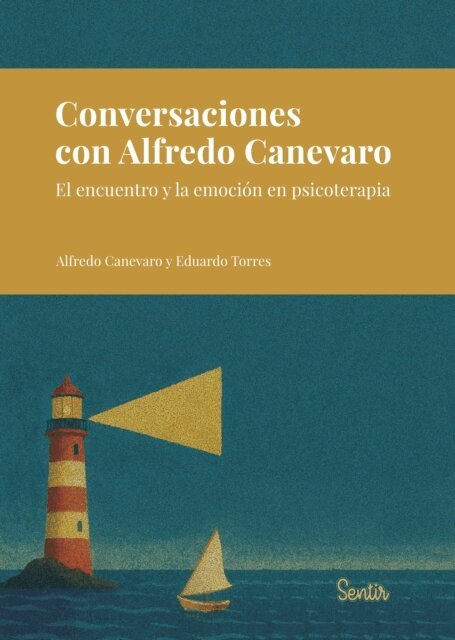
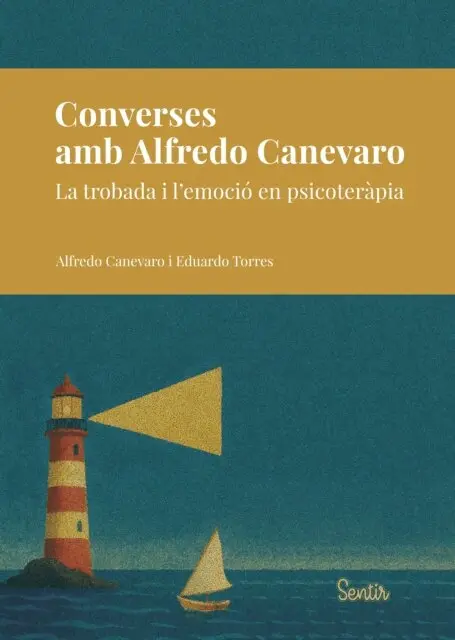
Descubra el valioso diálogo entre dos generaciones de psicoterapeutas: Alfredo Canevaro, referente internacional en la psicoterapia sistémica, y Eduardo Torres, psicoterapeuta y profesor universitario en Madrid. Este es un encuentro que no solo une trayectorias, sino que propone una reflexión profunda sobre la práctica contemporánea de la psicoterapia y el modelo de trabajo desarrollado por Canevaro.Durante una intensa semana de conversaciones en Macerata (Italia), ambos autores comparten vivencias, cuestionamientos y certezas. Lo hacen a través de tres grandes ejes -Pensar, Hacer y Sentir en psicoterapia-, que abren la puerta a una forma de trabajo centrada en la experiencia, el vínculo y la emoción.Este libro es mucho más que una conversación. Es una transmisión viva del saber terapéutico, construida desde la honestidad, la escucha y el respeto mutuo. Un testimonio íntimo y riguroso que reivindica la esencia del encuentro: entre generaciones, entre disciplinas, entre terapeuta y paciente.Si ejerce la psicoterapia, la enseña o la siente como una vocación, estas páginas le invitan a detenerse, a pensar y a reconectar con aquello que da sentido a la práctica: el poder del encuentro.
Descobreix el valuós diàleg entre dues generacions de psicoterapeutes: Alfredo Canevaro, referent internacional en la psicoteràpia sistèmica, i Eduardo Torres, psicoterapeuta i professor universitari a Madrid. Aquesta és una trobada que no només uneix trajectòries, sinó que proposa una reflexió profunda sobre la pràctica contemporània de la psicoteràpia i el model de treball desenvolupat per Canevaro. Durant una intensa setmana de converses a Macerata (Itàlia), tots dos autors comparteixen vivències, qüestionaments i certeses. Ho fan a través de tres grans eixos -pensar, fer i sentir en psicoteràpia-, que obren la porta a una forma de treball centrada en l''experiència, el vincle i l''emoció. Aquest llibre és molt més que una conversa. És una transmissió viva del saber terapèutic, construïda des de l''honestedat, l''escolta i el respecte mutu. Un testimoni íntim i rigorós que reivindica l''essència de la trobada: entre generacions, entre disciplines, entre terapeuta i pacient. Si exerceixes la psicoteràpia, l''ensenyes i la sents com una vocació, aquestes pàgines t''invitaran a aturar-te, a pensar i a reconnectar amb allò que dona sentit a la pràctica: el poder de la trobada.