Edward Chancellor – författare
Visar alla böcker från författaren Edward Chancellor. Handla med fri frakt och snabb leverans.
14 produkter
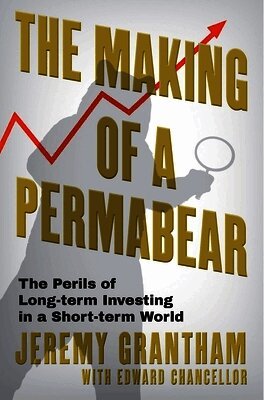
Making of a Permabear
As seen on Steven Bartlett's THE DIARY OF A CEO
Av Jeremy Grantham, Edward Chancellor
Inbunden, 2026
269 kr
Lägg i varukorg
As seen on Steven Bartlett's The Diary of a CEO'[A] fine and essential work' Wall Street Journal'Fascinating from beginning to end' Bloomberg'Insightful and droll' Financial TimesWhen Jeremy Grantham entered the investment business in the 1960s, he brought the thrifty Yorkshire values he had been …
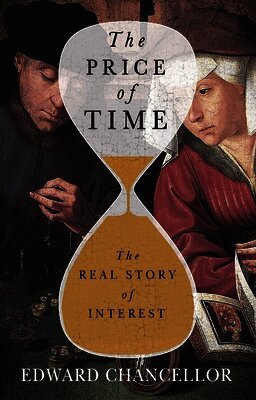
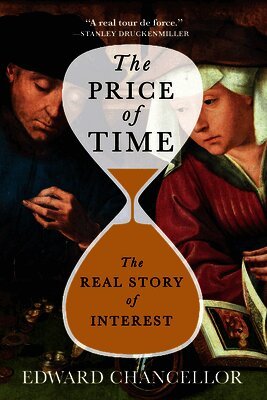
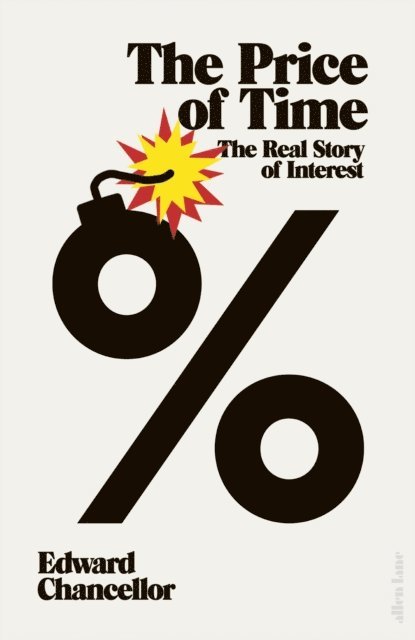
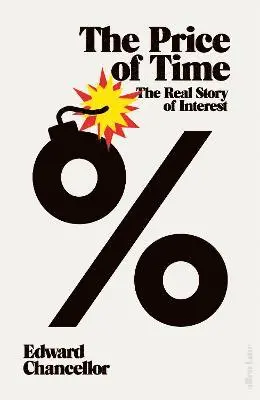
Price of Time
The Real Story of Interest
Häftad, 2023
147 kr
Lägg i varukorg
The first book of the next crisis. A history of interest rates by a leading financial commentator, updated with a new postscript.*Winner of the 2023 Hayek Book Prize**Longlisted for the 2022 Financial Times Business Book of the Year Award*All economic and financial activities take place across …
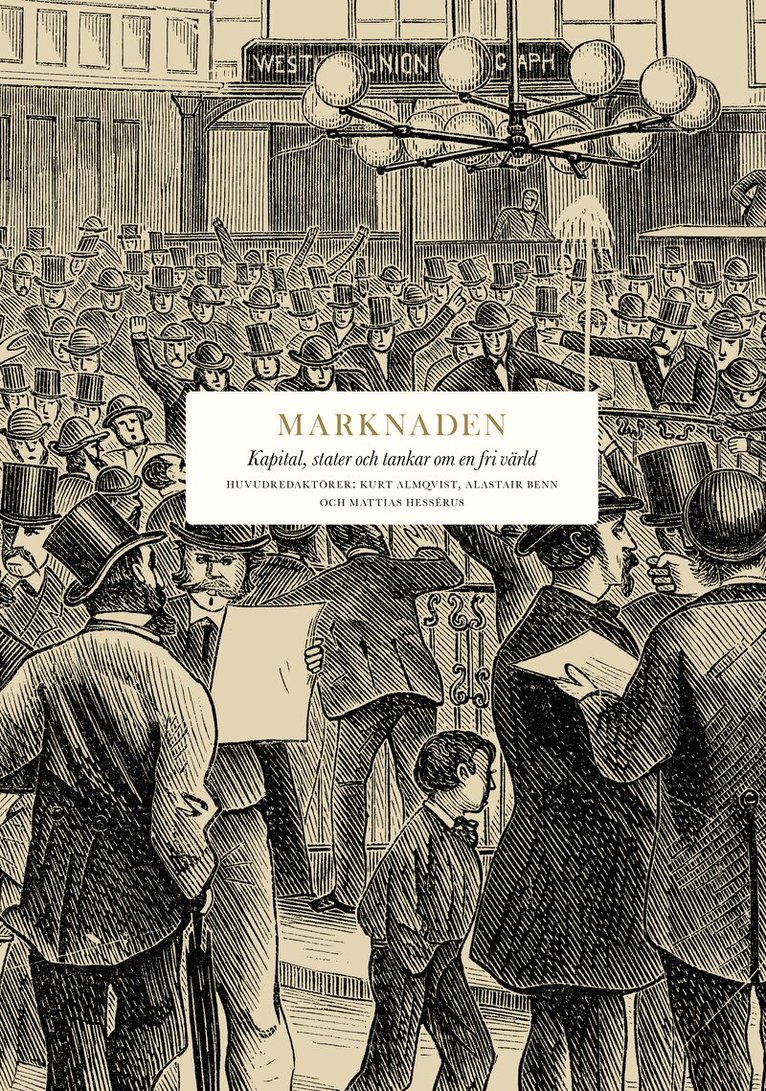
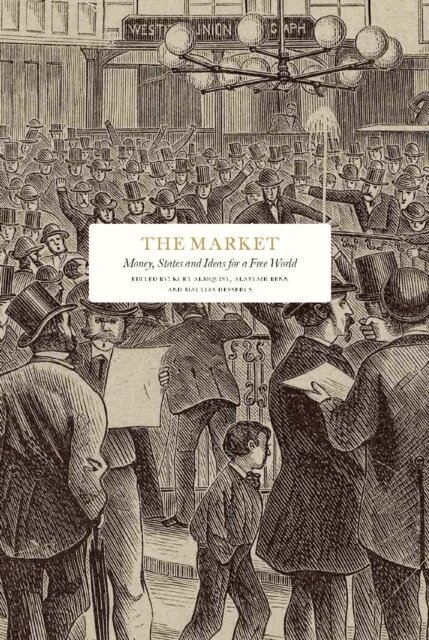
Marknaden : kapital, stater och tankar om en fri värld
Av David Abulafia, Ali Ansari m. fl.
Inbunden, 2026
199 kr
Lägg i varukorg
Från det romerska torget till digitala valutor – hur har marknaden utvecklats under historiens gång och hur kan den komma att se ut i framtiden? Denna antologi gör en djupdykning i marknadsutvecklingen och tittar närmare på marknaders avgörande roll i att utforma samtiden men tar också upp den …
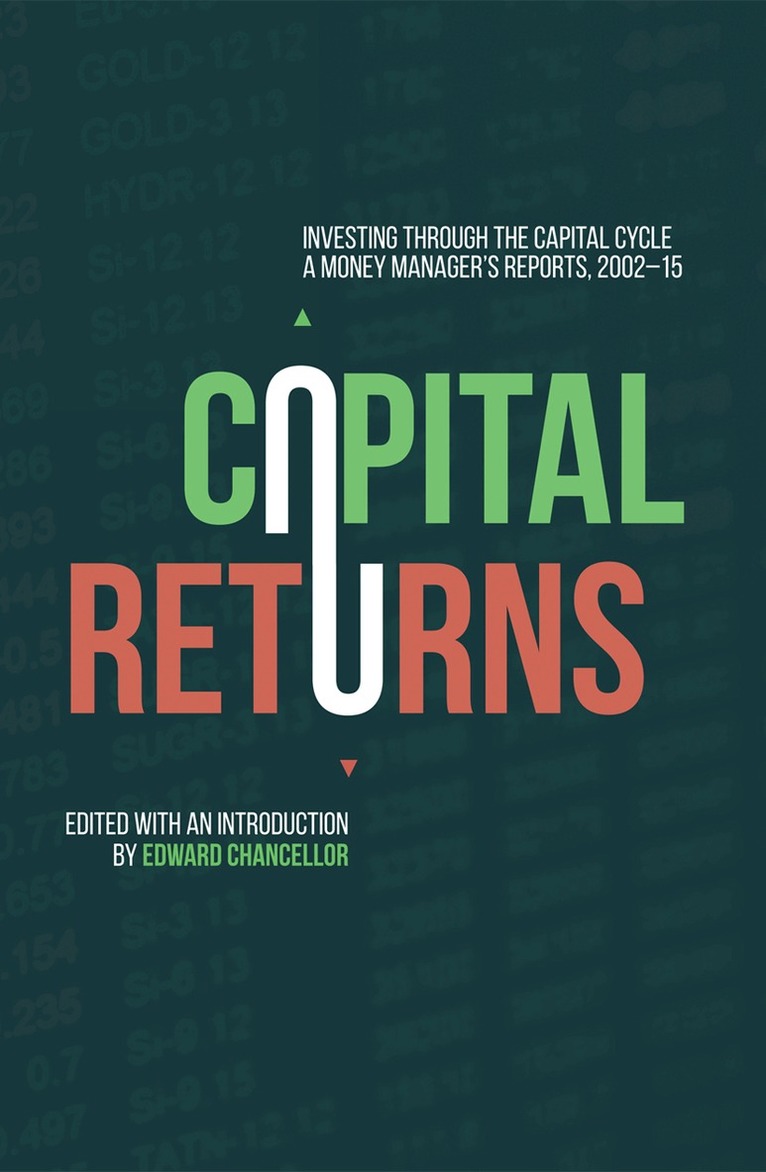
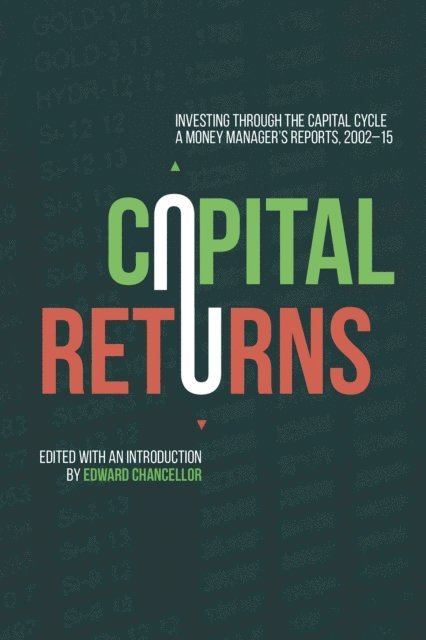
Capital Returns
Investing Through the Capital Cycle: A Money Manager’s Reports 2002-15
Inbunden, 2015
794 kr
Lägg i varukorg
We live in an age of serial asset bubbles and spectacular busts. Economists, policymakers, central bankers and most people in the financial world have been blindsided by these busts, while investors have lost trillions. Economists argue that bubbles can only be spotted after they burst and that …
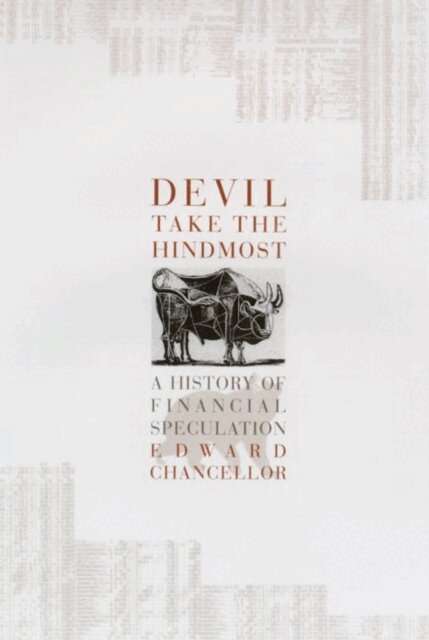
Devil Take the Hindmost
A History of Financial Speculation
Häftad, 2028
171 kr
Kommande
In Devil Take the Hindmost, Edward Chancellor traces the origins of the speculative spirit back to the publicani of ancient Rome and chronicles its revival in the modern world: from the tulip scandal of 1630s Holland and ‘stockjobbing’ in London's Exchange Alley, to the infamous South Sea Bubble of …
The market : money, states and ideas for a free world
Money, States and Ideas for a Free World
Av Linda Yueh, David Wootton m. fl.
Inbunden, 2025
224 kr
Lägg i varukorg
Från det romerska torget till digitala valutor hur har marknaden utvecklats under historiens gång och hur kan den komma att se ut i framtiden? Denna antologi gör en djupdykning i marknadsutvecklingen och tittar närmare på marknaders avgörande roll i att utforma samtiden men tar också upp den …
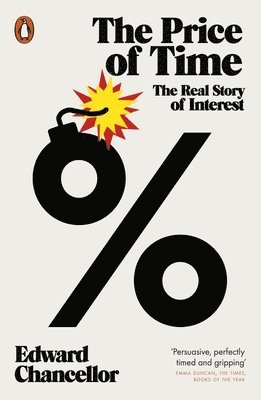
Price of Time
The Real Story of Interest
Häftad, 2026
266 kr
Lägg i varukorg
Winner of the 2023 Hayek Book Prize Longlisted for the 2022 Financial Times Business Book of the Year Award A comprehensive and profoundly relevant history of interest from one of the worlds leading financial writers, The Price of Time explains our current global financial position and how we got …
Devil Take the Hindmost
A History of Financial Speculation
E-bok, 2025
201 kr
Lägg i varukorg
Edward Chancellor's lively and authoritative classic study of speculation from early modern times to the present.Sweeping, engaging, and perennially relevant, Devil Take the Hindmost traces the story of financial speculation back from ancient Rome to its revival in the modern world. Edward …
Capital Returns
Investing Through the Capital Cycle: A Money Manager’s Reports 2002-15
E-bok, 2016
1070 kr
Lägg i varukorg
We live in an age of serial asset bubbles and spectacular busts. Economists, policymakers, central bankers and most people in the financial world have been blindsided by these busts, while investors have lost trillions. Economists argue that bubbles can only be spotted after they burst and that …
Price of Time
The Real Story of Interest
E-bok, 2022
125 kr
Lägg i varukorg
The first book of the next crisis. A history of interest rates by a leading financial commentator, updated with a new postscript.*Winner of the 2023 Hayek Book Prize**Longlisted for the 2022 Financial Times Business Book of the Year Award*All economic and financial activities take place across …
Price of Time
The Real Story of Interest
Ljudbok, 2022
210 kr
Lägg i varukorg
Brought to you by Penguin. The first book of the next crisis. All economic and financial activities take place across time. Interest coordinates these activities. The story of capitalism is thus the story of interest: the price that individuals, companies and nations pay to borrow money. In The …
Devil Take the Hindmost
A History of Financial Speculation
Häftad, 2027
236 kr
Tillfälligt slut
Edward Chancellor's lively and authoritative study of speculation from early modern times to the present. Sweeping, engaging, and perennially relevant, Devil Take the Hindmost traces the story of financial speculation back from ancient Rome to its revival in the modern world. Edward Chancellor …