Edward G. Lyon - Böcker
Visar alla böcker från författaren Edward G. Lyon. Handla med fri frakt och snabb leverans.
4 produkter
4 produkter
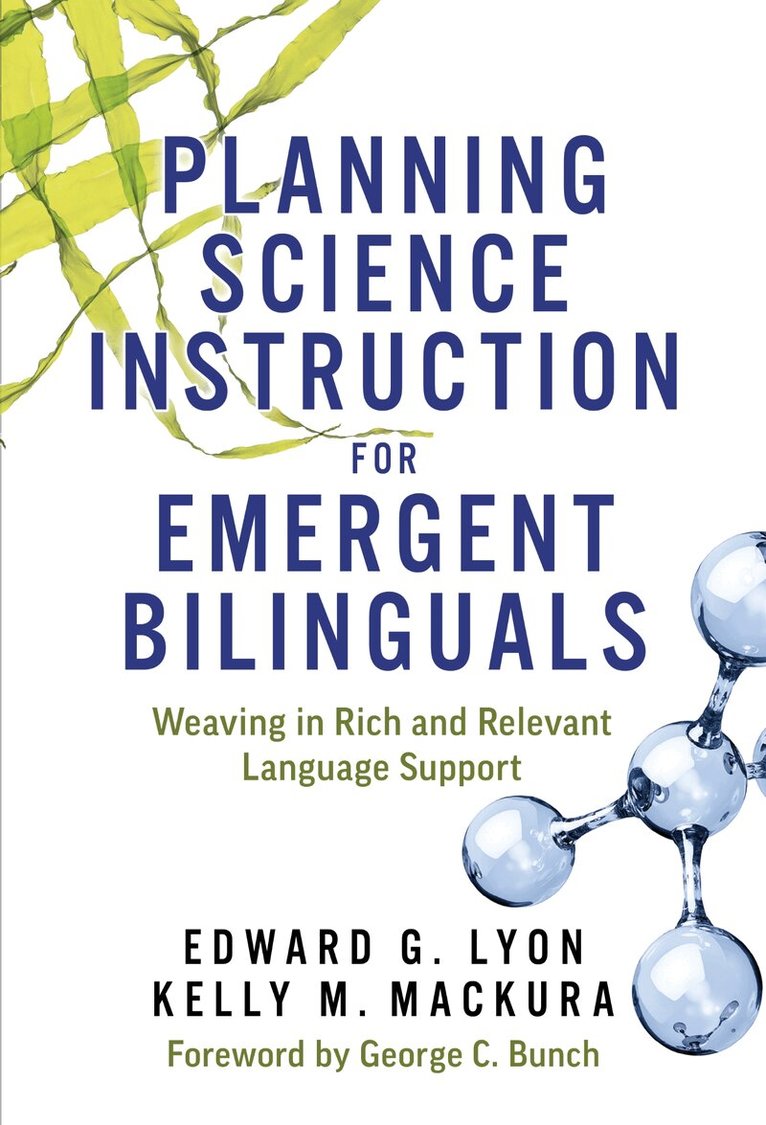
Planning Science Instruction for Emergent Bilinguals
Weaving in Rich and Relevant Language Support
Häftad, Engelska, 2023
377 kr
Skickas inom 7-10 vardagar
This practical resource takes educators through a planning process—from selecting standards to designing learning activities—that weaves together language, literacy, and science in ways that are responsive to emergent bilinguals. Drawing on extensive and current research, the authors show how secondary educators can use students' own language and lived experiences, coupled with authentic science practices, to provide rich and relevant language support. Using a science unit as a shared text, readers will learn how to gather rich knowledge about emergent bilinguals, unpack the ideas and language demands of Next Generation Science Standards, strategically embed language and literacy standards in the curriculum, and sequence learning activities around an anchoring phenomenon, a text, and an assessment. In the process, readers will come away with a repertoire of planning tools and examples of how to support emergent bilinguals in using language to collaborate with others and to interpret and produce texts that are central to learning and doing science. Planning Science Instruction for Emergent Bilinguals blends theory and practice so readers understand both how and why this planning process can be used to disrupt social inequity for emergent bilinguals. Book Features:Describes intentional decisions that educators can make when planning a science unit or learning experience.Shows how to weave together Next Generation Science Standards, Common Core English Language Arts Standards, and language development.Provides a model unit about kelp forest ecosystems to illustrate how theory is translated into practice.Demonstrates how to use emergent bilinguals' assets (linguistic skills, family experiences, personal interests) to create engaging science instruction. Provides a set of planning tools, including both blank templates and completed examples, to guide educators through the planning process.
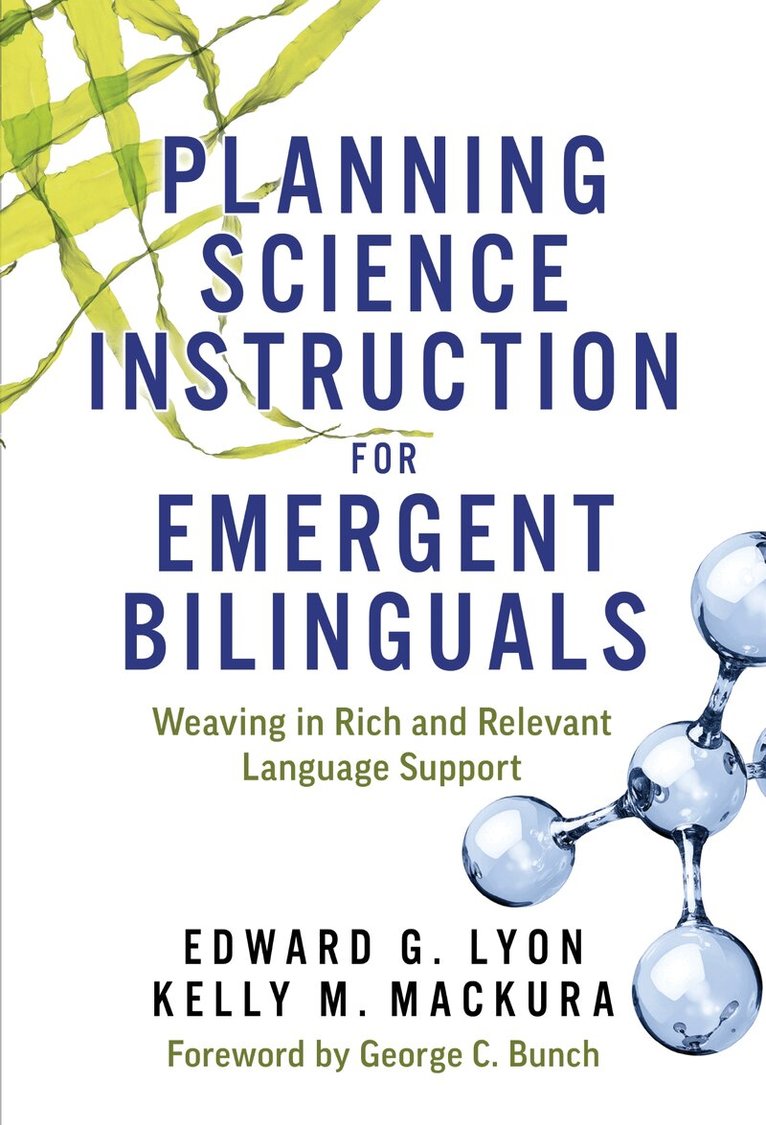
Planning Science Instruction for Emergent Bilinguals
Weaving in Rich and Relevant Language Support
Inbunden, Engelska, 2023
1 144 kr
Skickas inom 7-10 vardagar
This practical resource takes educators through a planning process—from selecting standards to designing learning activities—that weaves together language, literacy, and science in ways that are responsive to emergent bilinguals. Drawing on extensive and current research, the authors show how secondary educators can use students' own language and lived experiences, coupled with authentic science practices, to provide rich and relevant language support. Using a science unit as a shared text, readers will learn how to gather rich knowledge about emergent bilinguals, unpack the ideas and language demands of Next Generation Science Standards, strategically embed language and literacy standards in the curriculum, and sequence learning activities around an anchoring phenomenon, a text, and an assessment. In the process, readers will come away with a repertoire of planning tools and examples of how to support emergent bilinguals in using language to collaborate with others and to interpret and produce texts that are central to learning and doing science. Planning Science Instruction for Emergent Bilinguals blends theory and practice so readers understand both how and why this planning process can be used to disrupt social inequity for emergent bilinguals. Book Features:Describes intentional decisions that educators can make when planning a science unit or learning experience.Shows how to weave together Next Generation Science Standards, Common Core English Language Arts Standards, and language development.Provides a model unit about kelp forest ecosystems to illustrate how theory is translated into practice.Demonstrates how to use emergent bilinguals' assets (linguistic skills, family experiences, personal interests) to create engaging science instruction. Provides a set of planning tools, including both blank templates and completed examples, to guide educators through the planning process.
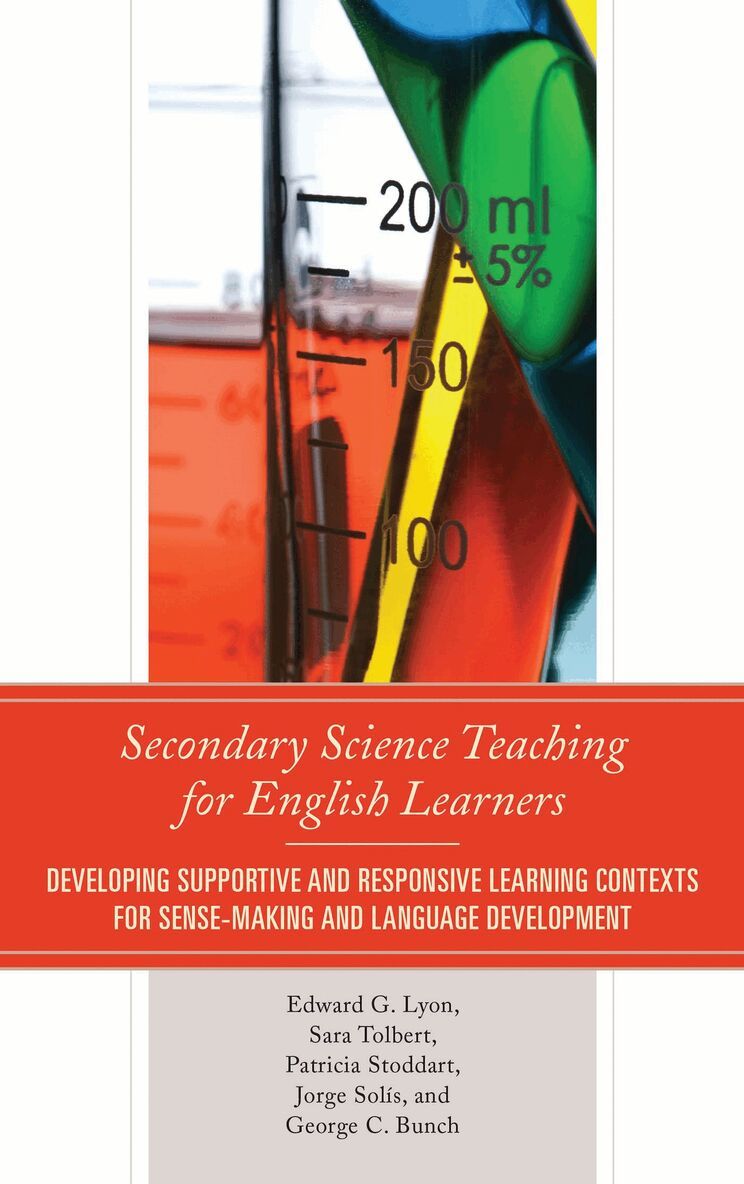
Secondary Science Teaching for English Learners
Developing Supportive and Responsive Learning Contexts for Sense-Making and Language Development
Inbunden, Engelska, 2016
1 175 kr
Skickas inom 10-15 vardagar
Secondary Science Teaching for English Learners: Developing Supportive and Responsive Learning Context for Sense-making and Language Development provides a resource for multiple audiences, including pre- and in-service secondary science teachers, science teacher educators, instructional coaches, curriculum specialists, and administrators, to learn about a research-based approach to teaching science that responds to the growing population of English learners in the United States. The book offers clear definitions of pedagogical practices supported by classroom examples and a cohesive framework for teaching science in linguistically diverse classrooms. The Secondary Science Teaching with English Language and Literacy Acquisition (or SSTELLA) Framework addresses how learning science is enhanced through meaningful and relevant learning experiences that integrate discipline-specific literacy. In particular, four core science teaching practices are described: (1) contextualized science activity, (2) scientific sense-making through scientific and engineering practices, (3) scientific discourse, and (4) English language and disciplinary literacy development. These four core practices are supported by sound theory and research based on unscripted guidelines and flexible modifications of science lessons. Moreover, the four interrelated practices promote students’ use of core science ideas while reading, writing, talking, and doing science, thus reflecting principles from Next Generation Science Standards, Common Core State Standards for English Language Arts, and English language proficiency standards. Secondary Science Teaching provides readers with a historical and theoretical basis for integrating language, literacy, and science in multilingual science classrooms, and well as explicit models and guided support teachers in enacting effective teaching practices in the classroom, including comparative vignettes to distinguish between different types of classroom practice.
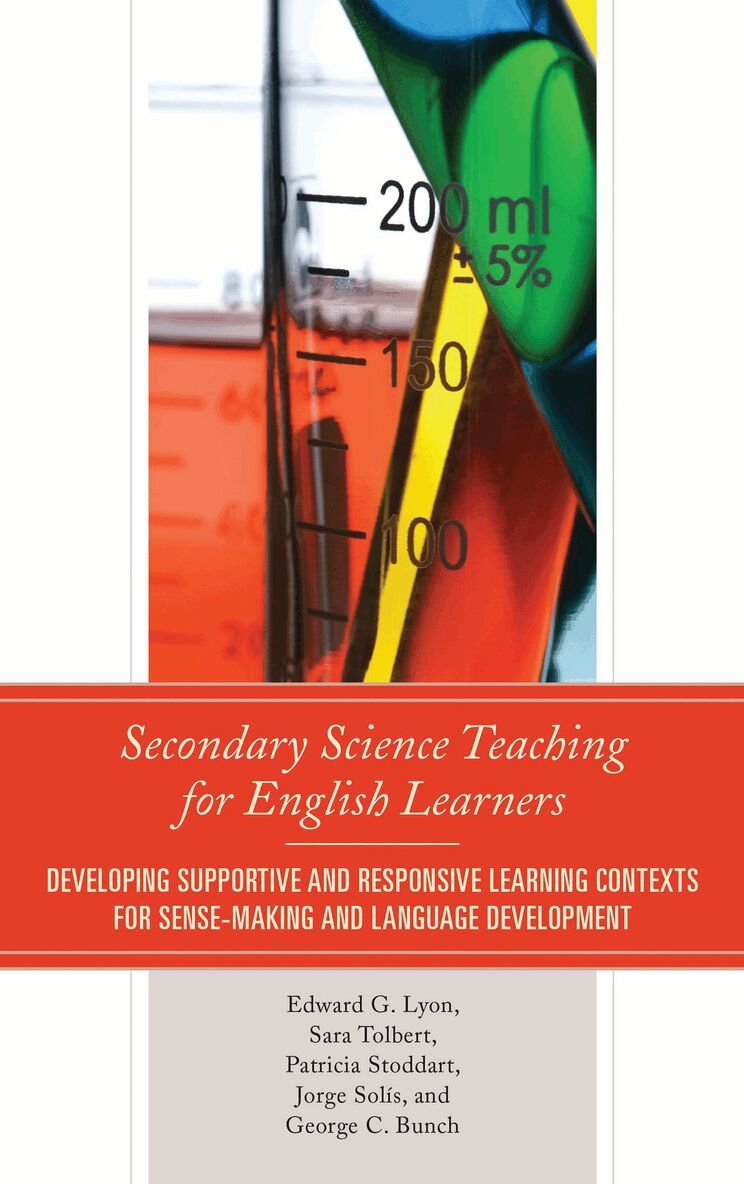
Secondary Science Teaching for English Learners
Developing Supportive and Responsive Learning Contexts for Sense-Making and Language Development
Häftad, Engelska, 2016
552 kr
Skickas inom 10-15 vardagar
Secondary Science Teaching for English Learners: Developing Supportive and Responsive Learning Context for Sense-making and Language Development provides a resource for multiple audiences, including pre- and in-service secondary science teachers, science teacher educators, instructional coaches, curriculum specialists, and administrators, to learn about a research-based approach to teaching science that responds to the growing population of English learners in the United States. The book offers clear definitions of pedagogical practices supported by classroom examples and a cohesive framework for teaching science in linguistically diverse classrooms. The Secondary Science Teaching with English Language and Literacy Acquisition (or SSTELLA) Framework addresses how learning science is enhanced through meaningful and relevant learning experiences that integrate discipline-specific literacy. In particular, four core science teaching practices are described: (1) contextualized science activity, (2) scientific sense-making through scientific and engineering practices, (3) scientific discourse, and (4) English language and disciplinary literacy development. These four core practices are supported by sound theory and research based on unscripted guidelines and flexible modifications of science lessons. Moreover, the four interrelated practices promote students’ use of core science ideas while reading, writing, talking, and doing science, thus reflecting principles from Next Generation Science Standards, Common Core State Standards for English Language Arts, and English language proficiency standards. Secondary Science Teaching provides readers with a historical and theoretical basis for integrating language, literacy, and science in multilingual science classrooms, and well as explicit models and guided support teachers in enacting effective teaching practices in the classroom, including comparative vignettes to distinguish between different types of classroom practice.