Edward G. Miller – författare
Visar alla böcker från författaren Edward G. Miller. Handla med fri frakt och snabb leverans.
2 produkter
2 produkter
Häftad, Engelska, 2003
244 kr
Skickas inom 10-15 vardagar
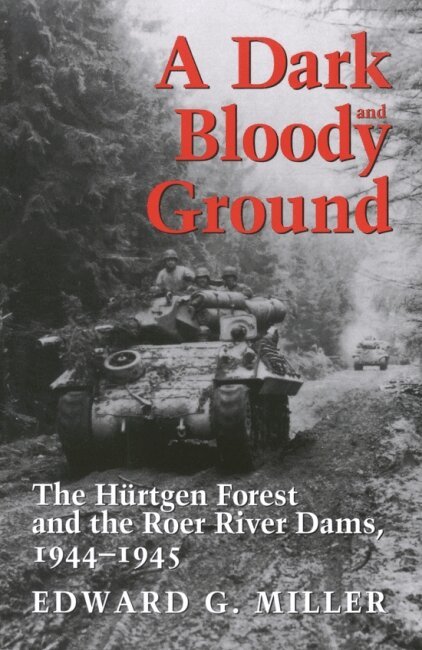
This work examines the ominous prelude to the Battle of the Bulge and reveals one of the US Army's bloodiest nightmares of World War II. In late 1944, the American army had pushed through Belgium almost unopposed. As small units advanced into the hilly woods south-east of Aachen, Germany, they encountered a forest bristling with German troops. The face-off took place in some of Germany's most rugged territory and in rain, sleet and freezing temperatures. For weeks US commanders ordered units of as many as seven divisions into the woods to be chewed up by German infantry and artillery. The book's description of the battle is based on government records, a large selection of first-hand accounts from veterans of both sides, and the author's visits to the battlefields.
Häftad, Engelska, 2026
465 kr
Skickas inom 3-6 vardagar
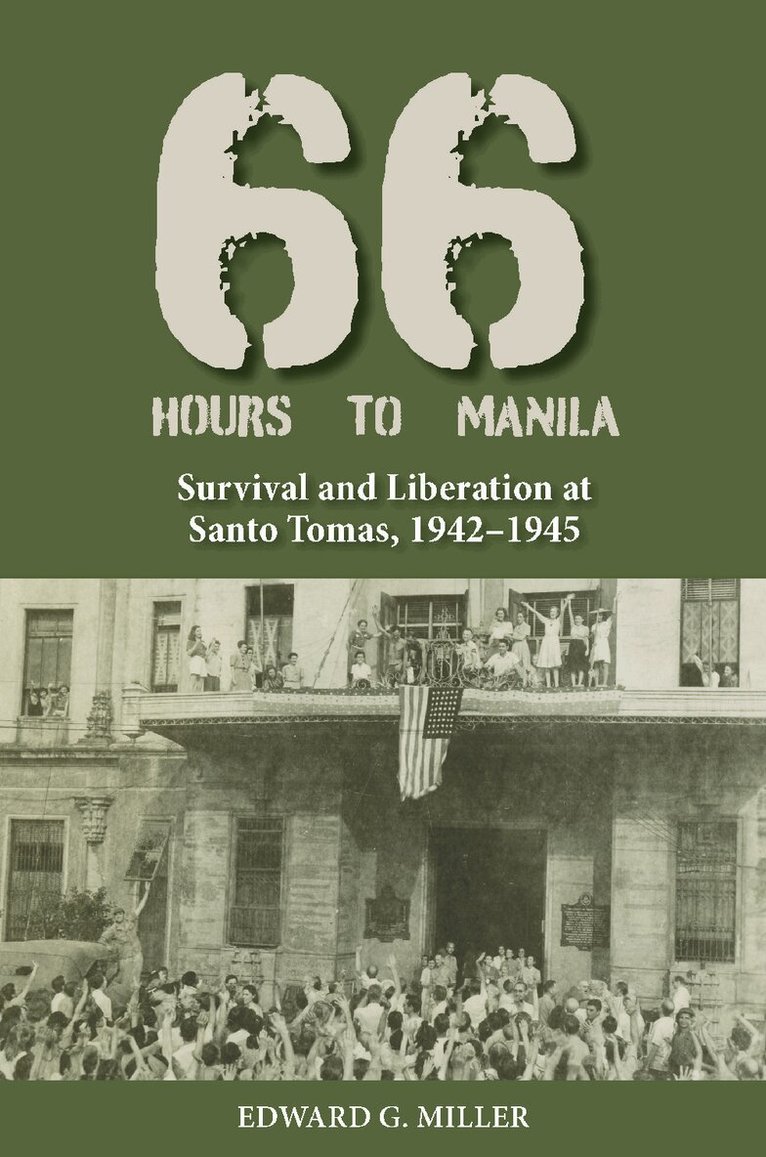
At 85 years of age, reflecting on his experiences in the Pacific Theater in World War II, former US Army cavalry soldier Warren E. Murtha said, “The proudest moment of my life occurred when I went through the gate at Santo Tomas in Manila and I saw the faces of the prisoners—the men, women, and children—their smiles, their expressions of relief and gratitude. . . . Suddenly I knew why we were on this mission . . . I thought to myself . . . all of it had been worthwhile in return for this one moment.”During World War II, the Japanese government held over 130,000 “enemy alien” civilians throughout the Pacific—including nearly 78,000 women and children. Most of the 7,800 civilians rounded up in the Philippines were American expatriates, and at any one time, about half of these were held at the campus of the University of Santo Tomas in Manila. By late 1944, Washington, DC, was concerned that any ground gained as the US Army approached Manila in the early days of the new year would result in execution of the prisoners. Out of other options, a risky behind-the-lines attack was launched with 20,000 Japanese soldiers and 100 miles standing between the captives and their liberators.Until now, no book has effectively blended the story of the internees with the military operation to free them. Discussing uncomfortable topics such as racism, collaboration with the enemy, and illicit personal relationships, Sixty-Six Hours to Manila: Survival and Liberation at Santo Tomas, 1942–1945 shines new light on what has largely been a neglected chapter in the story of World War II in the Pacific.