Edward H. Spence – författare
Visar alla böcker från författaren Edward H. Spence. Handla med fri frakt och snabb leverans.
16 produkter
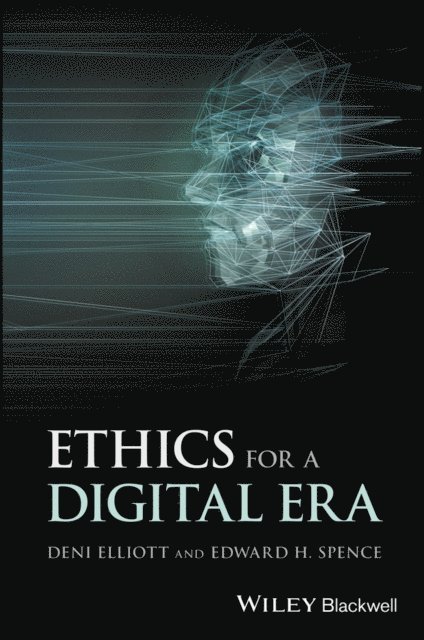
Ethics for a Digital Era
Av Edward H. Spence, Deni Elliott
E-bok, 2018
1157 kr
Lägg i varukorg
"Elliott and Spence have produced a tight, teachable, and timely primer on media ethics for users and creators of information in the digital age. Pitched at just the right depth of detail to provide a big picture contextualization of changing media practices grounded in concerns for democracy and …
Ethics for a Digital Era
Av Edward H. Spence, Deni Elliott
E-bok, 2017
423 kr
Lägg i varukorg
"Elliott and Spence have produced a tight, teachable, and timely primer on media ethics for users and creators of information in the digital age. Pitched at just the right depth of detail to provide a big picture contextualization of changing media practices grounded in concerns for democracy and …
Ethics for a Digital Era
Av Deni Elliott, Edward H. Spence
Häftad, 2017
370 kr
Lägg i varukorg
"Elliott and Spence have produced a tight, teachable, and timely primer on media ethics for users and creators of information in the digital age. Pitched at just the right depth of detail to provide a big picture contextualization of changing media practices grounded in concerns for democracy and …
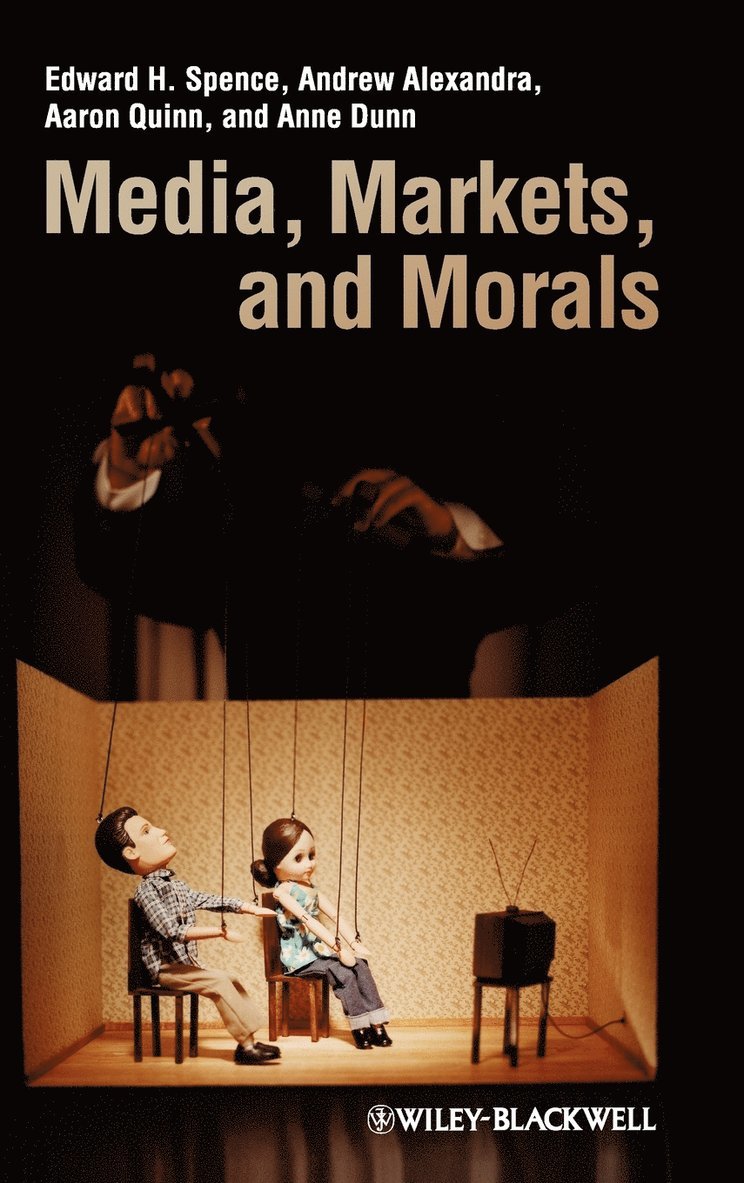
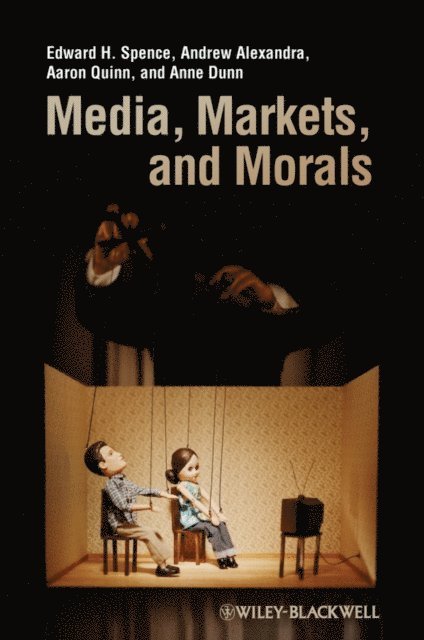
Media, Markets, and Morals
Av Edward H. Spence, Andrew Alexandra m. fl.
Inbunden, 2011
955 kr
Lägg i varukorg
Media, Markets, and Morals provides an original ethical framework designed specifically for evaluating ethical issues in the media, including new media. The authors apply their account of the moral role of the media, in their dual capacity as information providers for the public good and as …
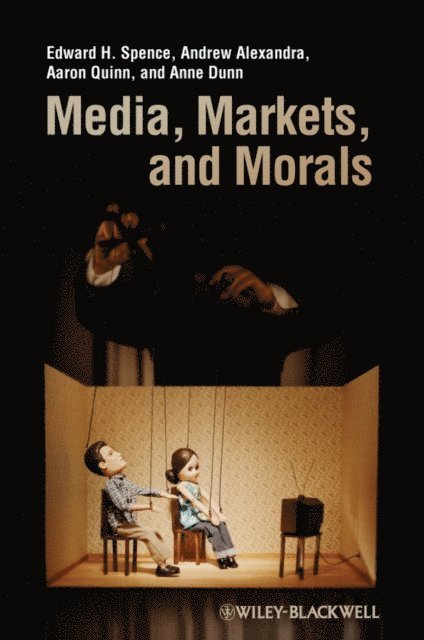
Media, Markets, and Morals
Av Anne Dunn, Aaron Quinn m. fl.
E-bok, 2011
1108 kr
Lägg i varukorg
Media, Markets, and Morals provides an original ethical framework designed specifically for evaluating ethical issues in the media, including new media. The authors apply their account of the moral role of the media, in their dual capacity as information providers for the public good and as …
Media, Markets, and Morals
Av Anne Dunn, Aaron Quinn m. fl.
E-bok, 2011
440 kr
Lägg i varukorg
Media, Markets, and Morals provides an original ethical framework designed specifically for evaluating ethical issues in the media, including new media. The authors apply their account of the moral role of the media, in their dual capacity as information providers for the public good and as …
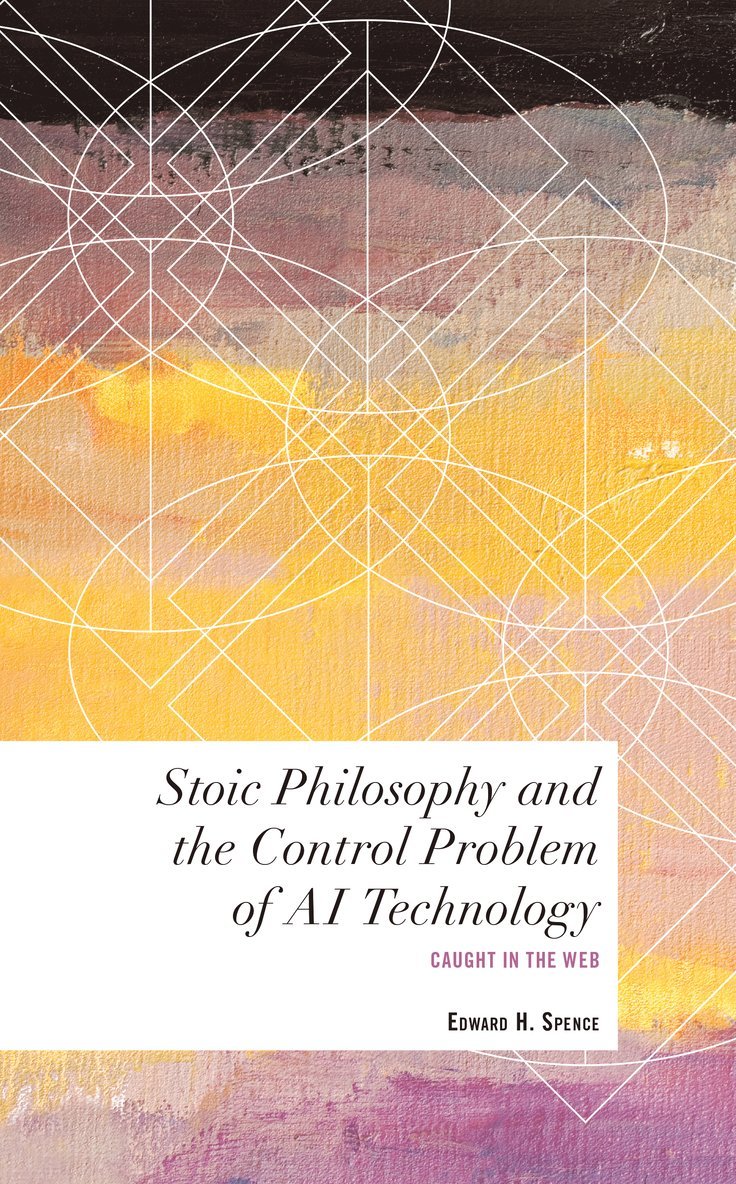
Stoic Philosophy and the Control Problem of AI Technology
Caught in the Web
Häftad, 2023
460 kr
Lägg i varukorg
To what degree is technology in the form of products and processes capable of contributing human enhancement and wellbeing? In cases where the impact of a technology on society is not only very negligible but overall negative and harmful, what is technology good for? To answer these questions, …
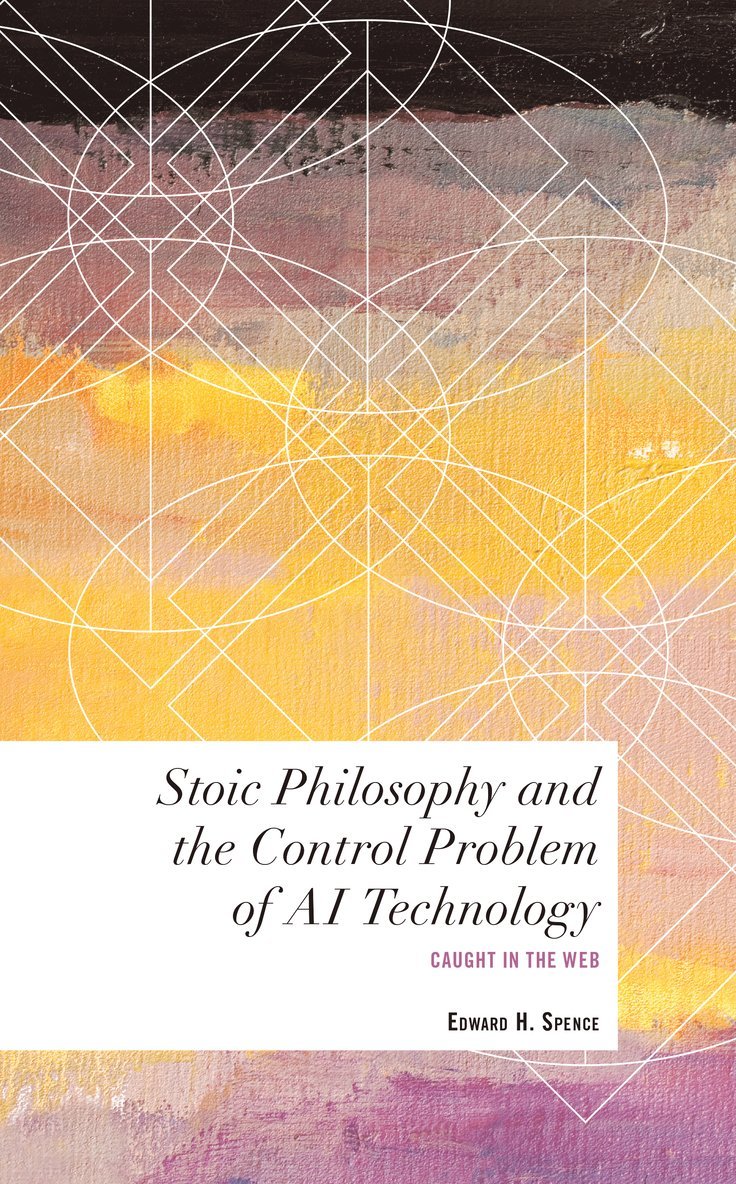
Stoic Philosophy and the Control Problem of AI Technology
Caught in the Web
Inbunden, 2021
1212 kr
Lägg i varukorg
To what degree is technology in the form of products and processes capable of contributing human enhancement and wellbeing? In cases where the impact of a technology on society is not only very negligible but overall negative and harmful, what is technology good for? To answer these questions, …
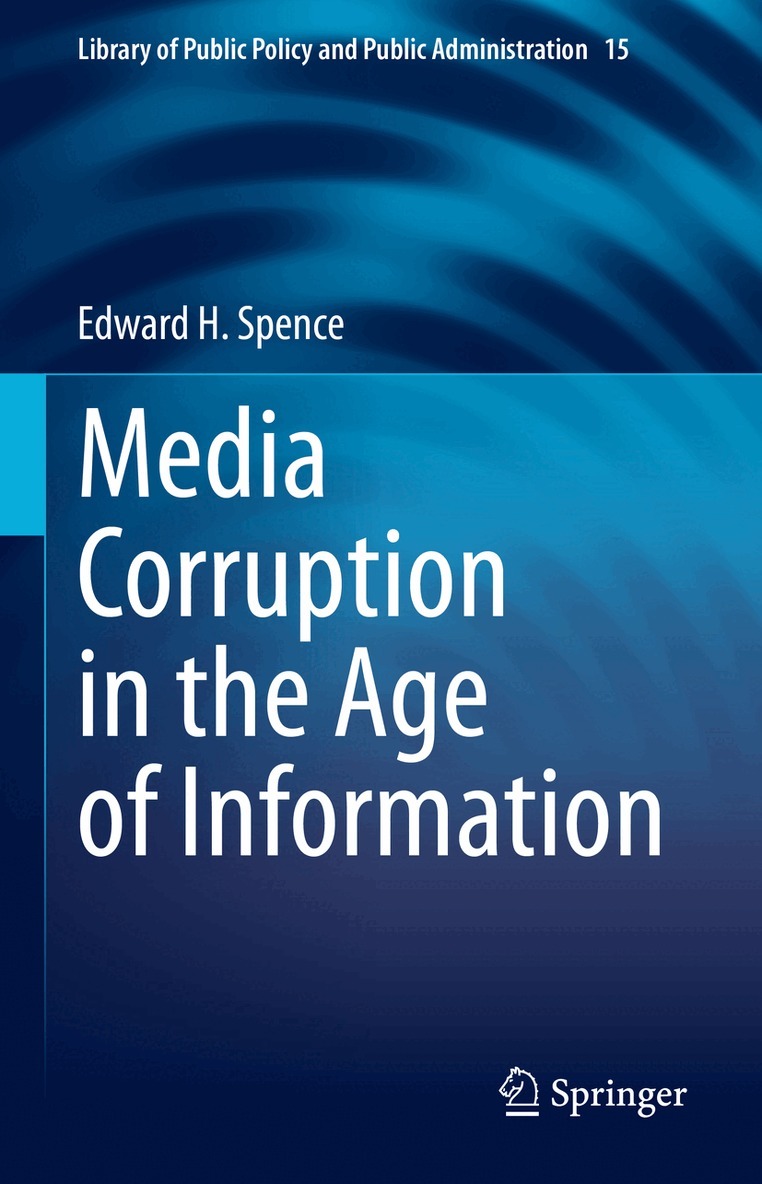
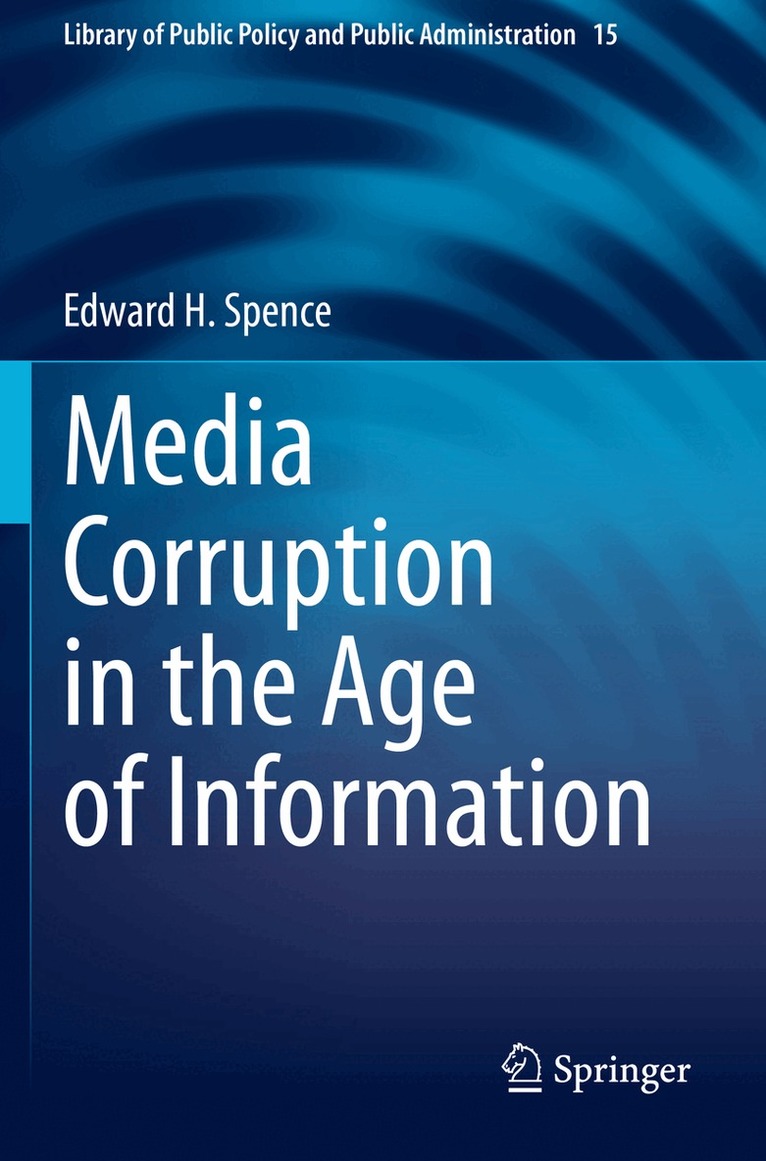
Media Corruption in the Age of Information
Inbunden, 2021
1321 kr
Lägg i varukorg
This book provides an applied model of corruption to identify, analyse, and assess the ethics of major types of corruption in the media involving practices such as cash-for-comment, media release journalism, including video news releases (VNRs), fake news, deep fakes, and staged news. The book …
Media Corruption in the Age of Information
E-bok, 2021
1622 kr
Lägg i varukorg
This book provides an applied model of corruption to identify, analyse, and assess the ethics of major types of corruption in the media involving practices such as cash-for-comment, media release journalism, including video news releases (VNRs), fake news, deep fakes, and staged news. The book …
Media Corruption in the Age of Information
Häftad, 2022
1212 kr
Lägg i varukorg
This book provides an applied model of corruption to identify, analyse, and assess the ethics of major types of corruption in the media involving practices such as cash-for-comment, media release journalism, including video news releases (VNRs), fake news, deep fakes, and staged news. The book …
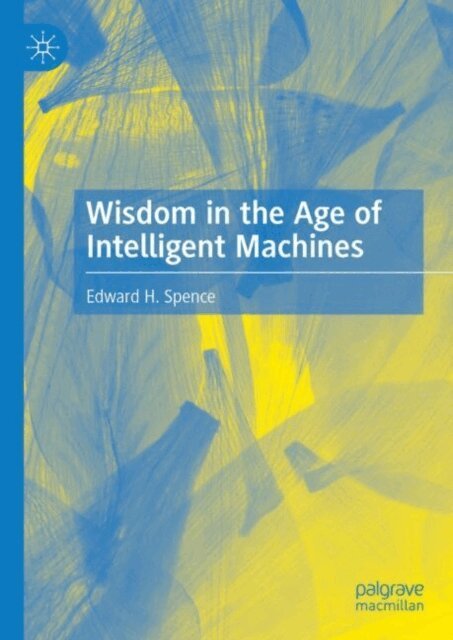
Wisdom in the Age of Intelligent Machines
Inbunden, 2025
1429 kr
Lägg i varukorg
This book offers an innovative approach to evaluating information and knowledge and its relation to the good life, in the Age of Autonomous Intelligent Machines, through the concept of Wisdom. Wisdom is understood as a type of meta-information and meta-knowledge, which comprises epistemic, ethical, …
Wisdom in the Age of Intelligent Machines
E-bok, 2025
1746 kr
Lägg i varukorg
This book offers an innovative approach to evaluating information and knowledge and its relation to the good life, in the Age of Autonomous Intelligent Machines, through the concept of Wisdom. Wisdom is understood as a type of meta-information and meta-knowledge, which comprises epistemic, ethical, …
Wisdom in the Age of Intelligent Machines
Häftad, 2026
1429 kr
Lägg i varukorg
This book offers an innovative approach to evaluating information and knowledge and its relation to the good life, in the Age of Autonomous Intelligent Machines, through the concept of Wisdom. Wisdom is understood as a type of meta-information and meta-knowledge, which comprises epistemic, ethical, …
Ethics for a Digital Era
Av Deni Elliott, Edward H. Spence
Inbunden, 2017
729 kr
Tillfälligt slut
"Elliott and Spence have produced a tight, teachable, and timely primer on media ethics for users and creators of information in the digital age. Pitched at just the right depth of detail to provide a big picture contextualization of changing media practices grounded in concerns for democracy and …
Media, Markets, and Morals
Av Edward H. Spence, Andrew Alexandra m. fl.
Häftad, 2011
283 kr
Tillfälligt slut
Media, Markets, and Morals provides an original ethical framework designed specifically for evaluating ethical issues in the media, including new media. The authors apply their account of the moral role of the media, in their dual capacity as information providers for the public good and as …