Edward Juler - Böcker
Visar alla böcker från författaren Edward Juler. Handla med fri frakt och snabb leverans.
3 produkter
3 produkter
1 202 kr
Skickas inom 5-8 vardagar
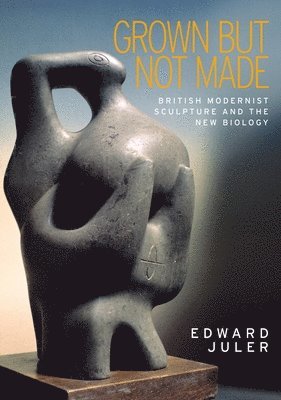
What does it mean for a sculpture to be described as ‘organic’ or a diagram of ‘morphological forces’? These were questions that preoccupied Modernist sculptors and critics in Britain as they wrestled with the artistic implications of biological discovery during the 1930s. In this lucid and thought-provoking book, Edward Juler provides the first detailed critical history of British Modernist sculpture’s interaction with modern biology. Discussing the significant influence of biologists and scientific philosophers such as D’Arcy Wentworth Thompson, Julian Huxley, J. S. Haldane and Alfred North Whitehead on interwar Modernist practice, this book provides radical new interpretations of the work of key British Modernist artists and critics, including Henry Moore, Barbara Hepworth, Paul Nash and Herbert Read. Innovative and interdisciplinary, this pioneering book will appeal to students of art history and the history of science as well as anyone interested in the complex, interweaving histories of art and science in the twentieth century.
364 kr
Skickas inom 5-8 vardagar
What does it mean for a sculpture to be described as ‘organic’ or a diagram of ‘morphological forces’? These were questions that preoccupied Modernist sculptors and critics in Britain as they wrestled with the artistic implications of biological discovery during the 1930s. In this lucid and thought-provoking book, Edward Juler provides the first detailed critical history of British Modernist sculpture’s interaction with modern biology. Discussing the significant influence of biologists and scientific philosophers such as D’Arcy Wentworth Thompson, Julian Huxley, J. S. Haldane and Alfred North Whitehead on interwar Modernist practice, this book provides radical new interpretations of the work of key British Modernist artists and critics, including Henry Moore, Barbara Hepworth, Paul Nash and Herbert Read. Innovative and interdisciplinary, this pioneering book will appeal to students of art history and the history of science as well as anyone interested in the complex, interweaving histories of art and science in the twentieth century.
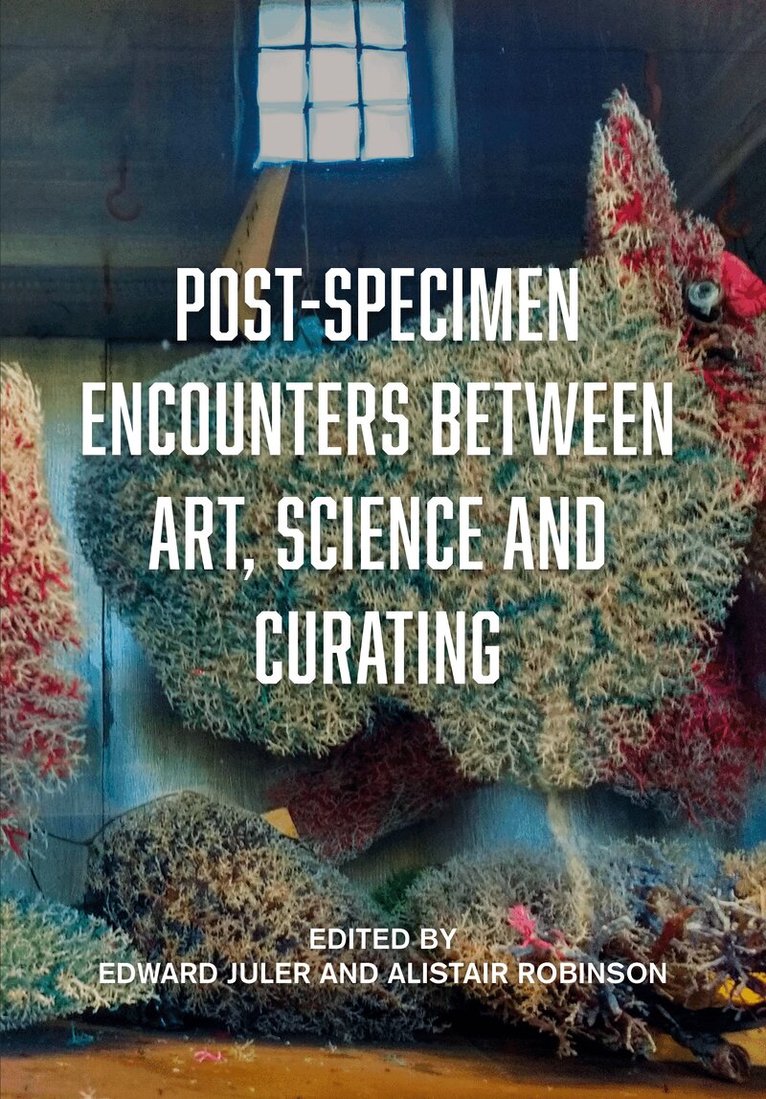
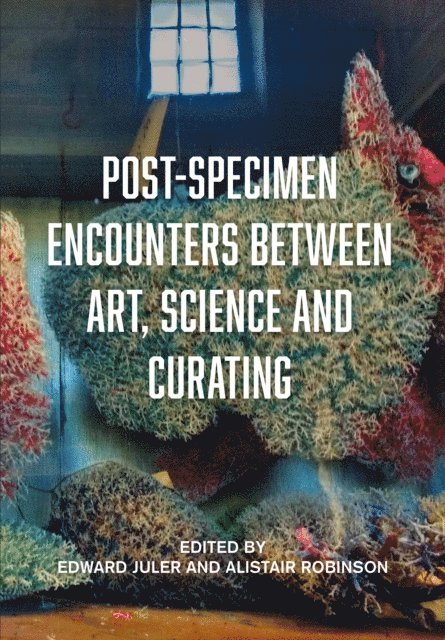
Post-Specimen Encounters Between Art, Science and Curating
Rethinking Art Practice and Objecthood through Scientific Collections
Häftad, Engelska, 2021
482 kr
Skickas
This edited collection explores a subject of great potential for both art historians and museologists – that of the nature of the specimen and how it might be reinterpreted. Through its cross-disciplinary contributions, written by a team of art historians, artists, poets, anthropologists, critics and curators, this book looks at how artistic encounters in museums, ranging from anatomy museums to contemporary cabinets of curiosity, can provoke new modes of thinking about art, science and curating.Museological literature in the past focused on artefacts or objects; this is an original contribution to the field and offers new readings of old issues, inspiring new understandings of the relationships between art, science and curating.Brings together international expertise from art practitioners, historians, creative writers and theorists in France, the United States, United Kingdom and New Zealand. Contributions from creative practitioners draw upon their own experience of producing artworks in response to specific scientific collections while historians, anthropologists, critics and writers examine how museums stimulate, incite and otherwise inspire artistic awareness of science and its specimens.One of the most important contributions this book will make is drawing together several threads of research and practice to encourage interdisciplinary discussion.It provides new ways of thinking about the relationships between art, science, museums and their objects. It concentrates on the ways in which scientific collections kindle novel aesthetic strategies and inspire new scholarly interpretations of art, science, curating and epistemology. In so doing it will make a considerable contribution to the fields of art writing, creative practice, art theory, the history of science and curating.This book will appeal to academics, researchers, undergraduates and postgraduates studying fine art, curating, museology, art history, the history of science, creative writing; visual artists, curators, and other creative practitioners. Also of interest to museum audiences. Reading list potential.