Edwin G. Corr – författare
Visar alla böcker från författaren Edwin G. Corr. Handla med fri frakt och snabb leverans.
8 produkter
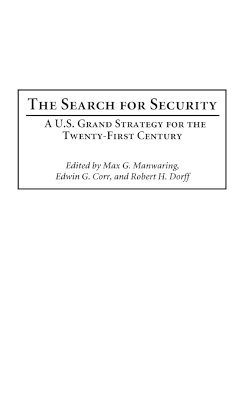
Search for Security
A U.S. Grand Strategy for the Twenty-First Century
Av Max Manwaring, Edwin G. Corr m. fl.
Inbunden, 2003
601 kr
Lägg i varukorg
One of the most common criticisms of current U.S. security policy is that it lacks an overarching strategy, leading to a tendency to address problems and crises individually and in isolation as they arise. This study provides a broad description of the contemporary global security environment and …
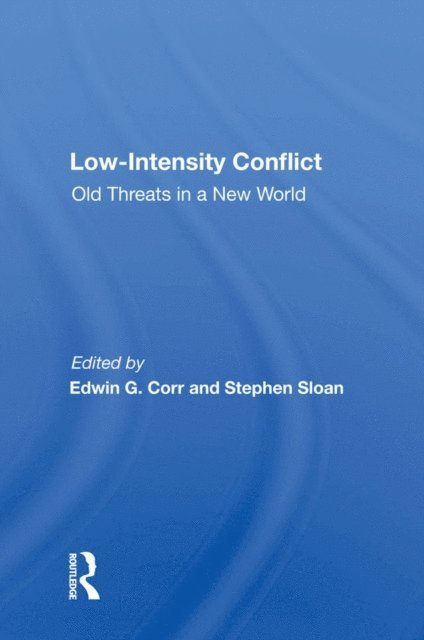
Low-intensity Conflict
Old Threats In A New World
Av Edwin G Corr
Inbunden, 2019
2521 kr
Lägg i varukorg
The end of the cold war does not necessarily mean the end of the social and political instability that can lead to low-intensity conflicts. This book provides fresh insights into a difficult subject by bringing together knowledgeable contributors who have the academic expertise, operational …
Low-intensity Conflict
Old Threats In A New World
Av Edwin G Corr
Häftad, 2021
694 kr
Lägg i varukorg
The end of the cold war does not necessarily mean the end of the social and political instability that can lead to low-intensity conflicts. This book provides fresh insights into a difficult subject by bringing together knowledgeable contributors who have the academic expertise, operational …
Low-intensity Conflict
Old Threats In A New World
Av Edwin G Corr
E-bok, 2019
790 kr
Lägg i varukorg
The end of the cold war does not necessarily mean the end of the social and political instability that can lead to low-intensity conflicts. This book provides fresh insights into a difficult subject by bringing together knowledgeable contributors who have the academic expertise, operational …
Low-intensity Conflict
Old Threats In A New World
Av Edwin G Corr
E-bok, 2019
814 kr
Lägg i varukorg
The end of the cold war does not necessarily mean the end of the social and political instability that can lead to low-intensity conflicts. This book provides fresh insights into a difficult subject by bringing together knowledgeable contributors who have the academic expertise, operational …
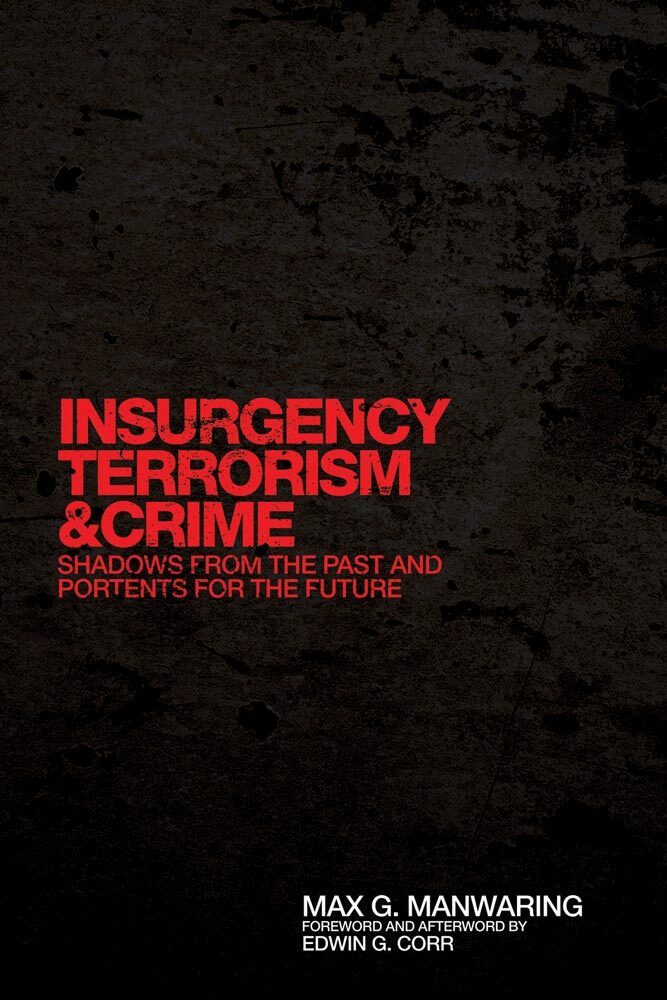
Insurgency, Terrorism, and Crime
Shadows from the Past and Portents for the Future
Av Max G. Manwaring, Edwin G. Corr
Inbunden, 2008
399 kr
Lägg i varukorg
New insights for understanding and combating Al Qaeda and other contemporary security threatsWars were once fought mainly between nations - a presumption put to rest on September 11, 2001. Al Qaeda showed that nonstate actors could threaten a traditional nation-state and pursue strategic objectives …
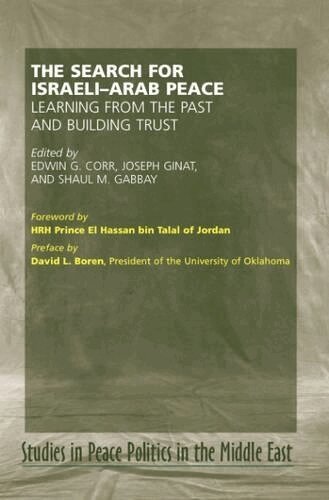
Search for Israel-Arab Peace
Learning From the Past and Building Trust
Av Edwin G Corr, Joseph Ginat m. fl.
Inbunden, 2007
1908 kr
Lägg i varukorg
Distinguished academic and practitioner contributors from the Middle East, Europe and the US present a range of social science oriented options to get the peace process back on track. Using the history of the last half century of talks and negotiations, and contributor experience in negotiations, …
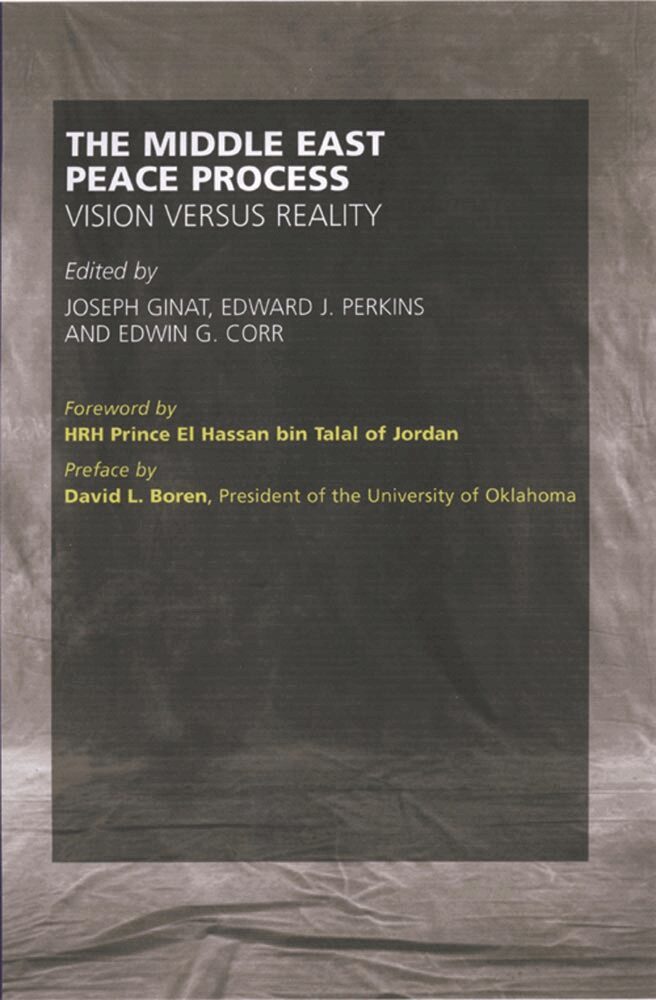
Middle East Peace Process
Vision Versus Reality
Av Joseph Ginat, Edward J. Perkins m. fl.
Inbunden, 2003
283 kr
Tillfälligt slut
Political stability is a crucial precondition for peace in the Middle East. In The Middle East Peace Process: Vision versus Reality, Joseph Ginat, Edward J. Perkins, and Edwin G. Corr have assembled a comprehensive overview of the complex peace negotiations taking place among Middle Eastern nations …