2 496 kr
Skickas inom 10-15 vardagar
2 496 kr
Skickas inom 10-15 vardagar
687 kr
Skickas inom 10-15 vardagar
820 kr
Läs direkt efter köp
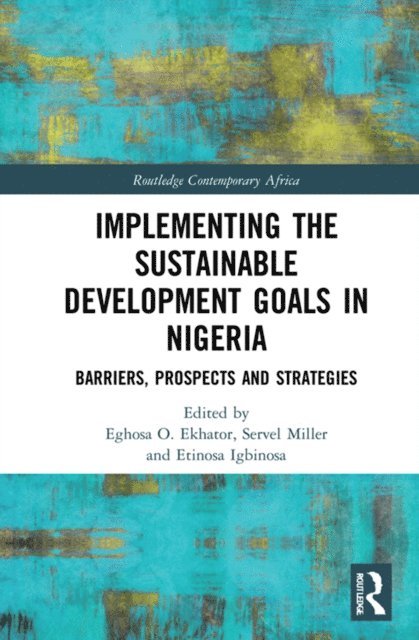
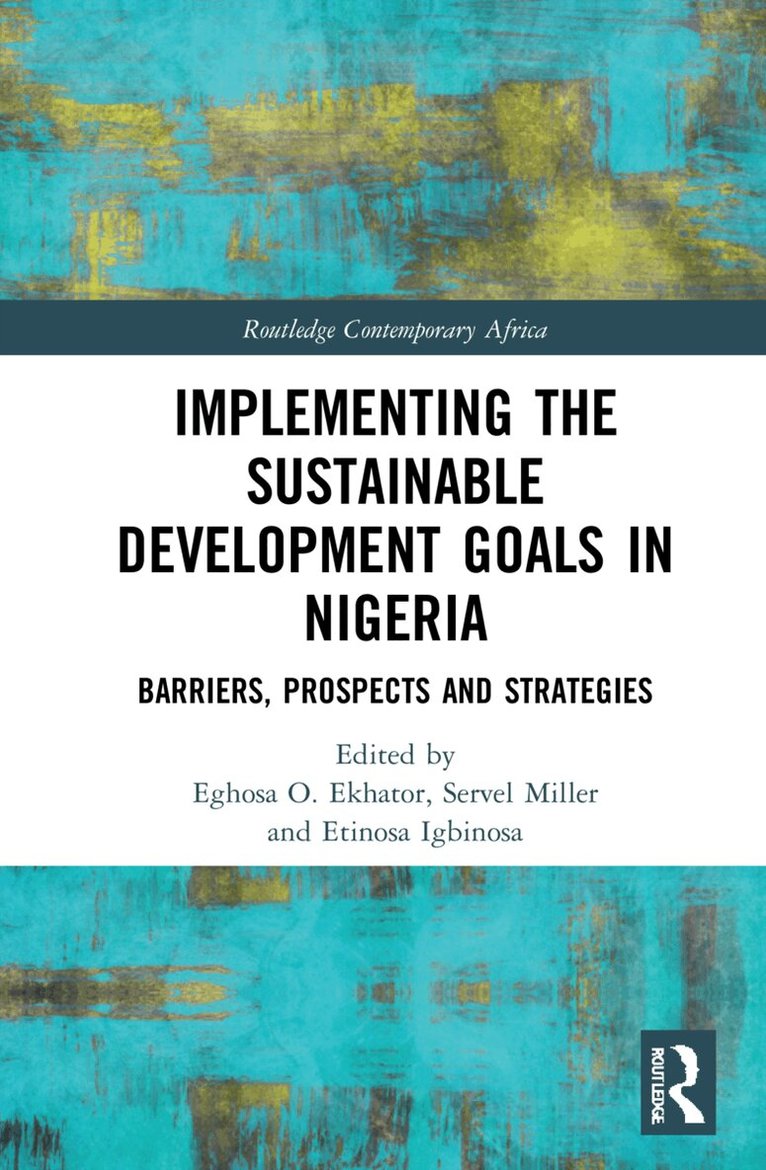
This book explores Nigeria’s progress towards achieving the Sustainable Development Goals, presenting key country-specific lessons, as well as providing innovative solutions and practices which are transferrable to other emerging economies.
Despite all of Nigeria’s potential, and substantial oil revenues, poverty remains widespread and the country faces many challenges. The contributors to this book provide comparative historical and contemporary analysis of the main challenges for achieving progress in the SDGs, and make recommendations for the most effectives ways of developing, adopting, disseminating and scaling them. Starting with the conceptualisation and evolution of the SDGs, the book goes on to consider the goal on ending poverty, and the urgent need to combat climate change and its impacts. The book also reflects on the role of business and taxation, and the cultural and societal dimensions of the SDGs, including education, gender, and the role of the church. Overall, the book focuses on knowledge/implementation gaps and the role of collaborative partnerships and disruptive technologies in implementing the framework in general.
This book will be of interest to scholars, policy makers and practitioners of sustainable development and African studies, as well as those with a particular interest in Nigeria.
820 kr
Läs direkt efter köp
This book explores Nigeria’s progress towards achieving the Sustainable Development Goals, presenting key country-specific lessons, as well as providing innovative solutions and practices which are transferrable to other emerging economies.
Despite all of Nigeria’s potential, and substantial oil revenues, poverty remains widespread and the country faces many challenges. The contributors to this book provide comparative historical and contemporary analysis of the main challenges for achieving progress in the SDGs, and make recommendations for the most effectives ways of developing, adopting, disseminating and scaling them. Starting with the conceptualisation and evolution of the SDGs, the book goes on to consider the goal on ending poverty, and the urgent need to combat climate change and its impacts. The book also reflects on the role of business and taxation, and the cultural and societal dimensions of the SDGs, including education, gender, and the role of the church. Overall, the book focuses on knowledge/implementation gaps and the role of collaborative partnerships and disruptive technologies in implementing the framework in general.
This book will be of interest to scholars, policy makers and practitioners of sustainable development and African studies, as well as those with a particular interest in Nigeria.
2 287 kr
Skickas inom 10-15 vardagar
643 kr
Skickas inom 10-15 vardagar
768 kr
Läs direkt efter köp
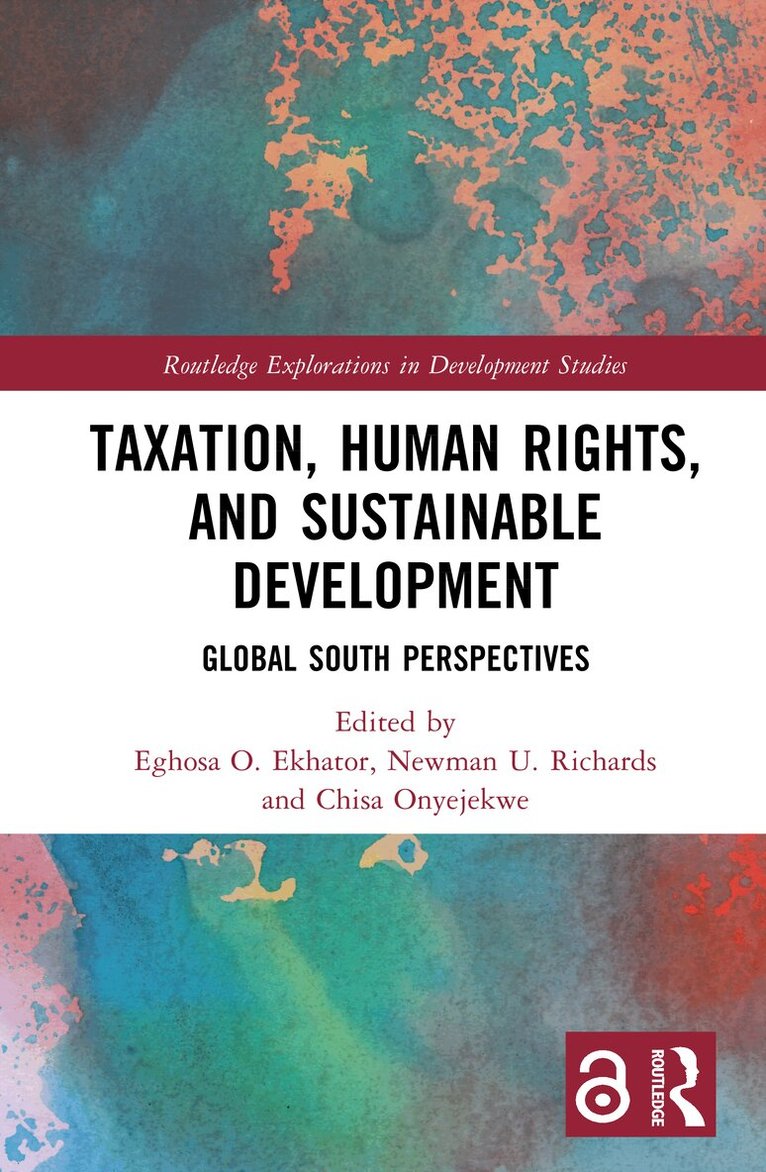
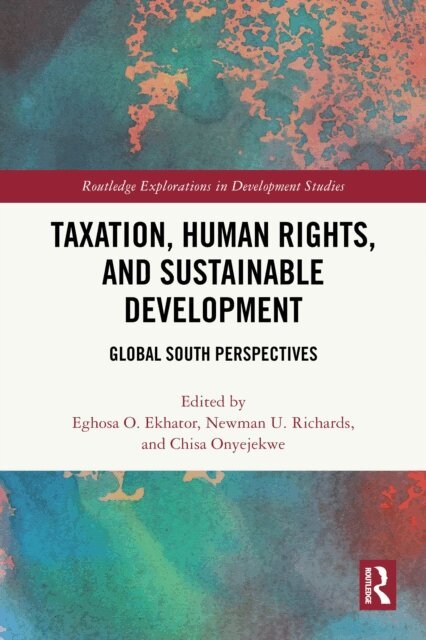
This book investigates the relationship between human rights and taxation, exploring how human rights have been impeded or enhanced through tax laws and policies, and what this means for sustainable development in the Global South.
Drawing on cases from across the Global South, the book demonstrates the benefits of embedding human rights into tax policies and legislation. The authors not only highlight the role of legislative measures and other human rights regulations in the realisation of international treaty rights but also argue that it creates an environment whereby individuals feel duty-bound to pay taxes, when necessary, thereby securing a sustainable revenue source for the state to meet their socio-economic responsibilities. The book investigates key topics such as compliance, redistribution, e-commerce, tax havens, and the role of key stakeholders.
This book will be useful for researchers from across the fields of law, human rights, taxation, and sustainable development.
768 kr
Läs direkt efter köp
This book investigates the relationship between human rights and taxation, exploring how human rights have been impeded or enhanced through tax laws and policies, and what this means for sustainable development in the Global South.
Drawing on cases from across the Global South, the book demonstrates the benefits of embedding human rights into tax policies and legislation. The authors not only highlight the role of legislative measures and other human rights regulations in the realisation of international treaty rights but also argue that it creates an environment whereby individuals feel duty-bound to pay taxes, when necessary, thereby securing a sustainable revenue source for the state to meet their socio-economic responsibilities. The book investigates key topics such as compliance, redistribution, e-commerce, tax havens, and the role of key stakeholders.
This book will be useful for researchers from across the fields of law, human rights, taxation, and sustainable development.