Ehud Eilam – författare
Visar alla böcker från författaren Ehud Eilam. Handla med fri frakt och snabb leverans.
13 produkter
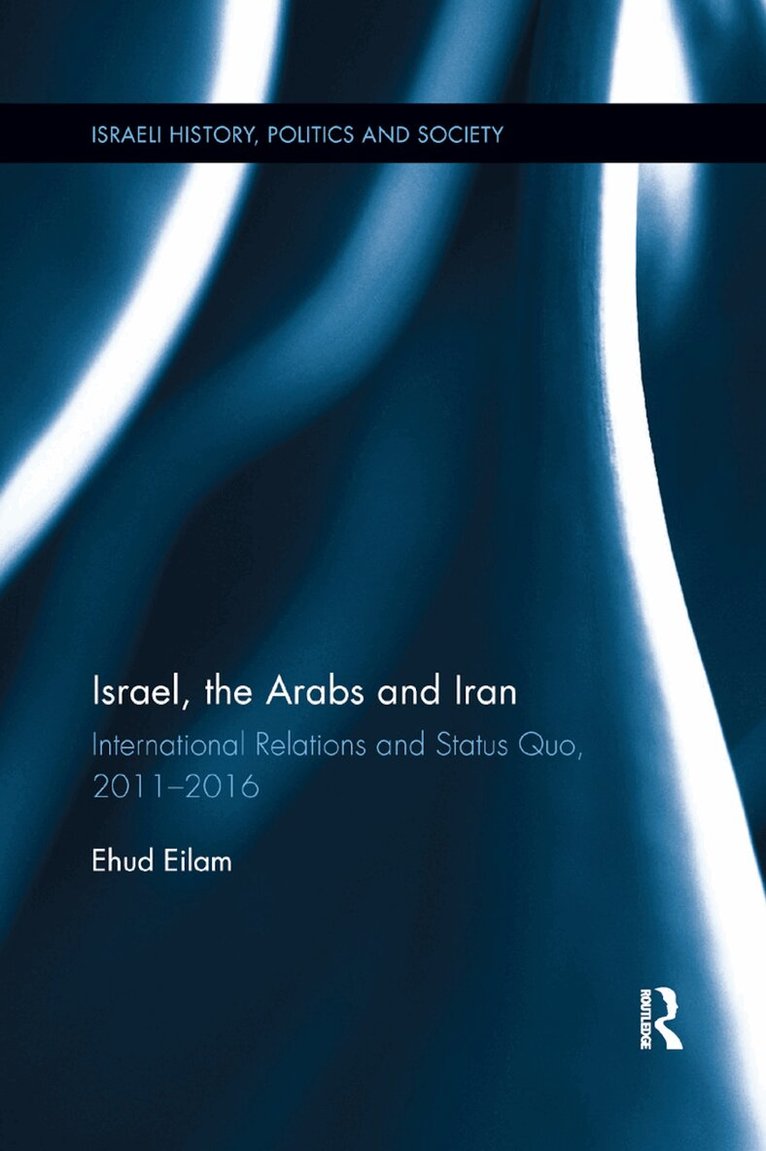
Israel, the Arabs and Iran
International Relations and Status Quo, 2011-2016
Av Ehud Eilam
Häftad, 2019
689 kr
Lägg i varukorg
Israel borders four states – Syria, Egypt, Jordan and Lebanon, and two entities – the Palestinian authority in the West Bank and Hamas in the Gaza stip. In recent years, despite incidents on the border with Syria and Egypt, the basic strategic status quo with these countries has not changed, and …
Israel, the Arabs and Iran
International Relations and Status Quo, 2011-2016
Av Ehud Eilam
Inbunden, 2017
2504 kr
Lägg i varukorg
Israel borders four states – Syria, Egypt, Jordan and Lebanon, and two entities – the Palestinian authority in the West Bank and Hamas in the Gaza stip. In recent years, despite incidents on the border with Syria and Egypt, the basic strategic status quo with these countries has not changed, and …
Israel, the Arabs and Iran
International Relations and Status Quo, 2011-2016
Av Ehud Eilam
E-bok, 2017
814 kr
Lägg i varukorg
Israel borders four states – Syria, Egypt, Jordan and Lebanon, and two entities – the Palestinian authority in the West Bank and Hamas in the Gaza stip. In recent years, despite incidents on the border with Syria and Egypt, the basic strategic status quo with these countries has not changed, …
Israel, the Arabs and Iran
International Relations and Status Quo, 2011-2016
Av Ehud Eilam
E-bok, 2017
796 kr
Lägg i varukorg
Israel borders four states – Syria, Egypt, Jordan and Lebanon, and two entities – the Palestinian authority in the West Bank and Hamas in the Gaza stip. In recent years, despite incidents on the border with Syria and Egypt, the basic strategic status quo with these countries has not changed, …
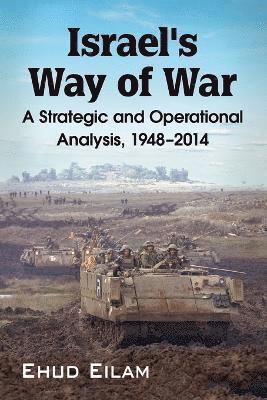
Israel's Way of War
A Strategic and Operational Analysis, 1948-2014
Av Ehud Eilam
Häftad, 2016
384 kr
Lägg i varukorg
Israel has fought many wars since its founding in 1948, from conventional military conflicts with Arab forces to irregular clashes with guerrilla and terror groups. A study of these confrontations reveals strategic and military patterns. Written by a former member of the Israel Defense Forces, this …
Israel’s Military Doctrine
Av Ehud Eilam
Inbunden, 2018
1204 kr
Lägg i varukorg
Israel’s military doctrine was aimed at defeating powerful Arab militaries, mostly those of Egypt, Syria and Jordan. In the years 1948-1982 Israel and Arab states had a series of wars i.e. high intensity wars. Israel, since 1948, also dealt with guerrilla and terror attacks. Since 1982 and mostly …
Israel's New Wars
The conflicts between Israel and Iran, Hezbollah and the Palestinians since the 1990s
Av Ehud Eilam
Inbunden, 2024
955 kr
Lägg i varukorg
Israel’s New Wars examines Israel’s recent conflicts with Iran and its partners. The book’s key focus is how these wars differ from those fought between 1948 and 1982. In the wake of its independence, Israel fought a series of high-intensity wars against Arab states. Since then, the Israel Defense …
Containment in the Middle East
Av Ehud Eilam
E-bok, 2019
303 kr
Lägg i varukorg
National security affairs analyst Ehud Eilam examines the strategy of containment in the Middle East as it is currently pursued. For the United States, containment is a way to avoid war with Iran and thwart its nuclear weapons program. For Israel it has been a way to prevent a confrontation with …
Containment in the Middle East
Av Ehud Eilam
E-bok, 2019
296 kr
Lägg i varukorg
National security affairs analyst Ehud Eilam examines the strategy of containment in the Middle East as it is currently pursued. For the United States, containment is a way to avoid war with Iran and thwart its nuclear weapons program. For Israel it has been a way to prevent a confrontation with …
Israel’s National Security, the Arab Position, and Its Complicated Relations with the United States
Av Ehud Eilam
Inbunden, 2022
1240 kr
Lägg i varukorg
This book analyzes major national security issues in the Middle East, focusing on those regarding Israel, which could have negative implications on the United States. Currently, Israel is concerned with Iran’s nuclear program, its regional ambitions, and Hezbollah’s arsenal. Other major concerns …
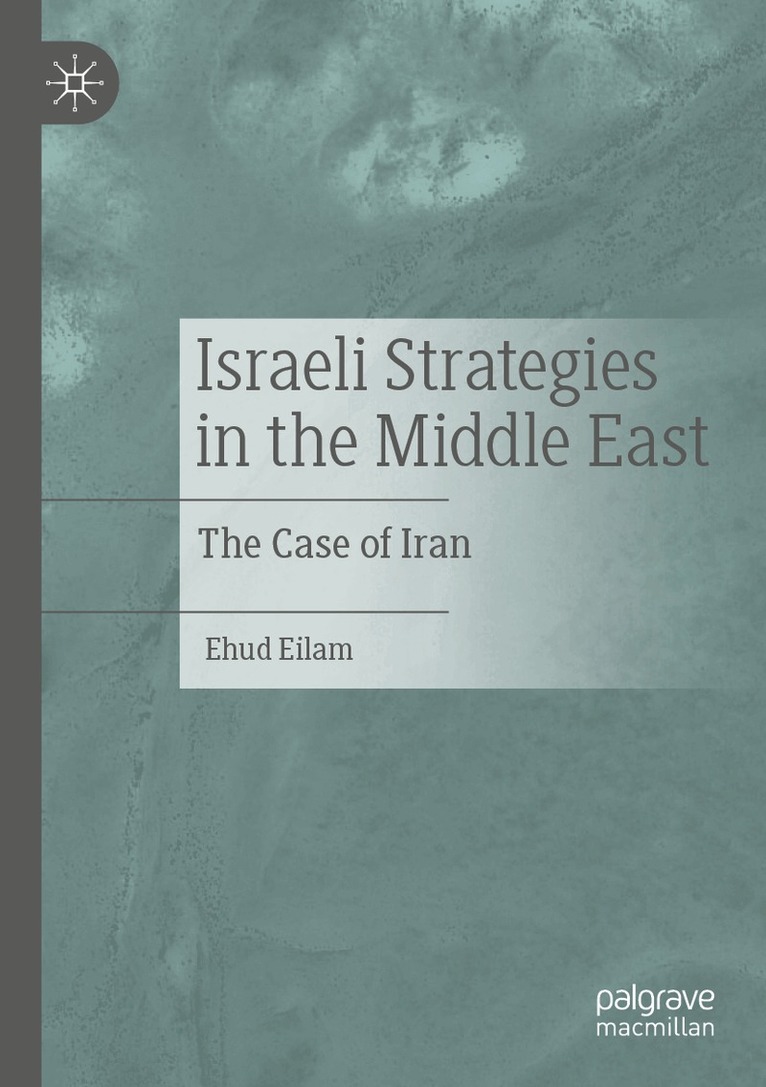
Israeli Strategies in the Middle East
The Case of Iran
Av Ehud Eilam
Inbunden, 2022
1425 kr
Lägg i varukorg
This book offers an in depth discussion of the Israeli – Iranian conflict, and its implications for the United States and Arab states. The main topic is Israel’s approach to handling Iran and its partners, given Iran’s ambitions, including its plan to produce nuclear weapons. The author explains …
Israeli Strategies in the Middle East
The Case of Iran
Av Ehud Eilam
E-bok, 2022
1728 kr
Lägg i varukorg
This book offers an in depth discussion of the Israeli – Iranian conflict, and its implications for the United States and Arab states. The main topic is Israel’s approach to handling Iran and its partners, given Iran’s ambitions, including its plan to produce nuclear weapons. The author explains …
Israeli Strategies in the Middle East
The Case of Iran
Av Ehud Eilam
Häftad, 2023
1425 kr
Lägg i varukorg
This book offers an in depth discussion of the Israeli – Iranian conflict, and its implications for the United States and Arab states. The main topic is Israel’s approach to handling Iran and its partners, given Iran’s ambitions, including its plan to produce nuclear weapons. The author explains …