Eiji Arai – författare
Visar alla böcker från författaren Eiji Arai. Handla med fri frakt och snabb leverans.
6 produkter
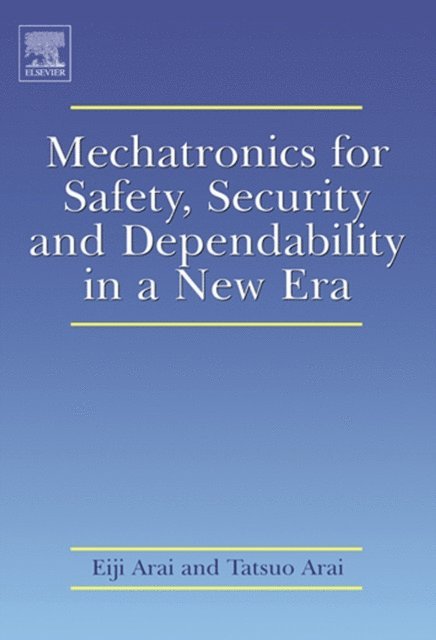
Mechatronics for Safety, Security and Dependability in a New Era
Av Tatsuo Arai, Eiji Arai
E-bok, 2006
2119 kr
Lägg i varukorg
Mechatronics for Safety, Security and Dependability in a New Era contains selected leading papers from the International Conference on Machine Automation 2004, the work of researchers from USA, Japan, China and Europe. The topics covered include: manufacturing systems such as CAD/CAM, machining …
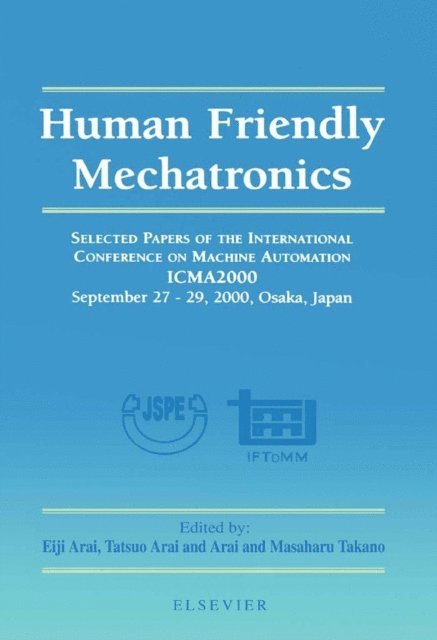
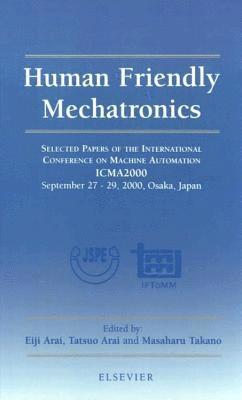
Human Friendly Mechatronics
Av Tatsuo Arai, Eiji Arai m. fl.
E-bok, 2001
1326 kr
Lägg i varukorg
The book includes 61 selected papers from 106 presented at the second International Conference on Machine Automation (ICMA2000). The conference focused, for the first time, on human friendly mechantronics which covers machine systems interacting with human beings, psychological, physiological, and …
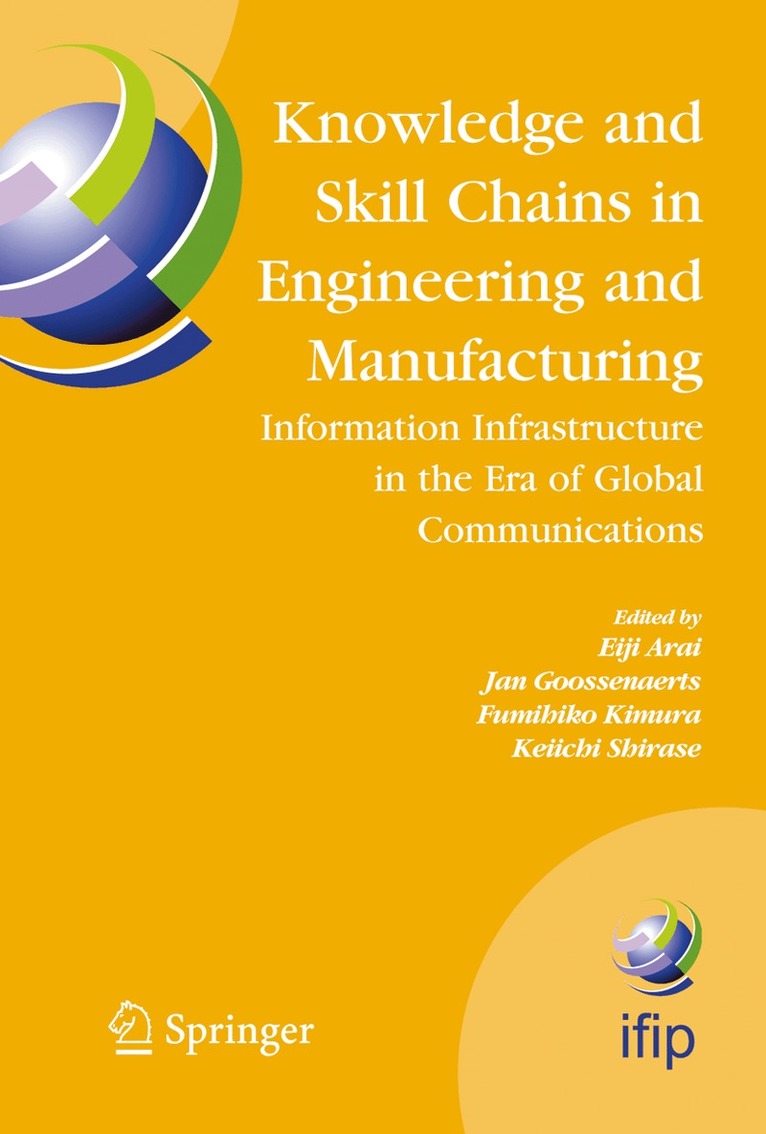
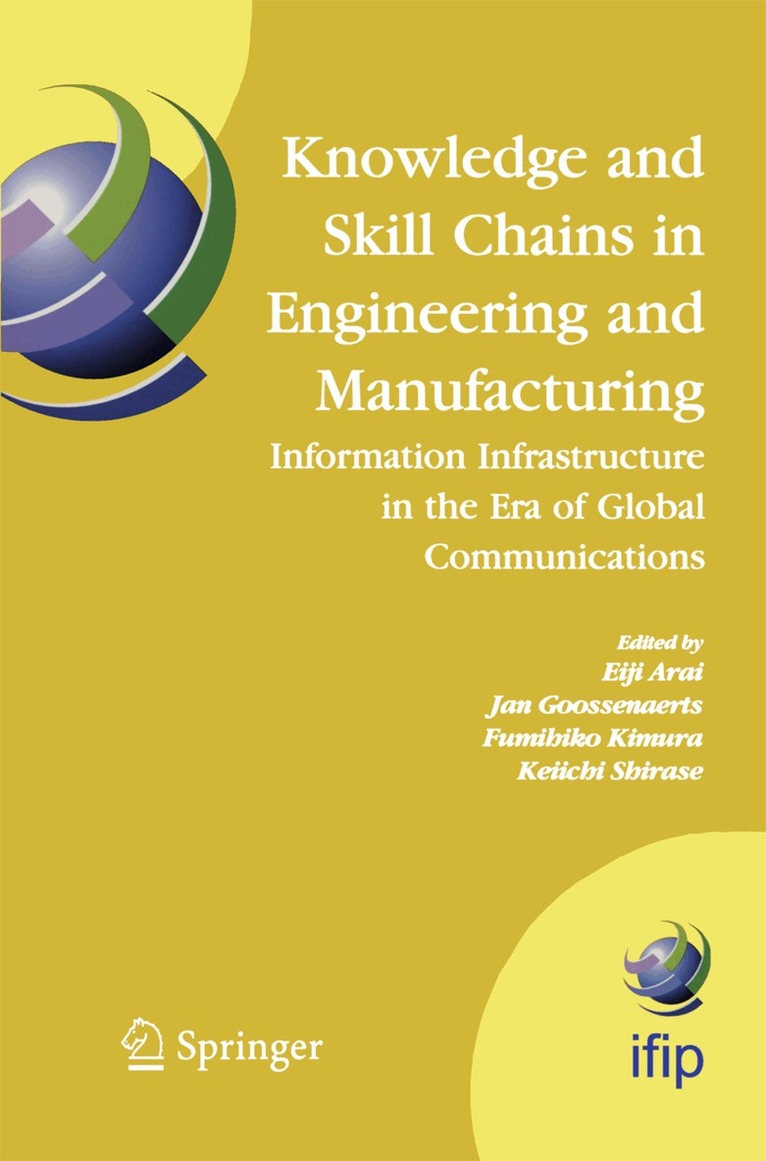
Knowledge and Skill Chains in Engineering and Manufacturing
Information Infrastructure in the Era of Global Communications
Av Eiji Arai, Eindhoven University of Technology Fac. Technology Management m. fl.
Inbunden, 2004
1691 kr
Lägg i varukorg
Since the first DIISM conference, which took place 9 years ago, the world has seen drastic changes, including the transformation of manufacturing and engineering software, and the information and communication technologies deployed. The conditions for manufacturing and engineering have changed on a …
Knowledge and Skill Chains in Engineering and Manufacturing
Information Infrastructure in the Era of Global Communications
Av Keiichi Shirase, Fumihiko Kimura m. fl.
E-bok, 2008
2111 kr
Lägg i varukorg
Since the first DIISM conference, which took place 9 years ago, the world has seen drastic changes, including the transformation of manufacturing and engineering software, and the information and communication technologies deployed. The conditions for manufacturing and engineering have changed on a …
Human Friendly Mechatronics
Av Masaharu Takano, Eiji Arai m. fl.
Inbunden, 2001
1184 kr
Lägg i varukorg
The book includes 61 selected papers from 106 presented at the second International Conference on Machine Automation (ICMA2000). The conference focused, for the first time, on human friendly mechantronics which covers machine systems interacting with human beings, psychological, physiological, and …
Knowledge and Skill Chains in Engineering and Manufacturing
Information Infrastructure in the Era of Global Communications
Av Eiji Arai, Eindhoven University of Technology Fac. Technology Management m. fl.
Häftad, 2014
1642 kr
Lägg i varukorg
Since the first DIISM conference, which took place 9 years ago, the world has seen drastic changes, including the transformation of manufacturing and engineering software, and the information and communication technologies deployed. The conditions for manufacturing and engineering have changed on a …