Eileen Depka – författare
Visar alla böcker från författaren Eileen Depka. Handla med fri frakt och snabb leverans.
7 produkter
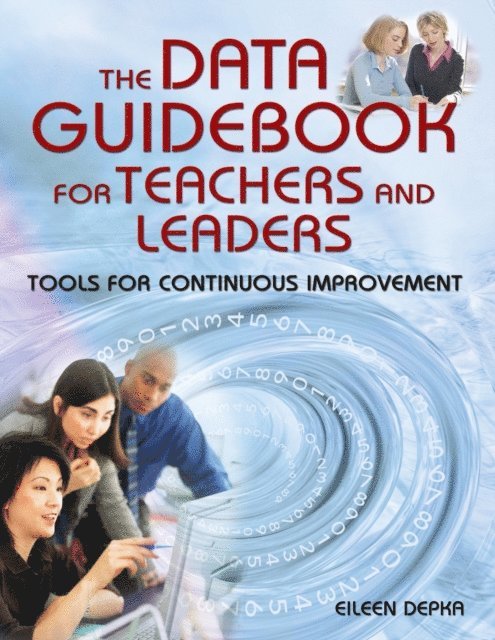
Data Guidebook for Teachers and Leaders
Tools for Continuous Improvement
Av Eileen Depka
E-bok, 2016
173 kr
Lägg i varukorg
Are you looking for new ways to use data in the decision-making process? Are you seeking tools that provide better flow-through from data to improved student achievement? Have you ever considered including students in the data-to-improvement cycle? Schools recognize that data is an essential …
Bringing Homework Into Focus
Tools and Tips to Enhance Practices, Design, and Feedback
Av Eileen Depka
E-bok, 2014
390 kr
Lägg i varukorg
In many classrooms, teachers assign homework out of habit. Learn to design quality, purposeful homework instead. The author urges educators to reflect on the purpose of student assignments to determine if and when homework is valuable. Prepare students and measure their comprehension by assigning …
Using Formative Assessment in the RTI Framework
E-bok, 2011
258 kr
Lägg i varukorg
RTI and formative assessment have the potential to positively impact student achievement. Understand the basics of RTI and its connection to formative assessment, and base instructional decisions on the results of effective formative assessment practices. Learn how to adjust instruction to increase …
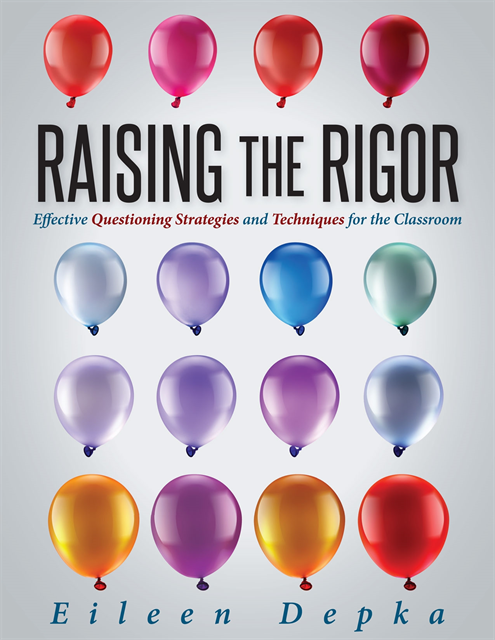
Raising the Rigor
Effective Questioning Strategies and Techniques for the Classroom (Teach Students to Write and Ask Their Own Meaningful Questions)
Av Eileen Depka
E-bok, 2017
390 kr
Lägg i varukorg
Developed specifically for grades K-2, this resource presents classroom-ready lessons that support the ISTE Standards for Students (NET standards). Use the lessons, which focus on four essential skills (communication, collaboration, critical thinking, and creativity), to take instruction and …
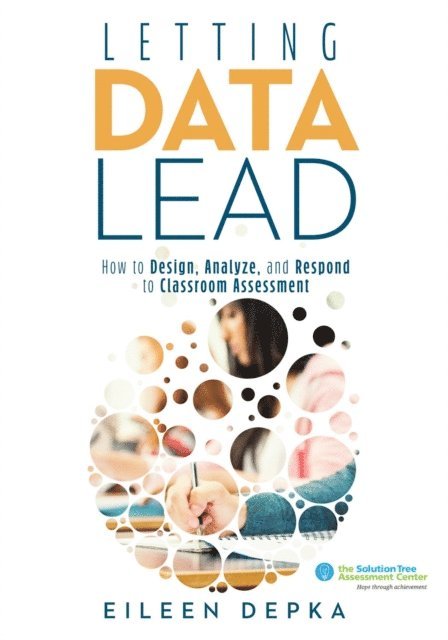
Letting Data Lead
How to Design, Analyze, and Respond to Classroom Assessment (Gain Actionable Insights Through Effective Assessment Methods and Data Interpretation)
Av Eileen Depka
E-bok, 2019
390 kr
Lägg i varukorg
Rely on Letting Data Lead by Eileen Depka to help you build a culture of school data analysis and interpretation, data-driven instruction and assessment techniques, and student achievement. This practical resource clearly outlines a systematic approach for meaningful student data collection through …
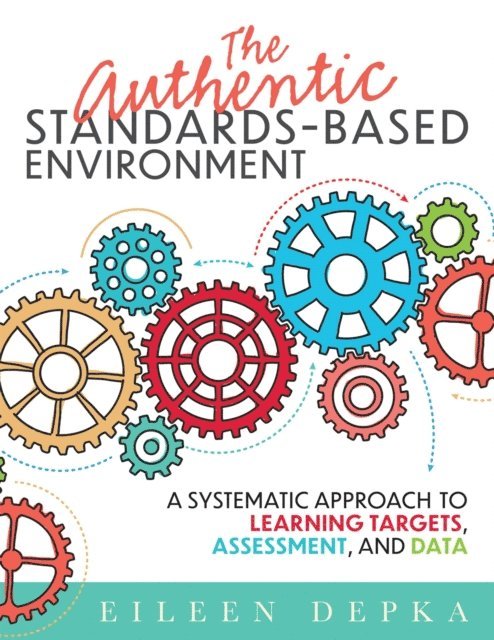
Authentic Standards-Based Environment
Systematic Approach to Learning Targets, Assessment, and Data (A practical guide to standards-based learning for teacher teams and educators)
Av Eileen Depka
E-bok, 2022
390 kr
Lägg i varukorg
Why are standards so important, and how do they improve student learning? In The Authentic Standards-Based Environment: A Systematic Approach to Learning Targets, Assessment, and Data , Eileen Depka dives into standards-based student learning with a simple, easy-to-use approach to unpacking …