Eilis Ward – författare
Visar alla böcker från författaren Eilis Ward. Handla med fri frakt och snabb leverans.
6 produkter
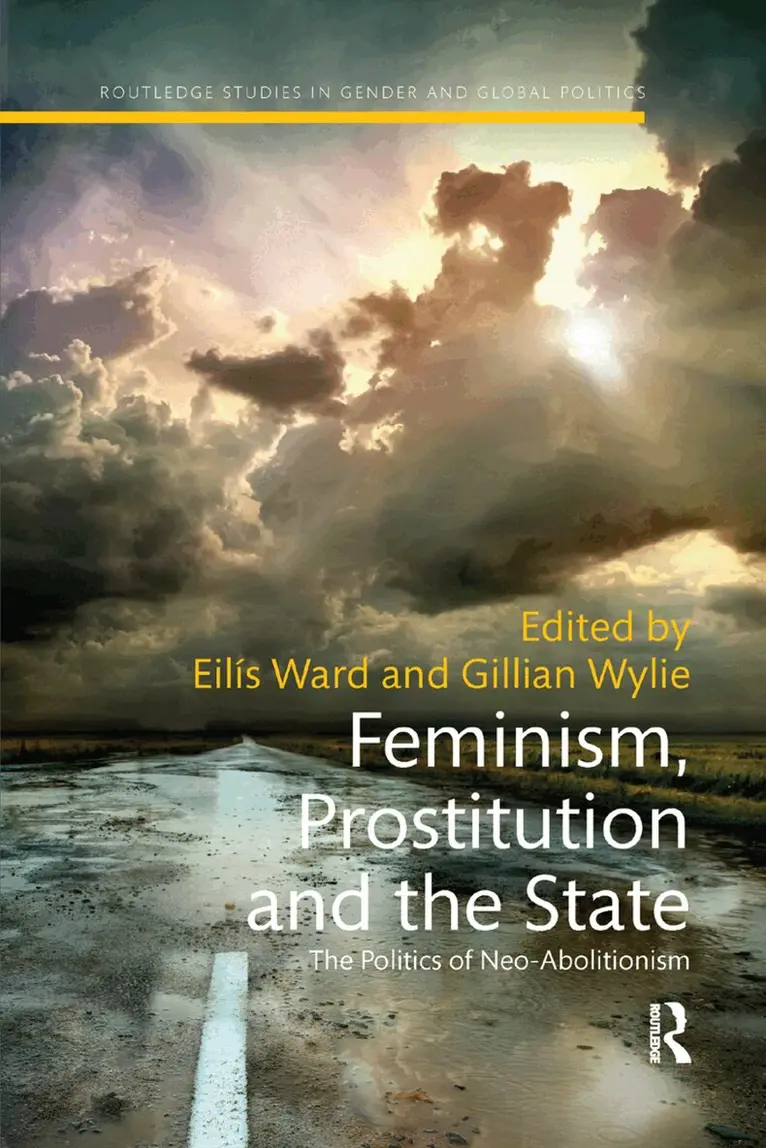
Feminism, Prostitution and the State
The Politics of Neo-Abolitionism
Häftad, 2019
750 kr
Lägg i varukorg
This edited volume focuses on charting the rise of neo-abolitionism and offering a critique of the idea, its logics and consequences. A model of state policy which aims to abolish prostitution through legislation, Neo-abolitionism criminalises the buyer of sex but not the seller. It is currently …
Feminism, Prostitution and the State
The Politics of Neo-Abolitionism
Inbunden, 2017
2312 kr
Lägg i varukorg
This edited volume focuses on charting the rise of neo-abolitionism and offering a critique of the idea, its logics and consequences. A model of state policy which aims to abolish prostitution through legislation, Neo-abolitionism criminalises the buyer of sex but not the seller. It is currently …
Feminism, Prostitution and the State
The Politics of Neo-Abolitionism
E-bok, 2017
795 kr
Lägg i varukorg
This edited volume focuses on charting the rise of neo-abolitionism and offering a critique of the idea, its logics and consequences. A model of state policy which aims to abolish prostitution through legislation, Neo-abolitionism criminalises the buyer of sex but not the seller. It is currently …
Feminism, Prostitution and the State
The Politics of Neo-Abolitionism
E-bok, 2017
813 kr
Lägg i varukorg
This edited volume focuses on charting the rise of neo-abolitionism and offering a critique of the idea, its logics and consequences. A model of state policy which aims to abolish prostitution through legislation, Neo-abolitionism criminalises the buyer of sex but not the seller. It is currently …
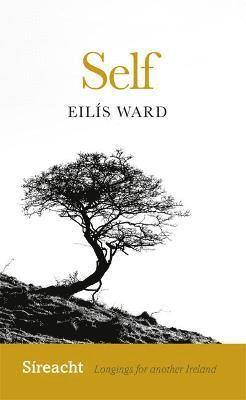
Self
Av Eilis Ward
Häftad, 2021
258 kr
Lägg i varukorg
This book argues that we have got it wrong in the West with our belief in a 'self' that is autonomous and separate from others, exemplified by the entrepreneurial self: always on, always positive and always self-improving. This is the neoliberal self, a particular creature of late capitalism. …
Self
Av Eilis Ward
E-bok, 2021
142 kr
Lägg i varukorg
This book argues that we have got it wrong in the West in our pursuit of what we consider to be ‘self’: an autonomous, self-driven, entrepreneurial entity, always on, always positive and always improving. This is a neoliberal self, a being stripped of the social. In a radical critique, this book …