Einar Ringo – författare
1 997 kr
Skickas inom 11-20 vardagar
1 618 kr
Läs direkt efter köp
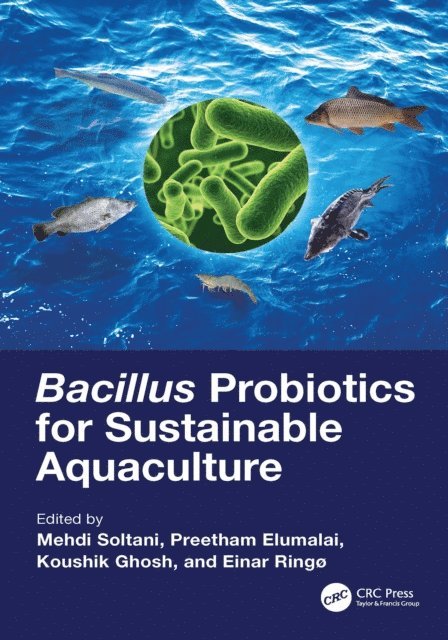
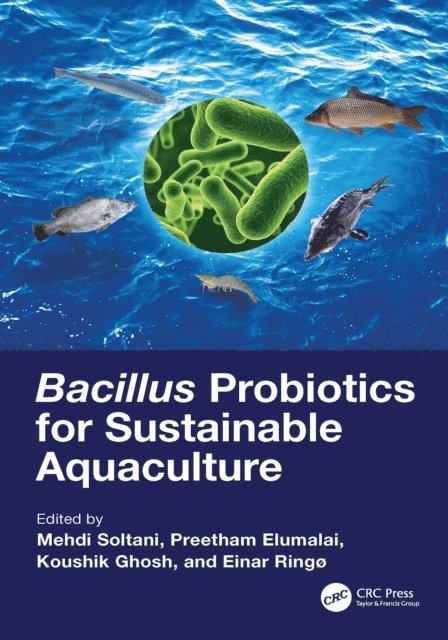
This book provides a comprehensive examination of the role of Bacillus bacteria in aquaculture, particularly focusing on finfish and shellfish. It begins with foundational chapters on the anatomy and physiology of these aquatic species, their immune systems, and the biology of Bacillus bacteria. The book discusses the specific interactions between Bacillus and the gastrointestinal tracts of fish and shellfish, examining the production and effects of Bacillus-derived exoenzymes and bacteriocins and their role in enhancing aquatic animal health and water quality. Additionally, the book covers the role of Bacillus in bioremediation, particularly in improving water quality, which is a significant concern in aquaculture. The latter sections delve into the application of Bacillus as probiotics and paraprobiotics in fish and shellfish culture, their integration in feed biotechnology, and a critical evaluation of their safety. The book concludes with a critical discussion on the safety and regulatory aspects of using Bacillus in aquaculture.
This book is intended for professionals and practitioners in the aquaculture industry and researchers, academicians, and students in the fields of microbiology, marine biology, aquaculture, and veterinary medicine.
1 604 kr
Läs direkt efter köp
This book provides a comprehensive examination of the role of Bacillus bacteria in aquaculture, particularly focusing on finfish and shellfish. It begins with foundational chapters on the anatomy and physiology of these aquatic species, their immune systems, and the biology of Bacillus bacteria. The book discusses the specific interactions between Bacillus and the gastrointestinal tracts of fish and shellfish, examining the production and effects of Bacillus-derived exoenzymes and bacteriocins and their role in enhancing aquatic animal health and water quality. Additionally, the book covers the role of Bacillus in bioremediation, particularly in improving water quality, which is a significant concern in aquaculture. The latter sections delve into the application of Bacillus as probiotics and paraprobiotics in fish and shellfish culture, their integration in feed biotechnology, and a critical evaluation of their safety. The book concludes with a critical discussion on the safety and regulatory aspects of using Bacillus in aquaculture.
This book is intended for professionals and practitioners in the aquaculture industry and researchers, academicians, and students in the fields of microbiology, marine biology, aquaculture, and veterinary medicine.
2 356 kr
Läs direkt efter köp
Manipulation of the microbial gut content of farmed fishes and crustaceans can have a marked effect on their general health, growth, and quality. Expertly covering the science behind the use of prebiotics and probiotics this landmark book explains how the correct manipulation of the gut flora of farmed fishes and crustaceans can have a positive effect on their health, growth rates, feed utilization, and general wellbeing.
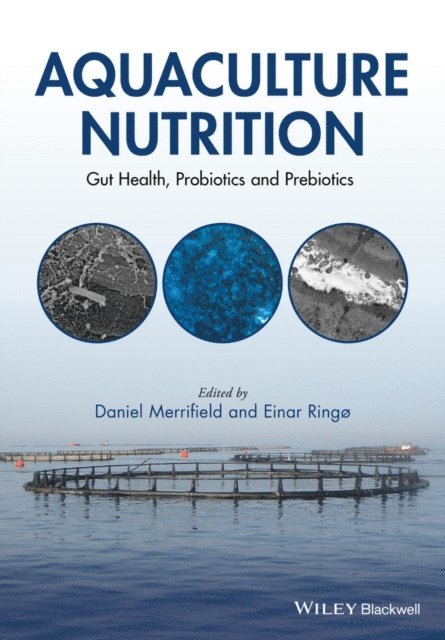
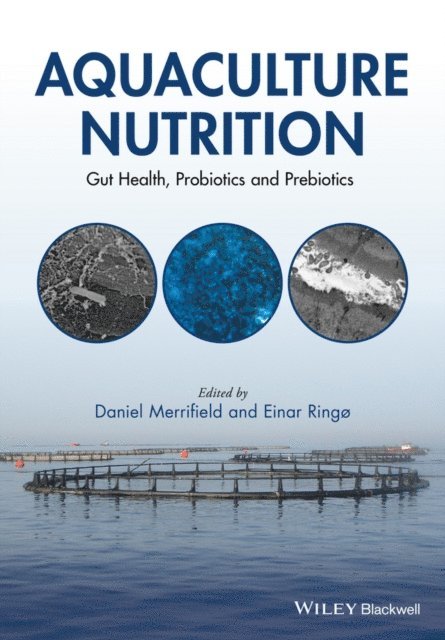
Aquaculture Nutrition: Gut Health, Probiotics and Prebiotics provides a comprehensive overview of the current knowledge of the gut microbiomes of fish and their importance with respect to host-fish health and performance, providing in-depth, cutting-edge fundamental and applied information.
Written by many of the world’s leading authorities and edited by Dr Daniel Merrifield and Professor Einar Ringø, this important book discusses in detail the common mechanisms for modulating microbiomes, particularly at the gut level (e.g. probiotics, prebiotics and synbiotics). The book is a key resource for an understanding of the historical development of these products, their known mechanisms of action and their degree of efficacy as presently demonstrated in the literature.
The fundamental material provided on the gut microbiota itself, and more broad aspects of microbe-live feed interactions, provide essential reading for researchers, academics and students in the areas of aquaculture nutrition, fish veterinary science, microbiology, aquaculture, fish biology and fisheries. Those involved in the development and formulation of aquaculture feeds and those with broader roles within the aquaculture industry will find a huge wealth of commercially-important information within the book’s covers. All libraries in universities and research establishments where biological sciences, nutrition and aquaculture are studied and taught, should have copies of this excellent book on their shelves.
2 335 kr
Läs direkt efter köp
Manipulation of the microbial gut content of farmed fishes and crustaceans can have a marked effect on their general health, growth, and quality. Expertly covering the science behind the use of prebiotics and probiotics this landmark book explains how the correct manipulation of the gut flora of farmed fishes and crustaceans can have a positive effect on their health, growth rates, feed utilization, and general wellbeing.
Aquaculture Nutrition: Gut Health, Probiotics and Prebiotics provides a comprehensive overview of the current knowledge of the gut microbiomes of fish and their importance with respect to host-fish health and performance, providing in-depth, cutting-edge fundamental and applied information.
Written by many of the world’s leading authorities and edited by Dr Daniel Merrifield and Professor Einar Ringø, this important book discusses in detail the common mechanisms for modulating microbiomes, particularly at the gut level (e.g. probiotics, prebiotics and synbiotics). The book is a key resource for an understanding of the historical development of these products, their known mechanisms of action and their degree of efficacy as presently demonstrated in the literature.
The fundamental material provided on the gut microbiota itself, and more broad aspects of microbe-live feed interactions, provide essential reading for researchers, academics and students in the areas of aquaculture nutrition, fish veterinary science, microbiology, aquaculture, fish biology and fisheries. Those involved in the development and formulation of aquaculture feeds and those with broader roles within the aquaculture industry will find a huge wealth of commercially-important information within the book’s covers. All libraries in universities and research establishments where biological sciences, nutrition and aquaculture are studied and taught, should have copies of this excellent book on their shelves.