E.J. Kirk – författare
Visar alla böcker från författaren E.J. Kirk. Handla med fri frakt och snabb leverans.
5 produkter
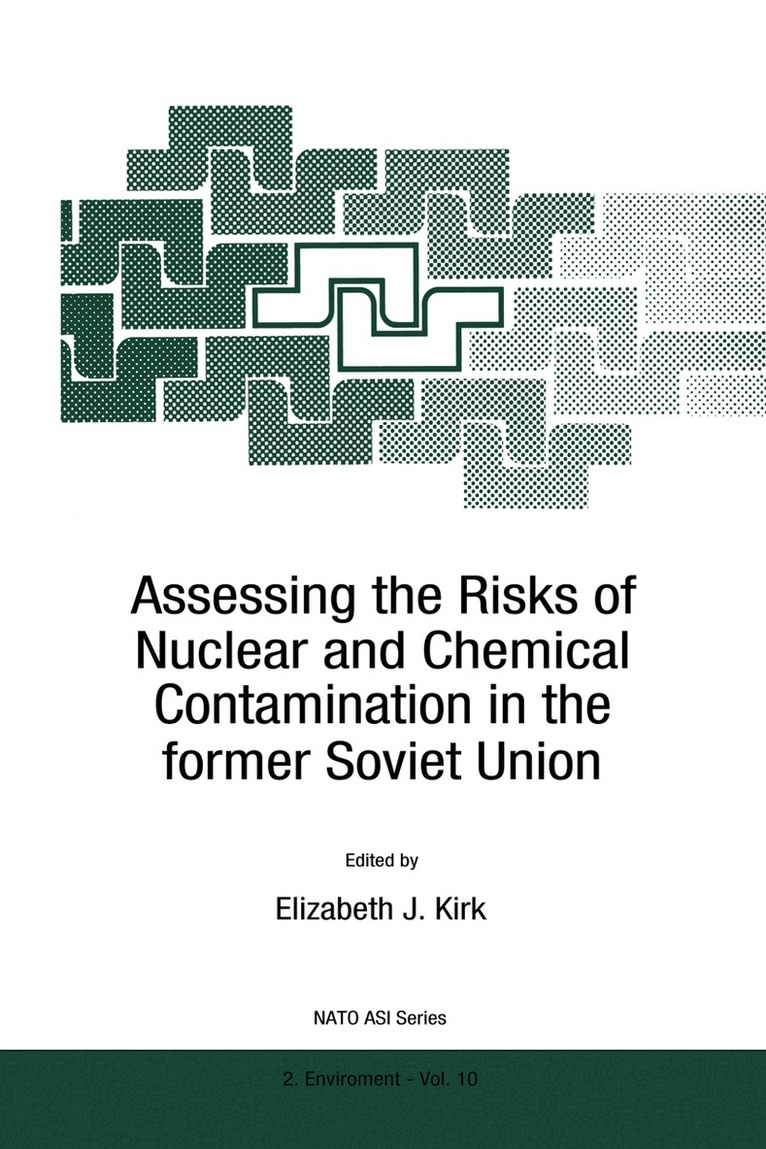
Assessing the Risks of Nuclear and Chemical Contamination in the former Soviet Union
Av E.J. Kirk
Inbunden, 1996
1098 kr
Lägg i varukorg
Risk assessment has come to assume acute importance in the former Soviet Union since money is so scarce, yet the needs for cleanup are so huge. Other factors contribute to this situation, too: New leaders are still emerging, and governmental structures are still evolving. This creates a particular …
Assessing the Risks of Nuclear and Chemical Contamination in the former Soviet Union
Av E.J. Kirk
E-bok, 2012
1459 kr
Lägg i varukorg
Risk assessment has come to assume acute importance in the former Soviet Union since money is so scarce, yet the needs for cleanup are so huge. Other factors contribute to this situation, too: New leaders are still emerging, and governmental structures are still evolving. This creates a particular …
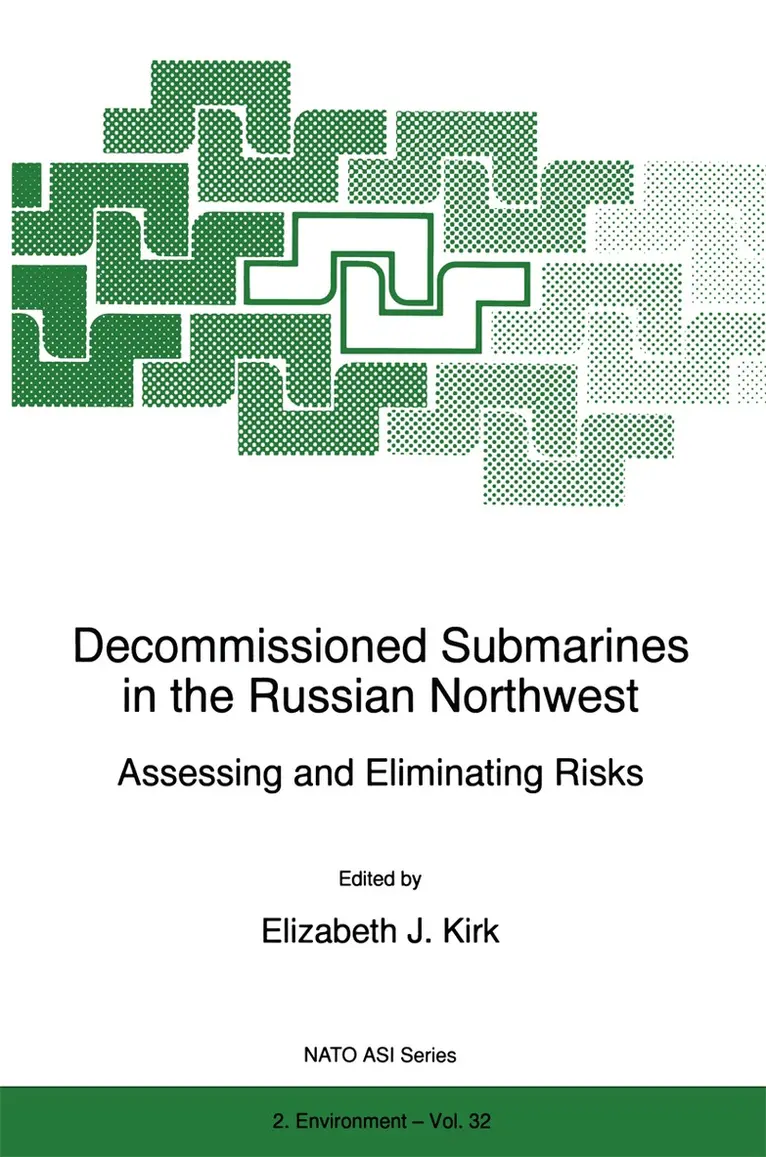
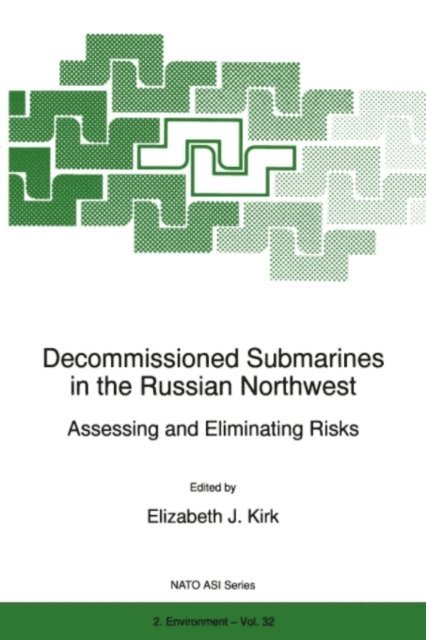
Decommissioned Submarines in the Russian Northwest
Assessing and Eliminating Risks
Av E.J. Kirk
Häftad, 2012
551 kr
Lägg i varukorg
Until the late 1970s, most commercial power plant operators outside the United States adopted a spent fuel management policy of immediate reprocessing and recycling of recovered products. In response to rising reprocessing prices, decreasing values of re covered products, concerns over …
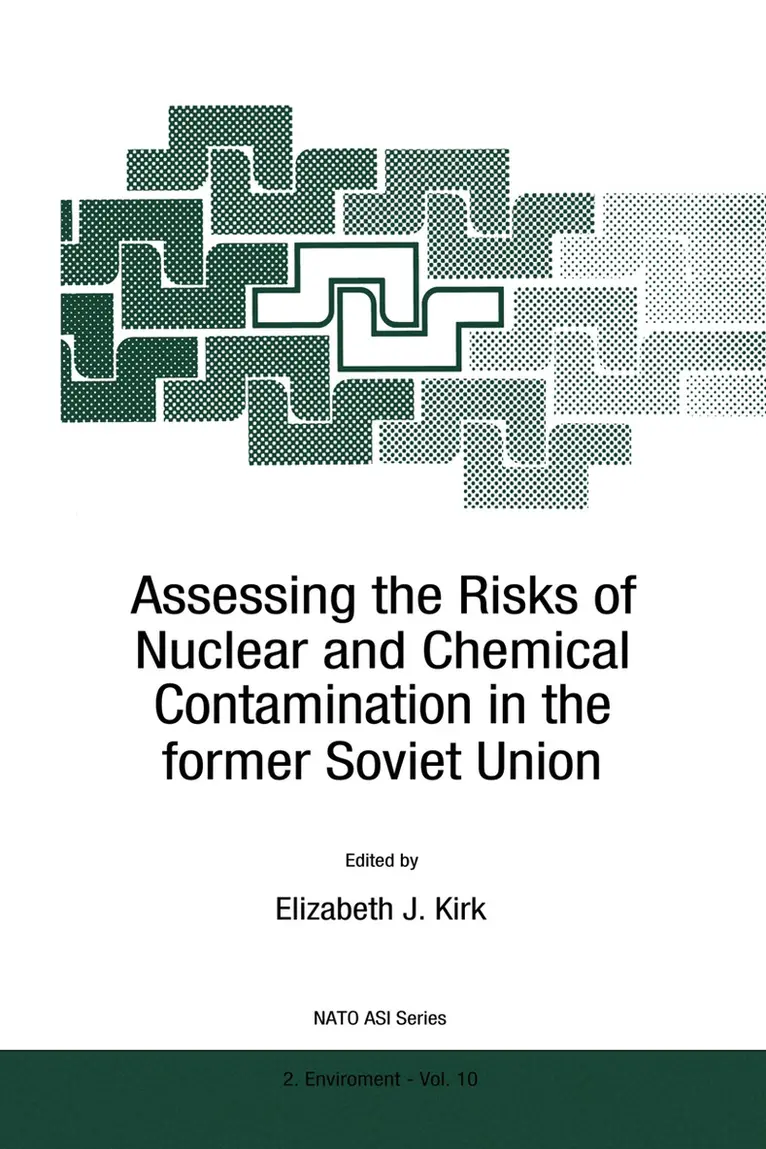
Assessing the Risks of Nuclear and Chemical Contamination in the former Soviet Union
Häftad, 2011
1098 kr
Lägg i varukorg
Risk assessment has come to assume acute importance in the former Soviet Union since money is so scarce, yet the needs for cleanup are so huge. Other factors contribute to this situation, too: New leaders are still emerging, and governmental structures are still evolving. This creates a particular …
Decommissioned Submarines in the Russian Northwest
Assessing and Eliminating Risks
Av E.J. Kirk
E-bok, 2012
734 kr
Lägg i varukorg
Until the late 1970s, most commercial power plant operators outside the United States adopted a spent fuel management policy of immediate reprocessing and recycling of recovered products. In response to rising reprocessing prices, decreasing values of re covered products, concerns over …