Elena Casetta – författare
Visar alla böcker från författaren Elena Casetta. Handla med fri frakt och snabb leverans.
7 produkter
From Assessing to Conserving Biodiversity
Av Davide Vecchi, Jorge Marques Da Silva m. fl.
Häftad, 2020
785 kr
Lägg i varukorg
From Assessing to Conserving Biodiversity
Av Davide Vecchi, Jorge Marques Da Silva m. fl.
Inbunden, 2020
878 kr
Lägg i varukorg
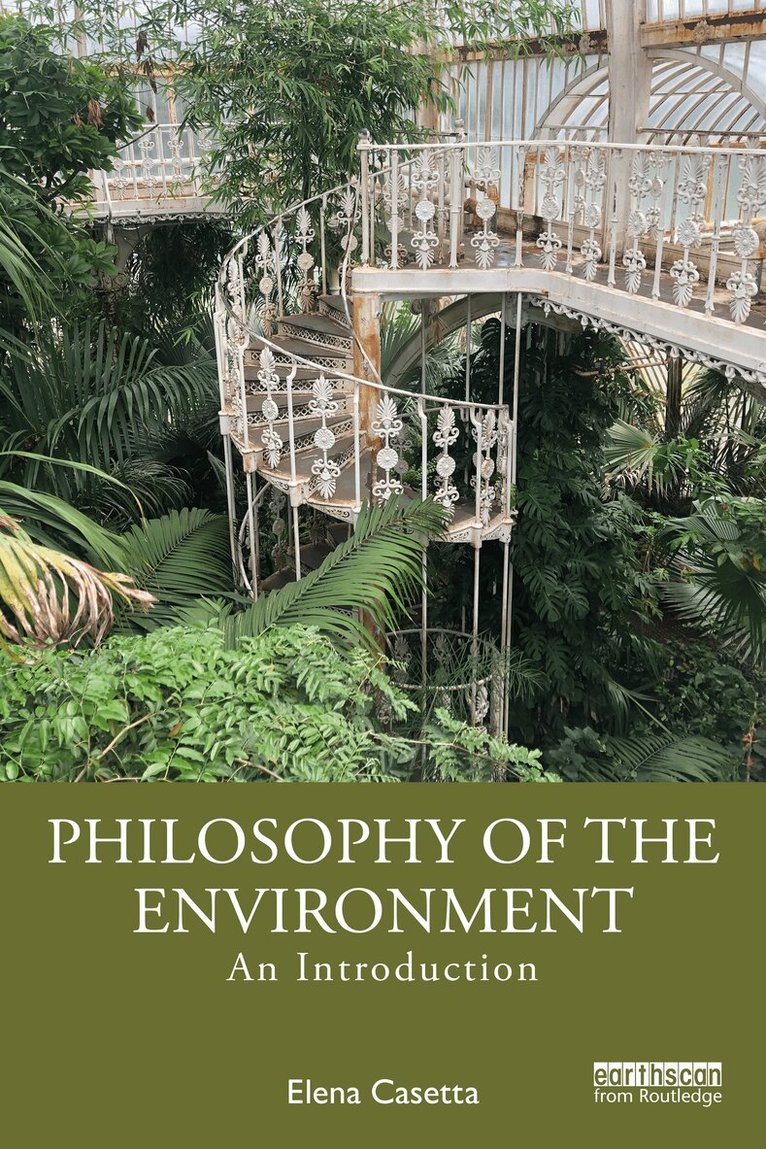
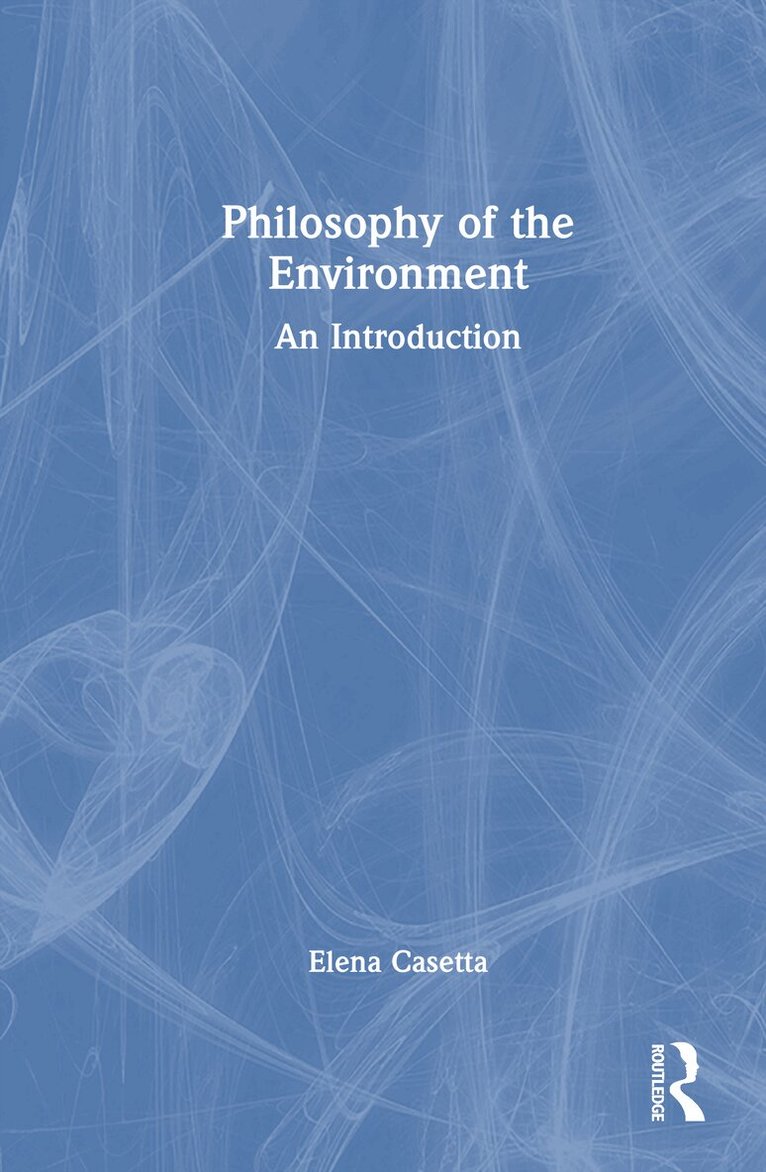
Philosophy of the Environment
An Introduction
Häftad, 2024
589 kr
Lägg i varukorg
This textbook offers a reasoned and accessible introduction to the philosophy of the environment and the current environmental crisis, designed for scholars and students in both philosophy and the natural and environmental sciences.The volume addresses the history and meanings of the concept of …
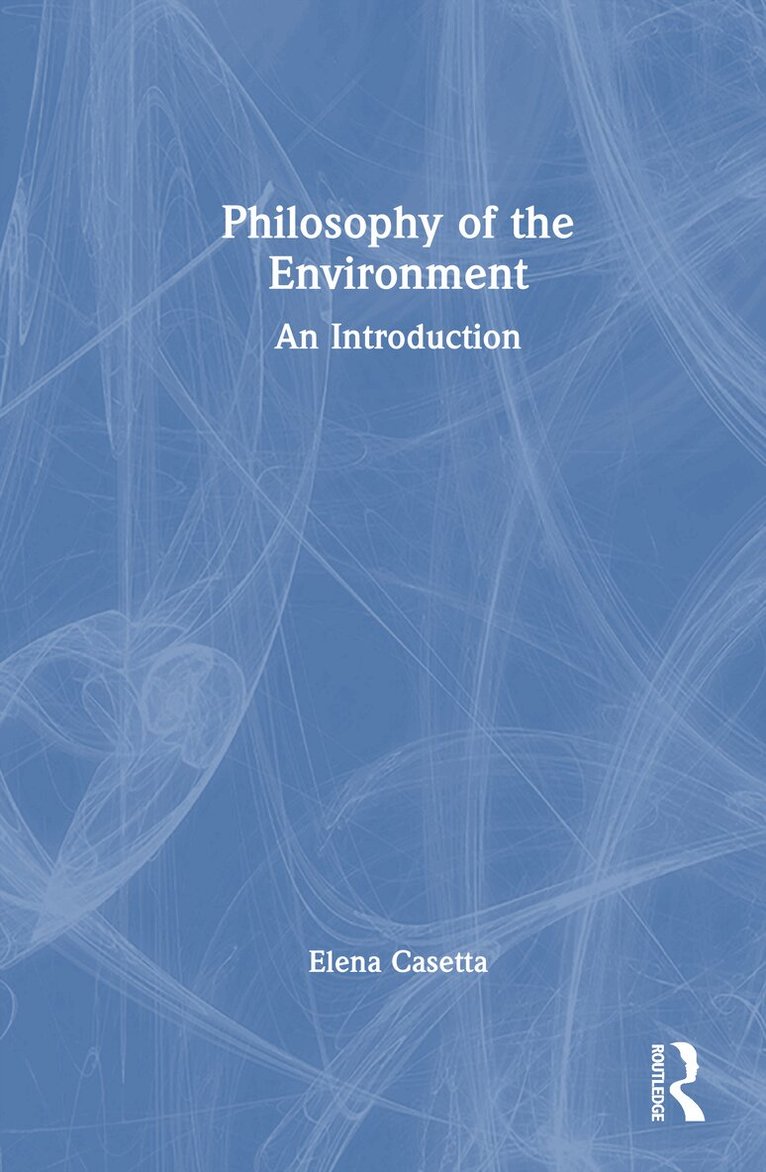
Philosophy of the Environment
An Introduction
Inbunden, 2024
2510 kr
Lägg i varukorg
This textbook offers a reasoned and accessible introduction to the philosophy of the environment and the current environmental crisis, designed for scholars and students in both philosophy and the natural and environmental sciences.The volume addresses the history and meanings of the concept of …
Philosophy of the Environment
An Introduction
E-bok, 2024
624 kr
Lägg i varukorg
This textbook offers a reasoned and accessible introduction to the philosophy of the environment and the current environmental crisis, designed for scholars and students in both philosophy and the natural and environmental sciences.The volume addresses the history and meanings of the concept of …
Philosophy of the Environment
An Introduction
E-bok, 2024
624 kr
Lägg i varukorg
This textbook offers a reasoned and accessible introduction to the philosophy of the environment and the current environmental crisis, designed for scholars and students in both philosophy and the natural and environmental sciences.The volume addresses the history and meanings of the concept of …
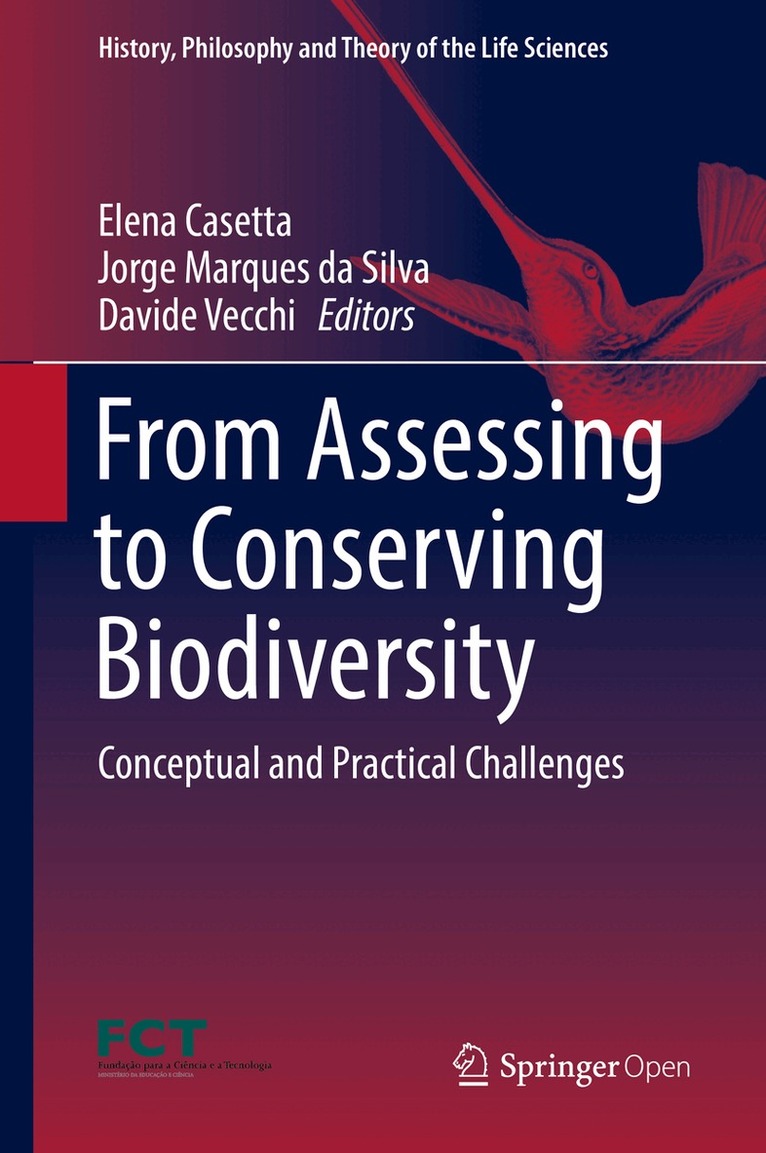
From Assessing to Conserving Biodiversity
Conceptual and Practical Challenges
Av Elena Casetta, Jorge Marques da Silva m. fl.
Inbunden, 2019
550 kr
Lägg i varukorg
This open access book features essays written by philosophers, biologists, ecologists and conservation scientists facing the current biodiversity crisis. Despite increasing communication, accelerating policy and management responses, and notwithstanding improving ecosystem assessment and endangered …