Eleonora Rocconi - Böcker
Visar alla böcker från författaren Eleonora Rocconi. Handla med fri frakt och snabb leverans.
4 produkter
4 produkter
2 203 kr
Skickas inom 7-10 vardagar
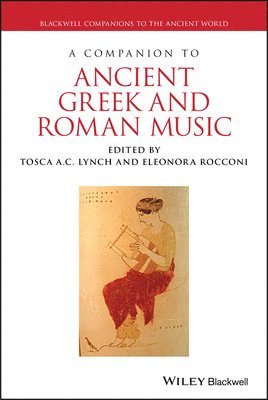
A COMPANION TO ANCIENT GREEK AND ROMAN MUSIC A comprehensive guide to music in Classical Antiquity and beyond Drawing on the latest research on the topic, A Companion to Ancient Greek and Roman Music provides a detailed overview of the most important issues raised by the study of ancient Greek and Roman music. An international panel of contributors, including leading experts as well as emerging voices in the field, examine the ancient ‘Art of the Muses’ from a wide range of methodological, theoretical, and practical perspectives. Written in an engaging and accessible style, this book explores the pervasive presence of the performing arts in ancient Greek and Roman culture—ranging from musical mythology to music theory and education, as well as archaeology and the practicalities of performances in private and public contexts. But this Companion also explores the broader roles played by music in the Graeco-Roman world, examining philosophical, psychological, medical and political uses of music in antiquity, and aspects of its cultural heritage in Mediaeval and Modern times. This book debunks common myths about Greek and Roman music, casting light on yet unanswered questions thanks to newly discovered evidence. Each chapter includes a discussion of the tools or methodologies that are most appropriate to address different topics, as well as detailed case studies illustrating their effectiveness. This book Offers new research insights that will contribute to the future developments of the field, outlining new interdisciplinary approaches to investigate the importance of performing arts in the ancient world and its reception in modern cultureTraces the history and development of ancient Greek and Roman music, including their Near Eastern roots, following a thematic approachShowcases contributions from a wide range of disciplines and international scholarly traditionsExamines the political, social and cultural implications of music in antiquity, including ethnicity, regional identity, gender and ideologyPresents original diagrams and transcriptions of ancient scales, rhythms, and extant scores that facilitate access to these vital aspects of ancient music for scholars as well as practicing musiciansWritten for a broad range of readers including classicists, musicologists, art historians, and philosophers, A Companion to Ancient Greek and Roman Music provides a rich, informative and thought-provoking picture of ancient music in Classical Antiquity and beyond.
468 kr
Skickas inom 7-10 vardagar
A COMPANION TO ANCIENT GREEK AND ROMAN MUSIC A comprehensive guide to music in Classical Antiquity and beyond Drawing on the latest research on the topic, A Companion to Ancient Greek and Roman Music provides a detailed overview of the most important issues raised by the study of ancient Greek and Roman music. An international panel of contributors, including leading experts as well as emerging voices in the field, examine the ancient ‘Art of the Muses’ from a wide range of methodological, theoretical, and practical perspectives. Written in an engaging and accessible style, this book explores the pervasive presence of the performing arts in ancient Greek and Roman culture—ranging from musical mythology to music theory and education, as well as archaeology and the practicalities of performances in private and public contexts. But this Companion also explores the broader roles played by music in the Graeco-Roman world, examining philosophical, psychological, medical and political uses of music in antiquity, and aspects of its cultural heritage in Mediaeval and Modern times. This book debunks common myths about Greek and Roman music, casting light on yet unanswered questions thanks to newly discovered evidence. Each chapter includes a discussion of the tools or methodologies that are most appropriate to address different topics, as well as detailed case studies illustrating their effectiveness. This book Offers new research insights that will contribute to the future developments of the field, outlining new interdisciplinary approaches to investigate the importance of performing arts in the ancient world and its reception in modern cultureTraces the history and development of ancient Greek and Roman music, including their Near Eastern roots, following a thematic approachShowcases contributions from a wide range of disciplines and international scholarly traditionsExamines the political, social and cultural implications of music in antiquity, including ethnicity, regional identity, gender and ideologyPresents original diagrams and transcriptions of ancient scales, rhythms, and extant scores that facilitate access to these vital aspects of ancient music for scholars as well as practicing musiciansWritten for a broad range of readers including classicists, musicologists, art historians, and philosophers, A Companion to Ancient Greek and Roman Music provides a rich, informative and thought-provoking picture of ancient music in Classical Antiquity and beyond.
970 kr
Skickas inom 10-15 vardagar
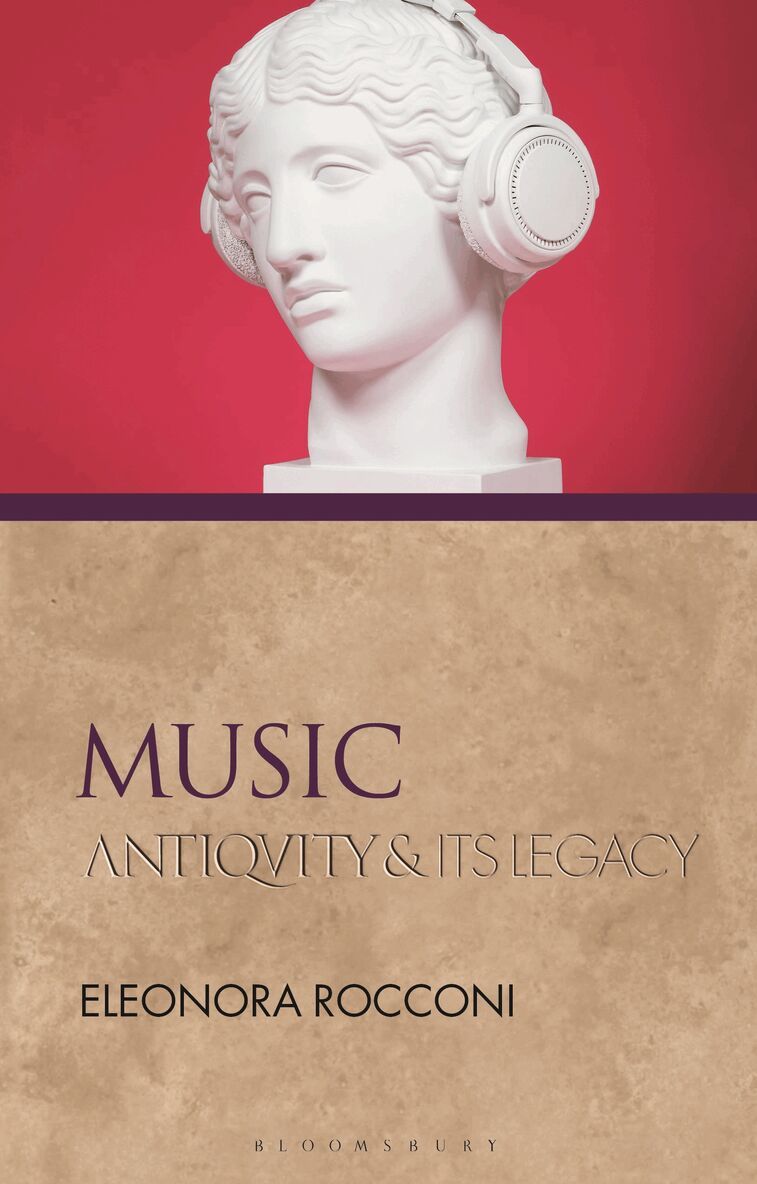
This book explores the pivotal role played by ancient mousike¯ – in all its facets – in the development of musical practices and ideas throughout history. Since antiquity, music has consistently played a significant role in social and cultural life, and although the terms in which it is expressed and the cultural meanings it conveys vary dramatically across different times and geographies, the influence of the ancient Greek concept on modern Western notions is nevertheless striking.In a series of lucid and engaging thematic chapters, Eleonora Rocconi surveys the roles and functions of the Greek notion of music from classical antiquity, through the Renaissance and early modern eras, and up to the present day. The discussion is structured around the key concepts, theoretical models and aesthetic issues at play – from the educational and therapeutic value of music, to its place in the ideal of cosmic harmony and its relationship to the senses and emotions – as well as the function of music in debates around individual and cultural identity. What emerges is a timely reassessment of the paradigmatic value of the Greek model in the musical reception of antiquity in different historical periods. It highlights the ongoing contribution of mousike¯ to modern cultural debates within the realms of classics, musicology, philosophy, aesthetics, anthropology, performance and cultural studies, as well as in artistic environments. It also offers a clear and comprehensive account of its inexhaustible source of inspiration for musicians, theorists, scholars and antiquarians across the centuries.
296 kr
Skickas inom 10-15 vardagar
This book explores the pivotal role played by ancient mousike—in all its facets—in the development of musical practices and ideas throughout history. Since antiquity, music has consistently played a significant role in social and cultural life, and although the terms in which it is expressed and the cultural meanings it conveys vary dramatically across different times and geographies, the influence of the ancient Greek concept on modern Western notions is nevertheless striking. In a series of lucid and engaging thematic chapters, Eleonora Rocconi surveys the roles and functions of music from classical antiquity, through the Renaissance and early modern eras, and up to the present day. The discussion is structured around the key concepts, theoretical models, and aesthetic issues at play - from the educational and therapeutic value of music to its place in the ideal of cosmic harmony and its relationship to the senses and emotions - as well as the function of music in debates around individual and cultural identity. What emerges is a timely reassessment of the paradigmatic value of the Greek model in the musical reception of antiquity in different historical periods. It highlights the ongoing contribution of mousike to modern cultural debates within the realms of classics, musicology, philosophy, aesthetics, anthropology, performance, and cultural studies, as well as in artistic environments, and offers a clear and comprehensive account of its inexhaustible source of inspiration for musicians, theorists, scholars, and antiquarians across the centuries.