Eli Pfefferkorn – författare
Visar alla böcker från författaren Eli Pfefferkorn. Handla med fri frakt och snabb leverans.
6 produkter
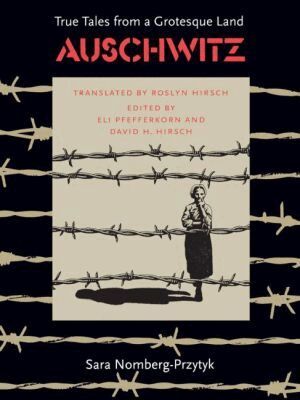
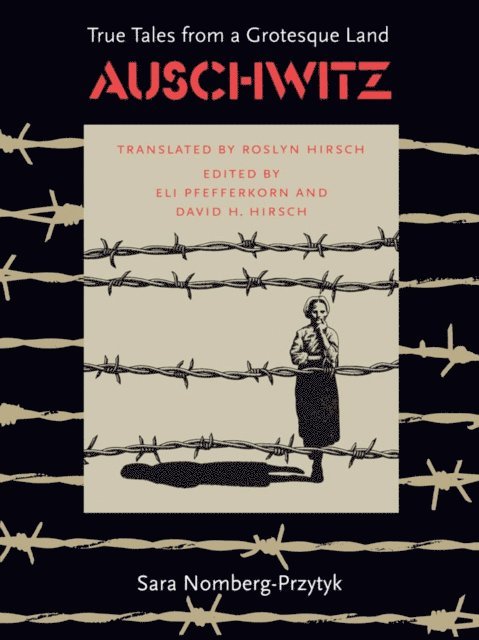
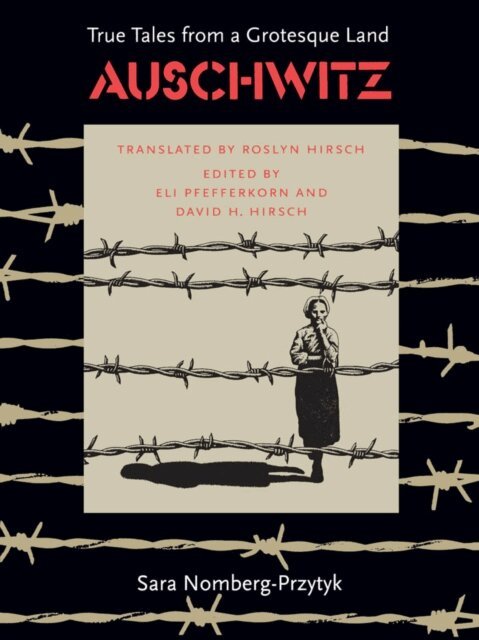
Auschwitz
True Tales from a Grotesque Land
Av Sara Nomberg-Przytyk, Eli Pfefferkorn m. fl.
Häftad, 1986
351 kr
Lägg i varukorg
From the moment I got to Auschwitz I was completely detached. I disconnected my heart and intellect in an act of self-defense, despair, and hopelessness."" With these words Sara Nomberg-Przytyk begins this painful and compelling account of her experiences while imprisoned for two years in the …
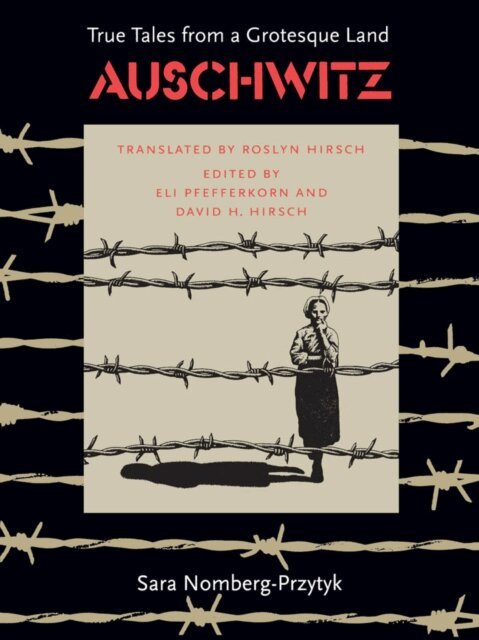
Auschwitz
True Tales From a Grotesque Land
Av Sara Nomberg-Przytyk, David H. Hirsch m. fl.
E-bok, 2009
277 kr
Lägg i varukorg
“From the moment I got to Auschwitz I was completely detached. I disconnected my heart and intellect in an act of self-defense, despair, and hopelessness.” With these words Sara Nomberg-Przytyk begins this painful and compelling account of her experiences while imprisoned for two years in the …
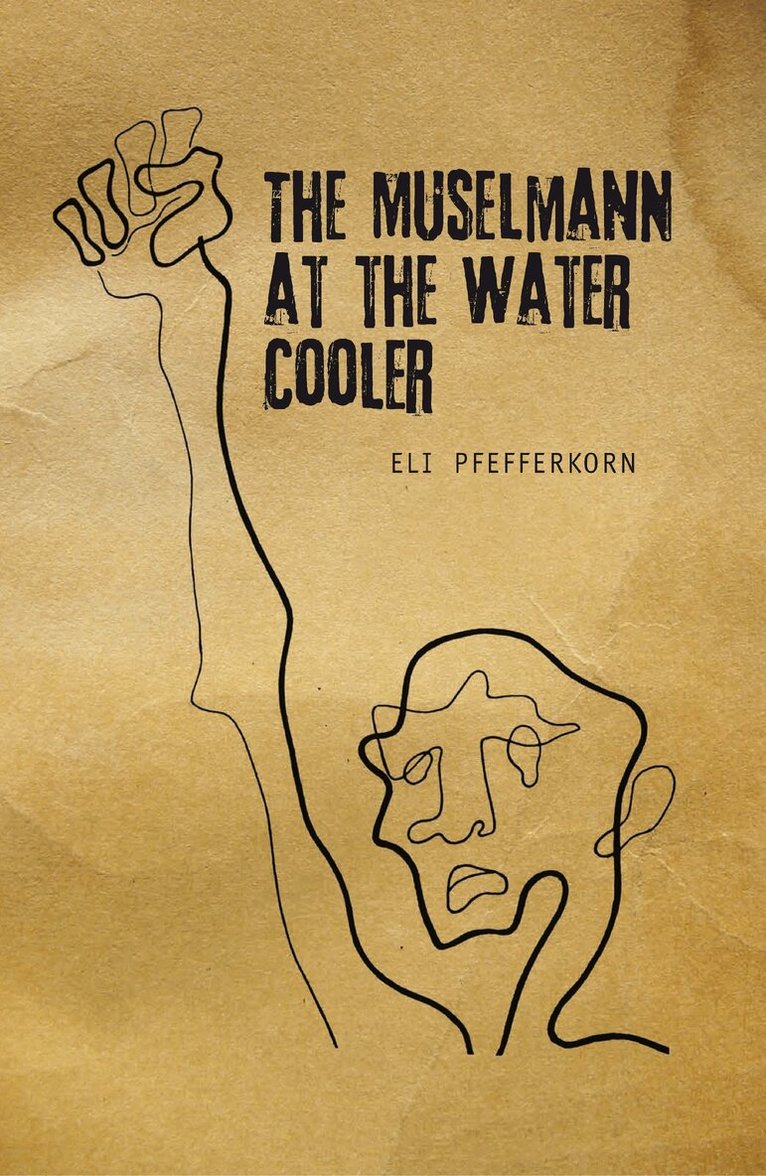
Müselmann at the Water Cooler
Häftad, 2012
255 kr
Lägg i varukorg
Winner of the 2012 Helen and Stan Vine Canadian Jewish Book Award in Holocaust Literature. A survivor of concentration camps and the Death March, Eli Pfefferkorn looks back on his Holocaust and post-Holocaust experiences to compare patterns of human behavior in extremis with those of ordinary life. …
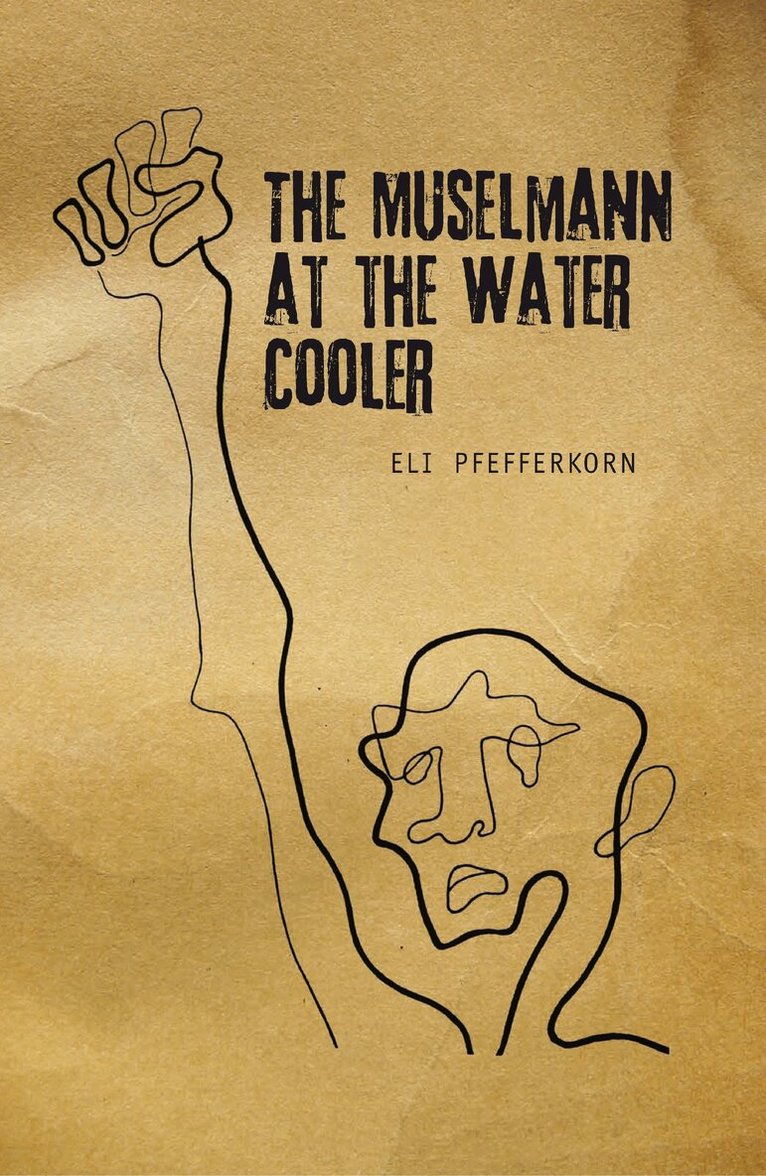
Müselmann at the Water Cooler
Inbunden, 2011
1104 kr
Lägg i varukorg
Winner of the 2012 Helen and Stan Vine Canadian Jewish Book Award in Holocaust Literature. A survivor of concentration camps and the Death March, Eli Pfefferkorn looks back on his Holocaust and post-Holocaust experiences to compare patterns of human behavior in extremis with those of ordinary life. …
Auschwitz
True Tales From a Grotesque Land
Av Sara Nomberg-Przytyk, David H. Hirsch m. fl.
E-bok, 2009
286 kr
Lägg i varukorg
“From the moment I got to Auschwitz I was completely detached. I disconnected my heart and intellect in an act of self-defense, despair, and hopelessness.” With these words Sara Nomberg-Przytyk begins this painful and compelling account of her experiences while imprisoned for two years in the …
Auschwitz
True Tales From a Grotesque Land
Av Sara Nomberg-Przytyk, David H. Hirsch m. fl.
E-bok, 2009
708 kr
Lägg i varukorg
From the moment I got to Auschwitz I was completely detached. I disconnected my heart and intellect in an act of self-defense, despair, and hopelessness. With these words Sara Nomberg-Przytyk begins this painful and compelling account of her experiences while imprisoned for two years in the …