Elias Berner – författare
Visar alla böcker från författaren Elias Berner. Handla med fri frakt och snabb leverans.
4 produkter
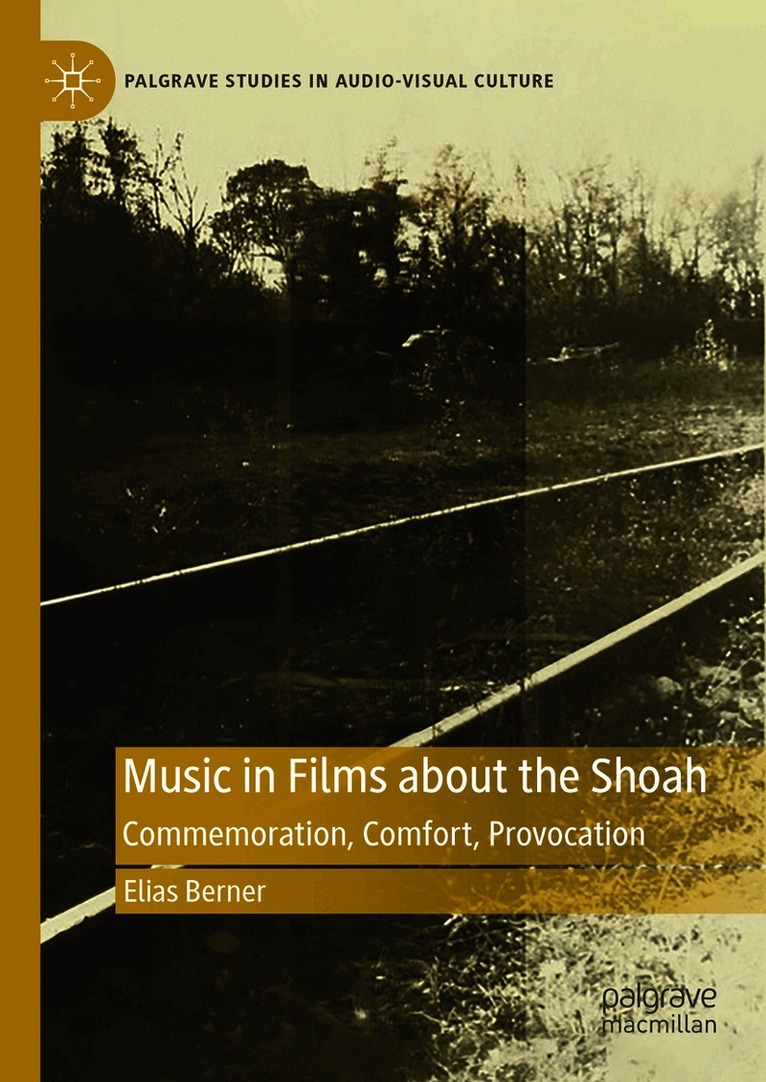
Music in Films about the Shoah
Commemoration, Comfort, Provocation
Av Elias Berner
Inbunden, 2024
1355 kr
Lägg i varukorg
This book focuses on the aural and musical sphere of fictional audio-visual reconstructions of the Holocaust, a defining event in the history of the 20th century. Musicology has seen an increasing number of works on the function of film music and the construction of identity in media contexts in …
Music in Films about the Shoah
Commemoration, Comfort, Provocation
Av Elias Berner
E-bok, 2024
1806 kr
Lägg i varukorg
This book focuses on the aural and musical sphere of fictional audio-visual reconstructions of the Holocaust, a defining event in the history of the 20th century. Musicology has seen an increasing number of works on the function of film music and the construction of identity in media contexts in …
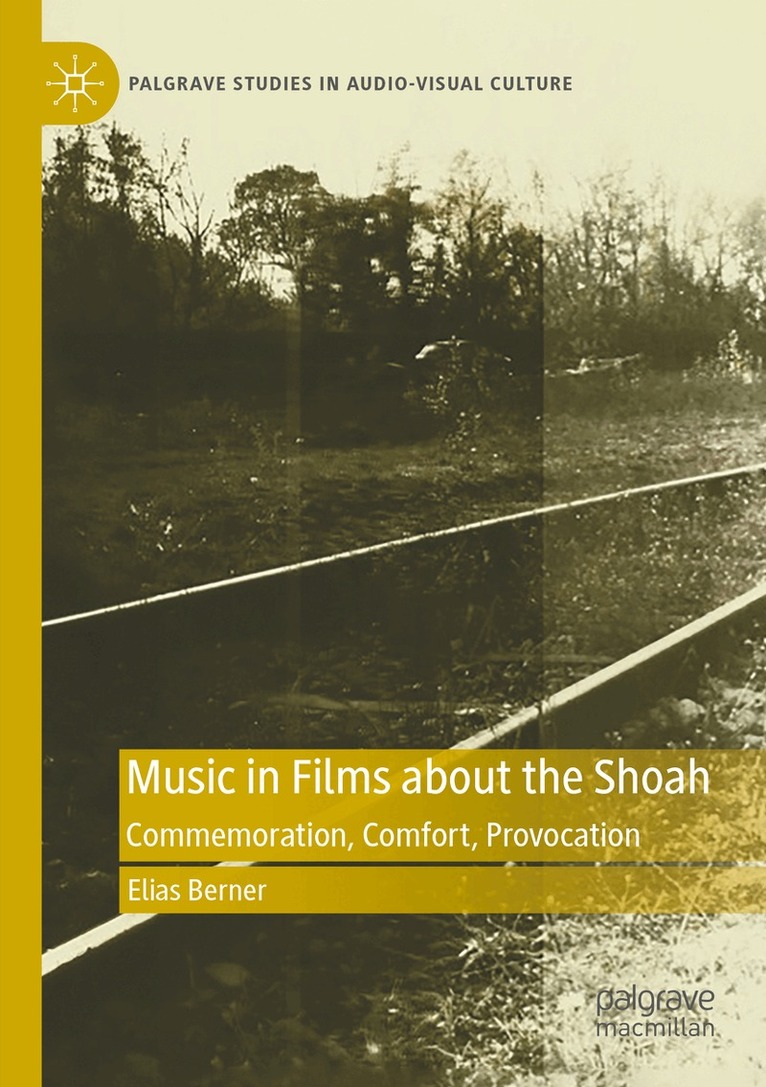
Music in Films about the Shoah
Commemoration, Comfort, Provocation
Av Elias Berner
Häftad, 2025
1355 kr
Lägg i varukorg
This book focuses on the aural and musical sphere of fictional audio-visual reconstructions of the Holocaust, a defining event in the history of the 20th century. Musicology has seen an increasing number of works on the function of film music and the construction of identity in media contexts in …
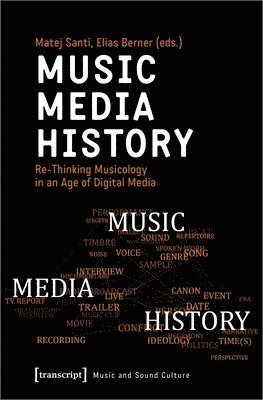
Music – Media – History – Re–Thinking Musicology in an Age of Digital Media
Av Matej Santi, Elias Berner m. fl.
Häftad, 2021
872 kr
Lägg i varukorg
Music and sound shape the emotional content of audio-visual media and carry different meanings. This volume considers audio-visual material as a primary source for historiography. By analyzing how the same sounds are used in different media contexts at different times, the contributors intend to …