Elif M. Gokcigdem - Böcker
Visar alla böcker från författaren Elif M. Gokcigdem. Handla med fri frakt och snabb leverans.
6 produkter
6 produkter
1 383 kr
Skickas inom 10-15 vardagar
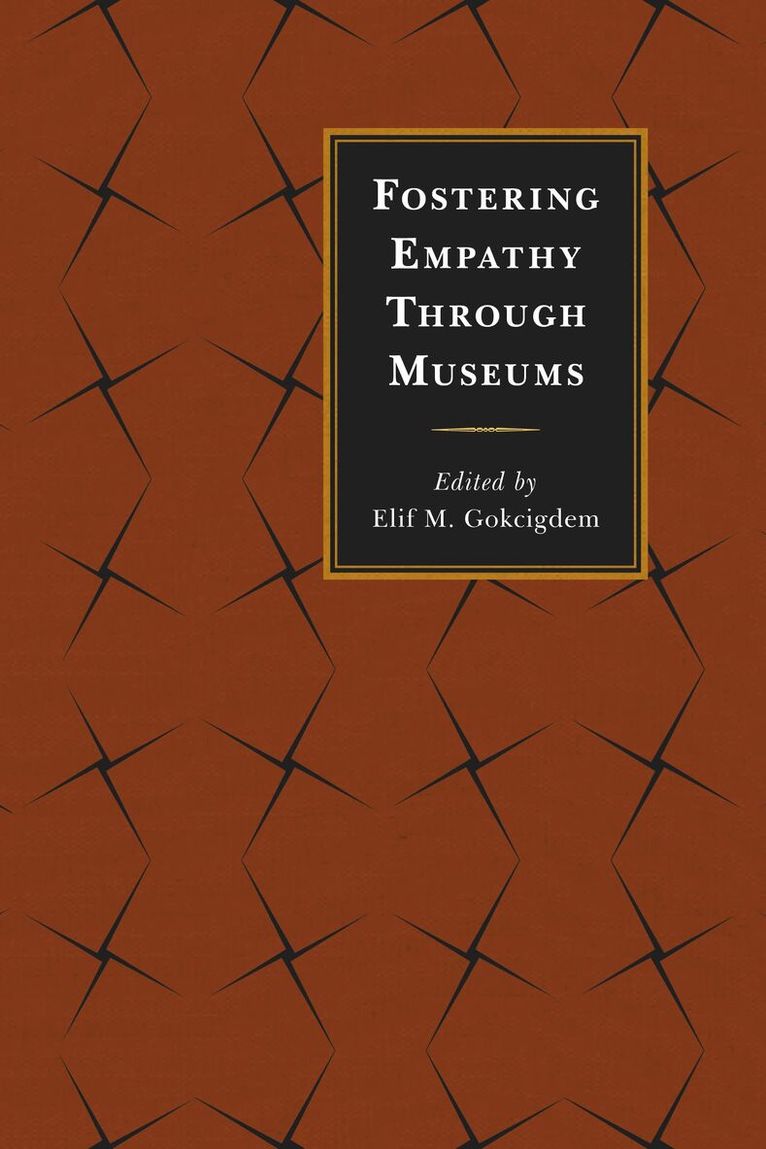
Fostering Empathy through Museums features fifteen case studies with clear take-away ideas, and lessons learned by vividly illustrating a spectrum of approaches in the way museums are currently employing empathy, a critical skill that is relevant to personal, institutional, economical, and societal progress. The need is rapidly growing for empathy to serve as a lens through which we find our purpose and connection in a complex world. This demand brings with it an appetite to cultivate it through safe and trusted platforms. Museums are uniquely equipped to undertake this important mission. This book will help museum staff and leadership at all levels working at a variety of museums (from animal sanctuaries to art museums, from historic house museums to children's and science museums) to better understand the multitude of ways how empathy can be cultivated, and employed in museum setting. Fostering Empathy through Museums will provide inspiration, examples, and lessons learned from a balanced spectrum of museums currently employing empathy in museum setting: as an educational tool to better connect their content with the audience, as an integral element of a museum's institutional values and behavior, and as a phenomenon that is worthy of exploration on its own and as an intentional outcome. This publication provides museum professionals as well as formal and informal learning educators to receive an overview of the variety of approaches to empathy in museums, and to create a shared language and methodologies that could enable them to utilize and nurture empathy as a "shared vision" that would serve not only their organizational mission, but also the greater good.Empathy can be a tool, or an intentional outcome depending on the institution’s objectives. Regardless of the choice, the ideas presented in this book are intended to inform and inspire institutions to unlock exciting possibilities in the areas of improved visitor experience, creative community partnerships, and contribution to social progress by bringing empathy to public discourse through institutional strategies, exhibitions, experiences, and programs. The book also provides ideas for future strategies where empathy is considered as a "shared vision" by museums, and a product of a museum experience that might lead to positive social impact.
695 kr
Skickas inom 10-15 vardagar
Fostering Empathy through Museums features fifteen case studies with clear take-away ideas, and lessons learned by vividly illustrating a spectrum of approaches in the way museums are currently employing empathy, a critical skill that is relevant to personal, institutional, economical, and societal progress. The need is rapidly growing for empathy to serve as a lens through which we find our purpose and connection in a complex world. This demand brings with it an appetite to cultivate it through safe and trusted platforms. Museums are uniquely equipped to undertake this important mission. This book will help museum staff and leadership at all levels working at a variety of museums (from animal sanctuaries to art museums, from historic house museums to children's and science museums) to better understand the multitude of ways how empathy can be cultivated, and employed in museum setting. Fostering Empathy through Museums will provide inspiration, examples, and lessons learned from a balanced spectrum of museums currently employing empathy in museum setting: as an educational tool to better connect their content with the audience, as an integral element of a museum's institutional values and behavior, and as a phenomenon that is worthy of exploration on its own and as an intentional outcome. This publication provides museum professionals as well as formal and informal learning educators to receive an overview of the variety of approaches to empathy in museums, and to create a shared language and methodologies that could enable them to utilize and nurture empathy as a "shared vision" that would serve not only their organizational mission, but also the greater good.Empathy can be a tool, or an intentional outcome depending on the institution’s objectives. Regardless of the choice, the ideas presented in this book are intended to inform and inspire institutions to unlock exciting possibilities in the areas of improved visitor experience, creative community partnerships, and contribution to social progress by bringing empathy to public discourse through institutional strategies, exhibitions, experiences, and programs. The book also provides ideas for future strategies where empathy is considered as a "shared vision" by museums, and a product of a museum experience that might lead to positive social impact.
1 626 kr
Skickas inom 10-15 vardagar
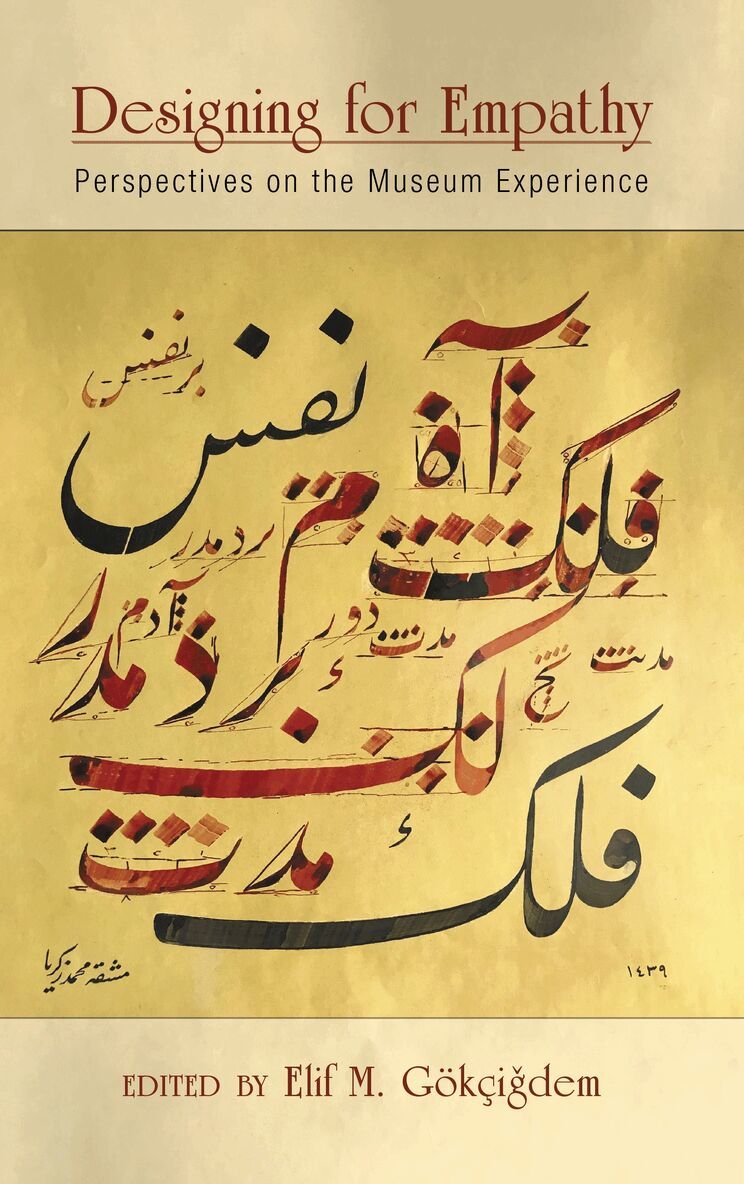
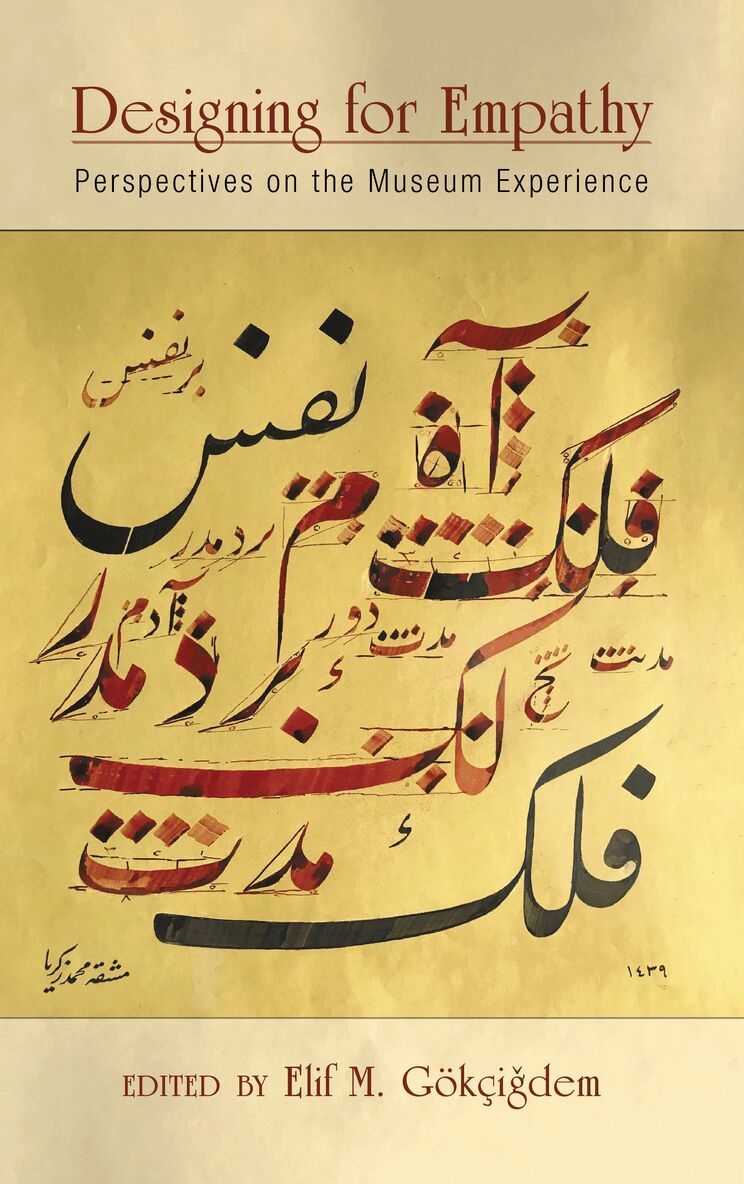
As museums are currently shaping their tools for fostering empathy as an intentional outcome of museum experiences, the idea of empathy-building is reshaping them as socially relevant institutions that increasingly value diversity, accessibility, and equality. This is a non-linear, multi-layered, and multi-dimensional transformation that requires multidisciplinary, cross-industry, and cross-sector alliances for its sustainability. The potential of this collective transformation effort includes the invention of unconventional, evidence-based, and sustainable solutions that can be scaled up beyond the walls of traditional museums to all kinds of informal learning platforms to help eliminate the empathy-deficit in our world.Designing for Empathy expands our understanding of empathy and its potential for fostering compassionate worldviews and actions through a multidisciplinary exploration in three parts: “The Object of Our Empathy” explores how we define and perceive the “Other;” “The Alchemy of Empathy” introduces thirteen design elements of empathy that might lead to transformative learning experiences; and “The Scope and the Spectrum of Empathy” highlights the importance of positioning empathy as a cross-industrial shared value for the benefit of people and the planet.Designing for Empathy will inspire and empower those who are interested in intentionally designing for empathy to cultivate compassionate worldviews and actions that celebrate and preserve the oneness of all people, the environment, and our planet.
836 kr
Skickas inom 10-15 vardagar
As museums are currently shaping their tools for fostering empathy as an intentional outcome of museum experiences, the idea of empathy-building is reshaping them as socially relevant institutions that increasingly value diversity, accessibility, and equality. This is a non-linear, multi-layered, and multi-dimensional transformation that requires multidisciplinary, cross-industry, and cross-sector alliances for its sustainability. The potential of this collective transformation effort includes the invention of unconventional, evidence-based, and sustainable solutions that can be scaled up beyond the walls of traditional museums to all kinds of informal learning platforms to help eliminate the empathy-deficit in our world.Designing for Empathy expands our understanding of empathy and its potential for fostering compassionate worldviews and actions through a multidisciplinary exploration in three parts: “The Object of Our Empathy” explores how we define and perceive the “Other;” “The Alchemy of Empathy” introduces thirteen design elements of empathy that might lead to transformative learning experiences; and “The Scope and the Spectrum of Empathy” highlights the importance of positioning empathy as a cross-industrial shared value for the benefit of people and the planet.Designing for Empathy will inspire and empower those who are interested in intentionally designing for empathy to cultivate compassionate worldviews and actions that celebrate and preserve the oneness of all people, the environment, and our planet.
545 kr
Skickas inom 7-10 vardagar
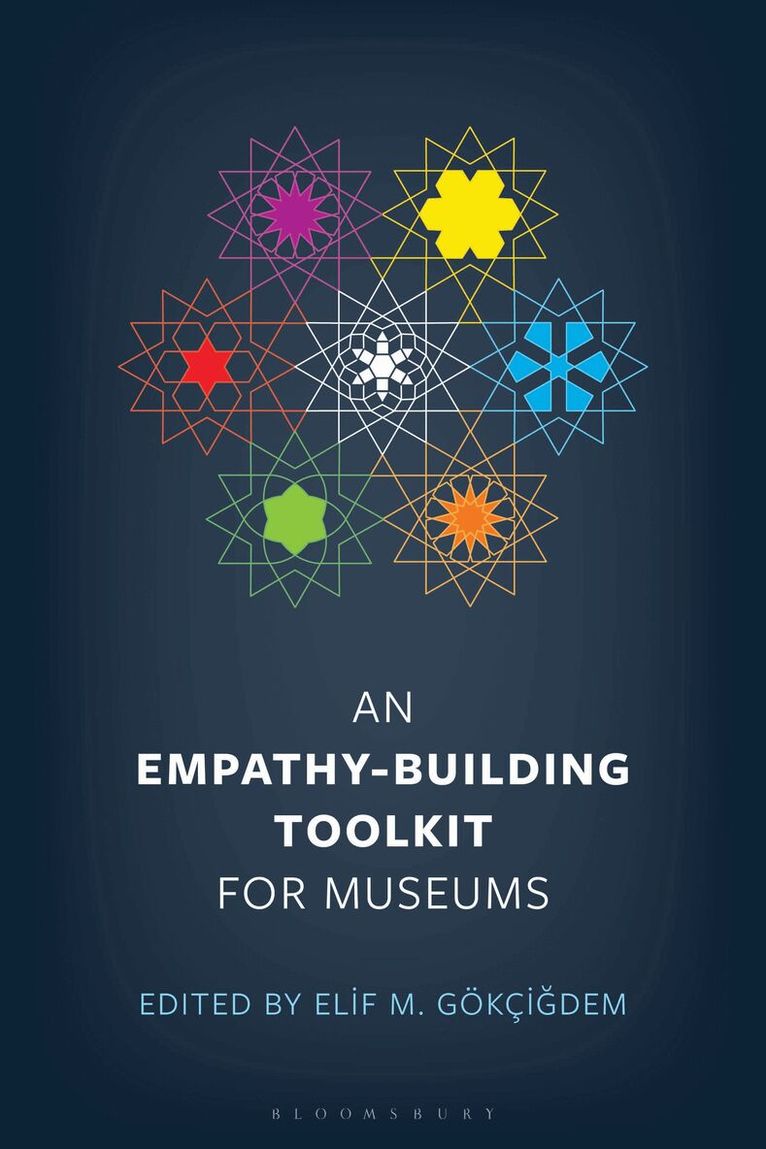
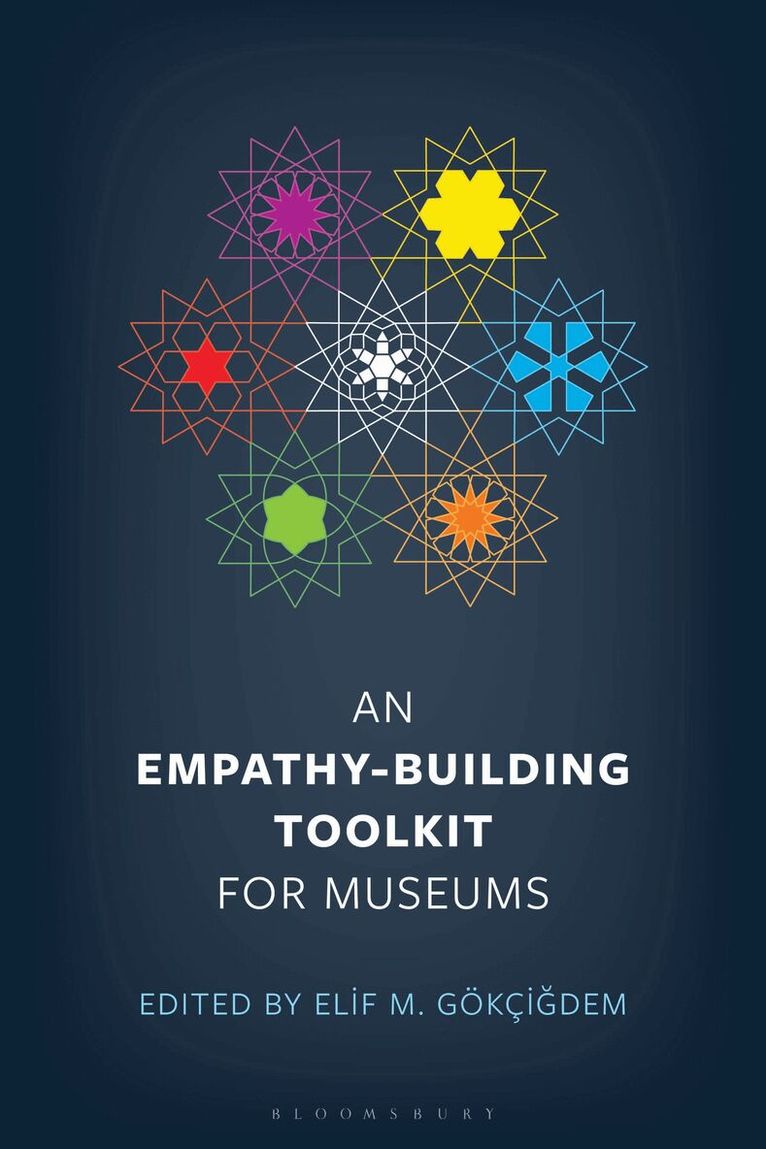
Museums as informal learning platforms that reflect the subjects, themes, and contexts representing all aspects of life, have a unique advantage and a responsibility to contribute to empathy-building in our world by offering opportunities for experiential learning of empathy as a portal to a deep understanding of our interconnected and interdependent existence. Within this context, empathy is defined as a form of perception, enabling us to connect with ourselves and others through a cultivation of self-knowledge. This is key to take sustainable actions towards major global challenges our world is facing, such as fragmentation, othering, as well as social and environmental injustices.An Empathy-Building Toolkit for Museums will offer a rich variety of practical and multidisciplinary solutions to empathy-building with potential for adaptation, implementation, and scaling through a variety of museums, and other informal learning platforms, that aspire to become incubators of empathy in their respective sectors, institutions, systems, and communities. Whether museum visitors are engaging with art, religious objects, or animals, cultural heritage professionals can use the strategies outlined in this book to foster empathy and reflection, making museums a more transformative and enlightening experience.
1 528 kr
Skickas inom 10-15 vardagar
Museums as informal learning platforms that reflect the subjects, themes, and contexts representing all aspects of life, have a unique advantage and a responsibility to contribute to empathy-building in our world by offering opportunities for experiential learning of empathy as a portal to a deep understanding of our interconnected and interdependent existence. Within this context, empathy is defined as a form of perception, enabling us to connect with ourselves and others through a cultivation of self-knowledge. This is key to take sustainable actions towards major global challenges our world is facing, such as fragmentation, othering, as well as social and environmental injustices.An Empathy-Building Toolkit for Museums will offer a rich variety of practical and multidisciplinary solutions to empathy-building with potential for adaptation, implementation, and scaling through a variety of museums, and other informal learning platforms, that aspire to become incubators of empathy in their respective sectors, institutions, systems, and communities. Whether museum visitors are engaging with art, religious objects, or animals, cultural heritage professionals can use the strategies outlined in this book to foster empathy and reflection, making museums a more transformative and enlightening experience.