Eligio Martinez Jr – författare
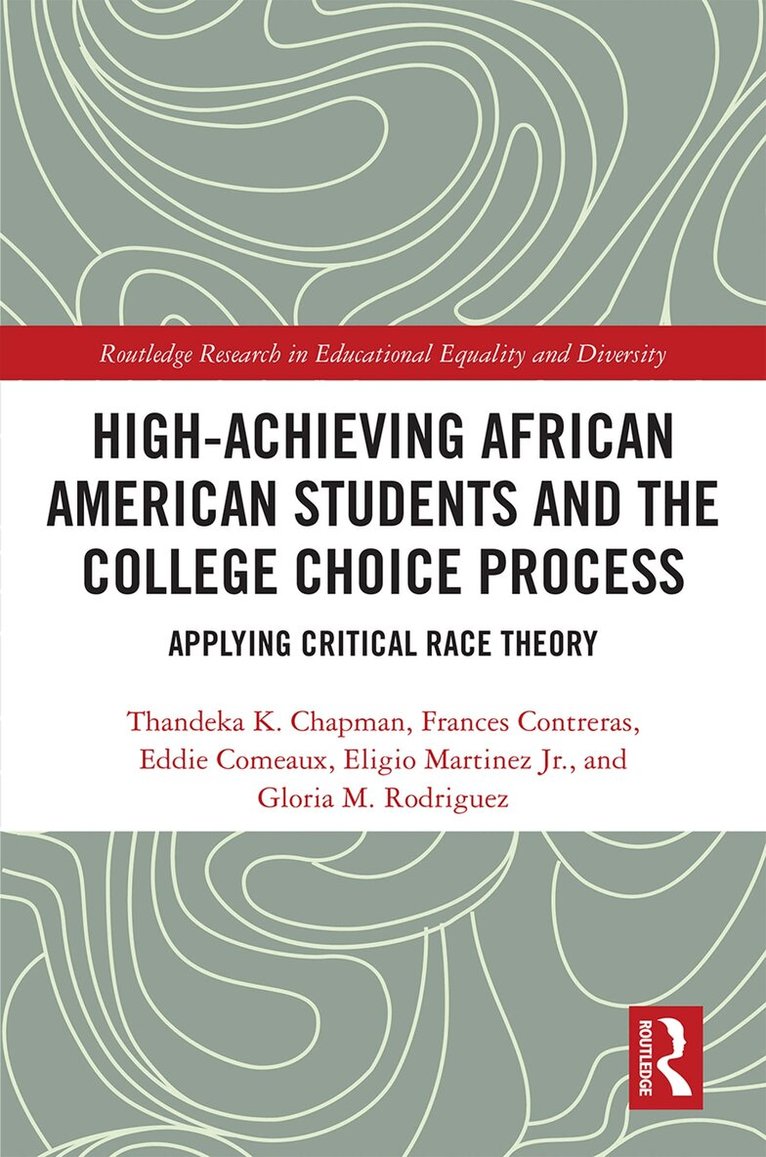
High Achieving African American Students and the College Choice Process
Applying Critical Race Theory
2 121 kr
Skickas inom 10-15 vardagar
High Achieving African American Students and the College Choice Process
Applying Critical Race Theory
662 kr
Läs direkt efter köp
By critically examining the legal, institutional, and social factors that prohibit or promote students’ college choices, this Volume undermines the notion that African American students and their families are opposed to formal education, and reveals structural barriers which they face in accessing elite institutions.
For African American students, unequal education is rooted in the history in the legacy of slavery and of the history of institutional and structural racism in United States. The long legacy of racism in education cannot be dismissed when reflecting on the college choice experiences of African American students made today. Authors uniquely apply Critical Race Theory (CRT) to analyse the college selection process of high achieving African American students and, highlight the similarities and differences within an impressive group of students, therefore challenging the deficit notions of African American students as perpetual under-achievers. They also show that contrary to the general assumption, African American parents are inclined towards providing their sons and daughters higher education at the elite institutes of US. The decision is often influenced by analysis of factors including the allocation of school resources, parental attitudes, university recruitment, campus outreach, and affordability. The issues of discrimination on the grounds of race, class, and gender often plays a vital role in decision making process.
This text will be of great interest to graduate and postgraduate students, researchers, academics, professionals and policy makers in the field of Race & Ethnicity in Higher Education, Sociology of Education, Equality & Human Rights, and African American Studies.
High Achieving African American Students and the College Choice Process
Applying Critical Race Theory
662 kr
Läs direkt efter köp
By critically examining the legal, institutional, and social factors that prohibit or promote students’ college choices, this Volume undermines the notion that African American students and their families are opposed to formal education, and reveals structural barriers which they face in accessing elite institutions.
For African American students, unequal education is rooted in the history in the legacy of slavery and of the history of institutional and structural racism in United States. The long legacy of racism in education cannot be dismissed when reflecting on the college choice experiences of African American students made today. Authors uniquely apply Critical Race Theory (CRT) to analyse the college selection process of high achieving African American students and, highlight the similarities and differences within an impressive group of students, therefore challenging the deficit notions of African American students as perpetual under-achievers. They also show that contrary to the general assumption, African American parents are inclined towards providing their sons and daughters higher education at the elite institutes of US. The decision is often influenced by analysis of factors including the allocation of school resources, parental attitudes, university recruitment, campus outreach, and affordability. The issues of discrimination on the grounds of race, class, and gender often plays a vital role in decision making process.
This text will be of great interest to graduate and postgraduate students, researchers, academics, professionals and policy makers in the field of Race & Ethnicity in Higher Education, Sociology of Education, Equality & Human Rights, and African American Studies.
High Achieving African American Students and the College Choice Process
Applying Critical Race Theory
578 kr
Skickas inom 10-15 vardagar
1 979 kr
Skickas inom 10-15 vardagar
619 kr
Skickas inom 10-15 vardagar
883 kr
Läs direkt efter köp
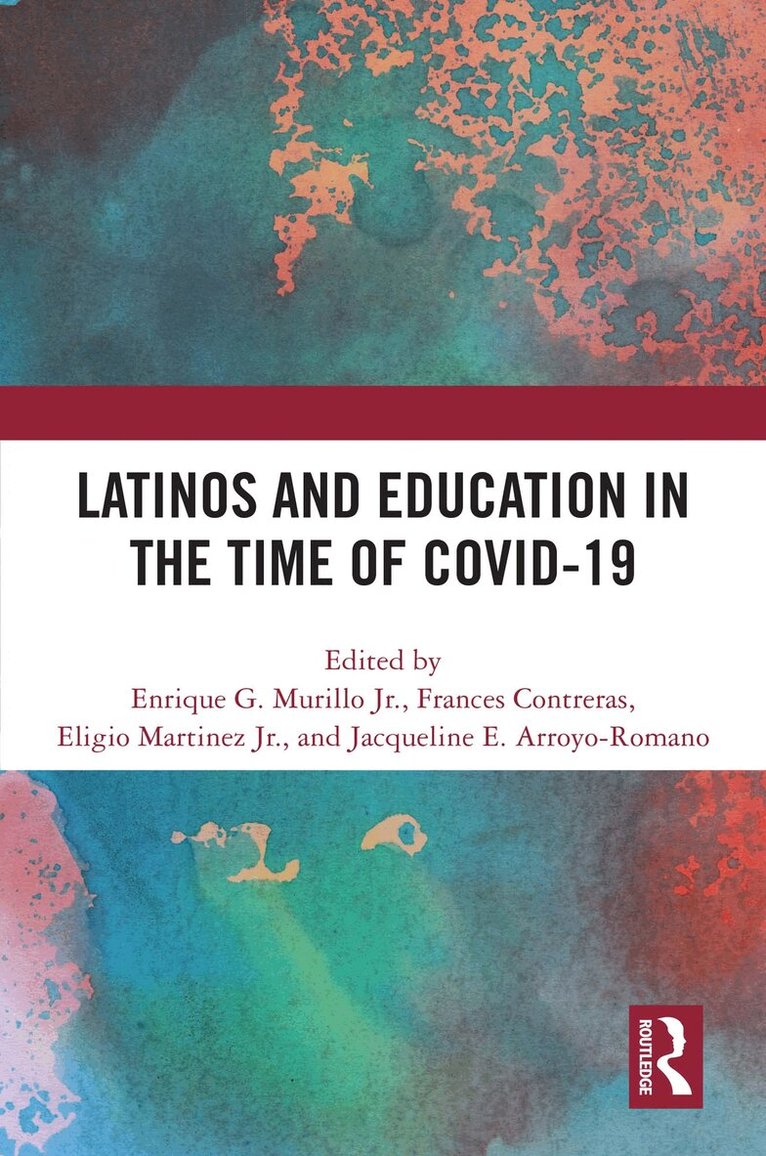
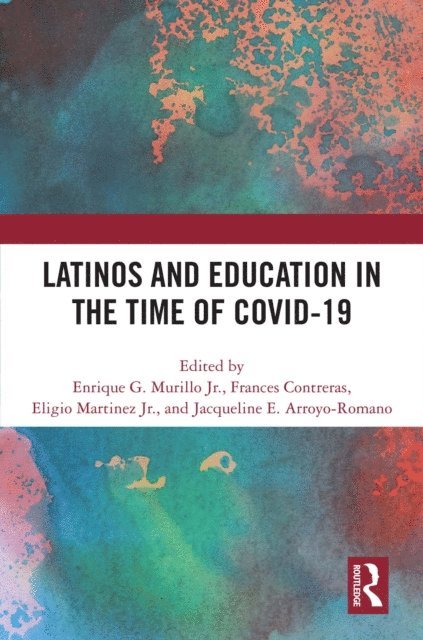
This book focuses on the impact of COVID-19 on Latino/a/e/x students, families, and communities across the educational continuum to better understand the challenges faced by them.
The COVID-19 pandemic has revealed the gross inequities that exist for Latino students with respect to access to quality technology, highly qualified and culturally competent teachers, bilingual or multilingual information for parents, and printed materials and support for students and their parents as they move to online formats. This book documents the multifaceted impact on Latino students and their families as they attempted to navigate educational spaces. It offers important insights into interventions and responsive policy to ensure Latino students are afforded equitable solutions and educational opportunities, institutions, and systems, by focusing on the following:
(1) How are Latino students, parents, and communities responding to the demands of educationwhile balancing the adverse effect of COVID-19 on their families and community?
(2) How are IHEs responding to the needs of their diverse students? Are they providing broadersupports to their first-generation, low-income, or immigrant students?
(3) What role does education policy have in ensuring broader Latinx access and opportunity andultimately impacting a rebound strategy at the local, state, and national level?
As Latino students are more likely to be first-generation students or the children of immigrants in many states, it is critical for public education systems to provide academic infrastructure that is asset based, culturally and resource responsive, and committed to equity.
This unique publication, which first appeared as a special issue of the Journal of Latinos and Education, provides an important account of the varied experiences of Latino students at all levels across the educational continuum during the COVID-19 pandemic.
883 kr
Läs direkt efter köp
This book focuses on the impact of COVID-19 on Latino/a/e/x students, families, and communities across the educational continuum to better understand the challenges faced by them.
The COVID-19 pandemic has revealed the gross inequities that exist for Latino students with respect to access to quality technology, highly qualified and culturally competent teachers, bilingual or multilingual information for parents, and printed materials and support for students and their parents as they move to online formats. This book documents the multifaceted impact on Latino students and their families as they attempted to navigate educational spaces. It offers important insights into interventions and responsive policy to ensure Latino students are afforded equitable solutions and educational opportunities, institutions, and systems, by focusing on the following:
(1) How are Latino students, parents, and communities responding to the demands of educationwhile balancing the adverse effect of COVID-19 on their families and community?
(2) How are IHEs responding to the needs of their diverse students? Are they providing broadersupports to their first-generation, low-income, or immigrant students?
(3) What role does education policy have in ensuring broader Latinx access and opportunity andultimately impacting a rebound strategy at the local, state, and national level?
As Latino students are more likely to be first-generation students or the children of immigrants in many states, it is critical for public education systems to provide academic infrastructure that is asset based, culturally and resource responsive, and committed to equity.
This unique publication, which first appeared as a special issue of the Journal of Latinos and Education, provides an important account of the varied experiences of Latino students at all levels across the educational continuum during the COVID-19 pandemic.