Elin Lindqvist – författare
Visar alla böcker från författaren Elin Lindqvist. Handla med fri frakt och snabb leverans.
5 produkter
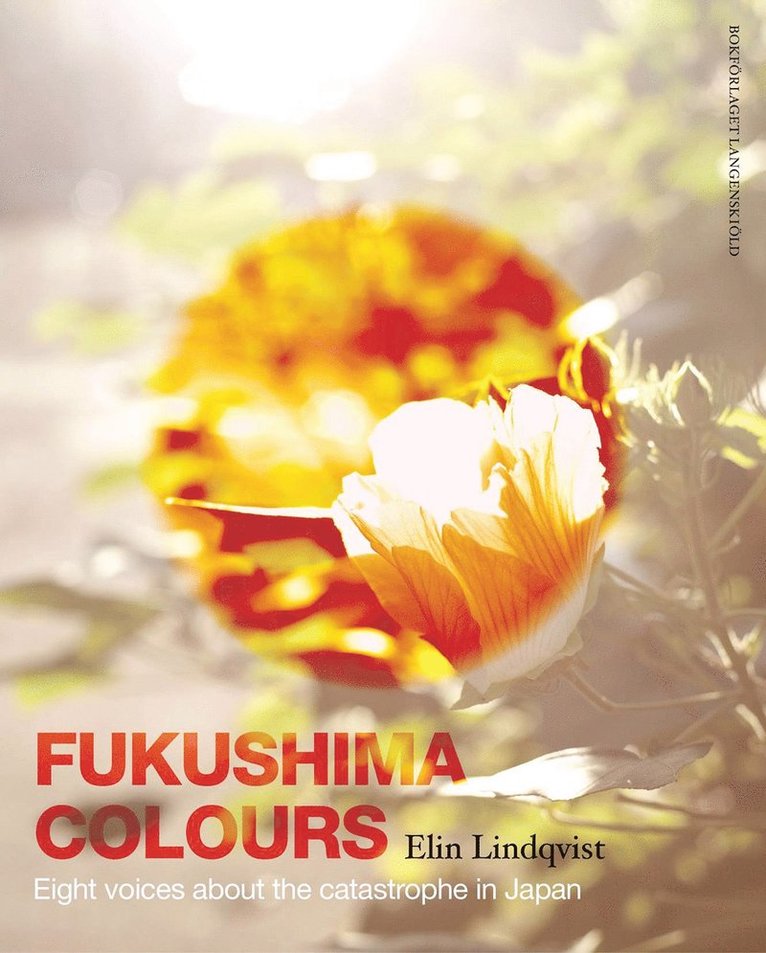
Fukushima colours
Inbunden, 2012
159 kr
Lägg i varukorg
The catastrophe on 11 March 2011 has had a deep impact on the Japanese society, and on our global world. Almost twenty thousand people were left dead or missing after the disaster, and the tsunami destroyed entire communities. It will take years for the full extent of the nuclear crisis? impact on …
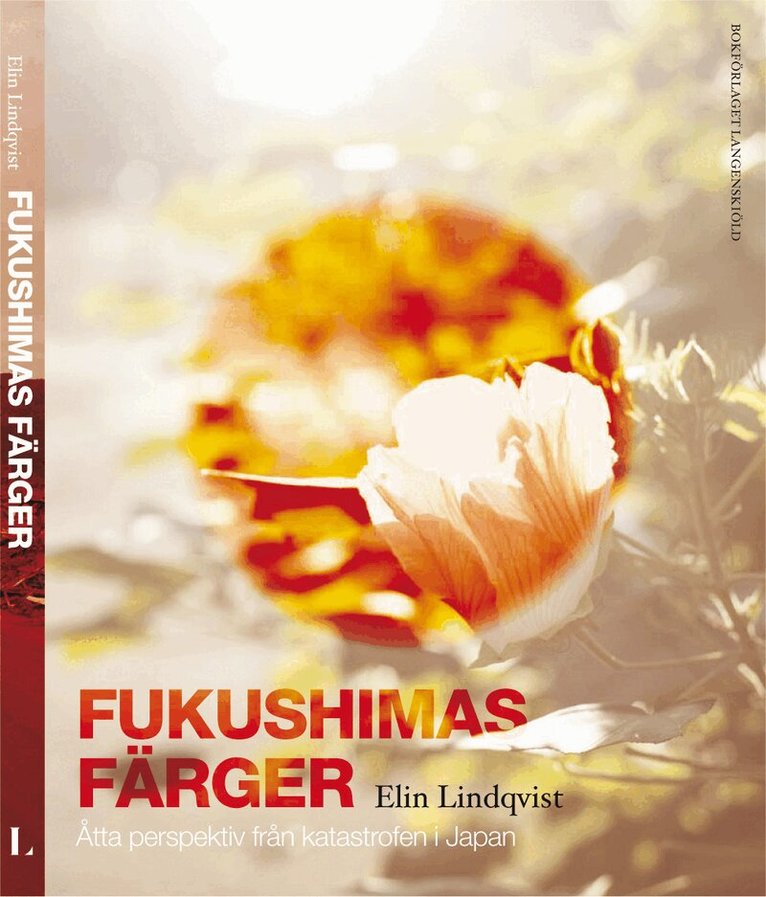
Fukushimas färger : åtta röster om katastrofen i Japan
Inbunden, 2012
4,0 utav 5 stjärnor. Totalt antal röster: (1)
237 kr
Lägg i varukorg
Den 11 mars 2011 skakades Japan av den kraftigaste jordbävningen någonsin. Skalvet följdes av en flodvåg upp till 30 meter hög som sköljde in över de nordöstra delarna av landet. Havet slog in över kärnkraftverket Fukushima Daiichi och förstörde reaktorer som sedan dess har läckt ut stora mängder …
Tokyo natt
E-bok, 2002
79 kr
Lägg i varukorg
Efter kaotiska tonår i Europa återvänder Karolina till sin födelsestad Tokyo. Hon försörjer sig som värdinna på en bar samtidigt som hon studerar japanska. Kastar sig in i det hektiska nattlivet, men reser också ut i landet för att söka frid i tempel och avlägsna små byar. Hon finner också …
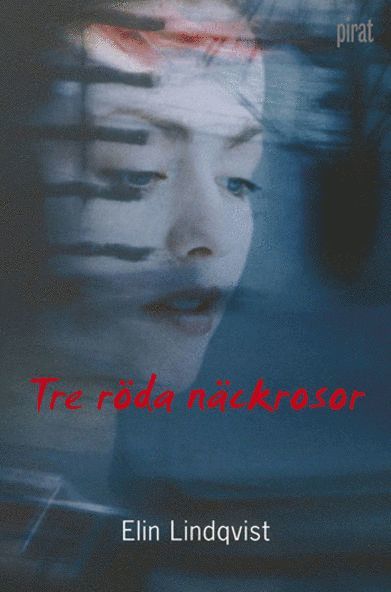
Tre röda näckrosor
E-bok, 2005
79 kr
Lägg i varukorg
När en tyfon drar in över Tokyo förändras Yukis hela liv. Den fasta punkt hon haft i tillvaron är plötsligt borta. Hon tvingas ifrågasätta allt. Jack befinner sig många hundra mil bort, i Vietnam. Där har han byggt ett liv med Klara och deras lilla dotter. Men även Jacks grund kommer att rasa. Yuki …
Facklan - en roman om Leon Larsson
E-bok, 2010
79 kr
Lägg i varukorg
Leon Larsson är ung i ett Sverige under omvandling. Han föds 1883 i Älvkarleby, som äldste sonen i en arbetarfamilj. Leon är en revolutionär, inom honom brinner det, han tar strid för arbetarna och deras rättigheter. Han har svårt att rätta in sig i ledet och att anpassa sig till ett vanligt …