Elisabeth B. Reynolds – författare
Visar alla böcker från författaren Elisabeth B. Reynolds. Handla med fri frakt och snabb leverans.
6 produkter
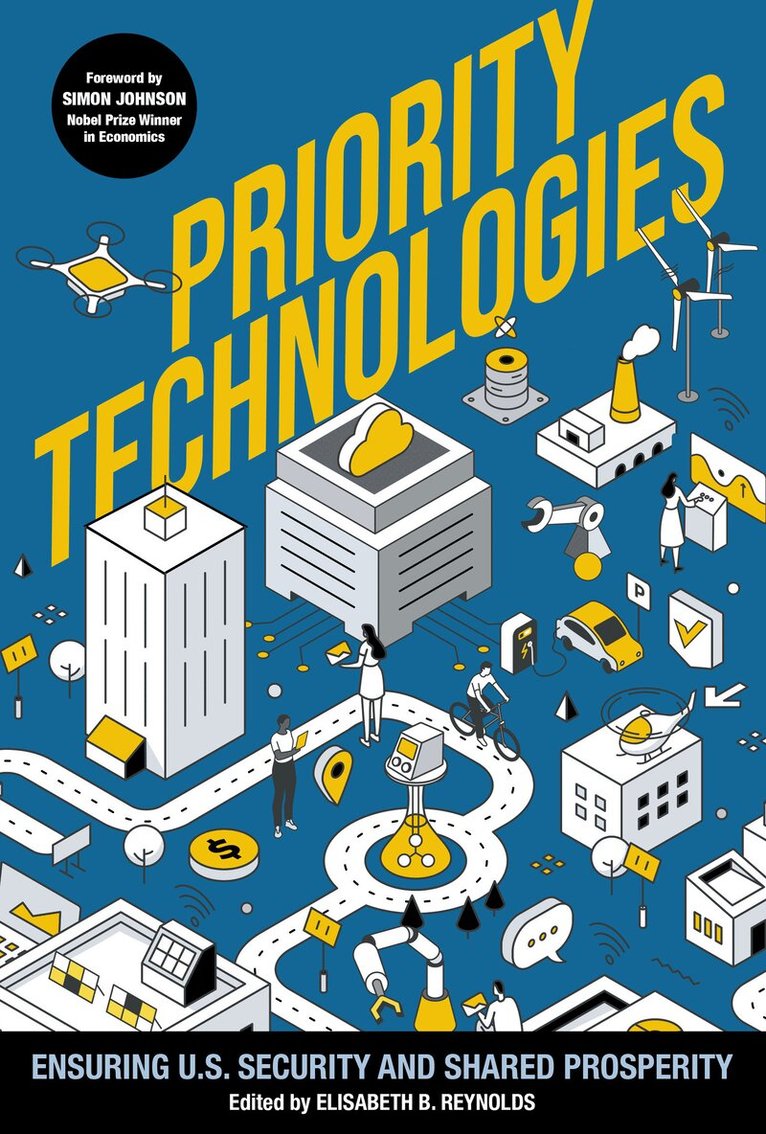
Priority Technologies
Ensuring US Security and Shared Prosperity
Av Elisabeth B. Reynolds, Simon Johnson m. fl.
Inbunden, 2026
250 kr
Lägg i varukorg
How to build innovation and industrial ecosystems in the US that support global leadership in priority technologies of the future.A new world order is emerging, and within it, US priorities are shifting. A reconfiguration of global supply chains. The redrawing of geopolitical lines and alliances …
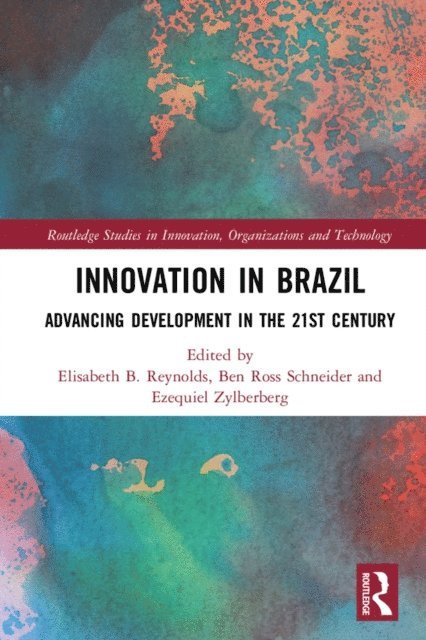
Innovation in Brazil
Advancing Development in the 21st Century
Av Elisabeth B. Reynolds, Ben Ross Schneider m. fl.
Inbunden, 2019
2578 kr
Lägg i varukorg
Since the early 2000s, state-led and innovation-focused strategies have characterized the approach to development pursued in countries around the world, such as China, India, and South Korea. Brazil, the largest and most industrialized economy in Latin America, demonstrates both the opportunities …
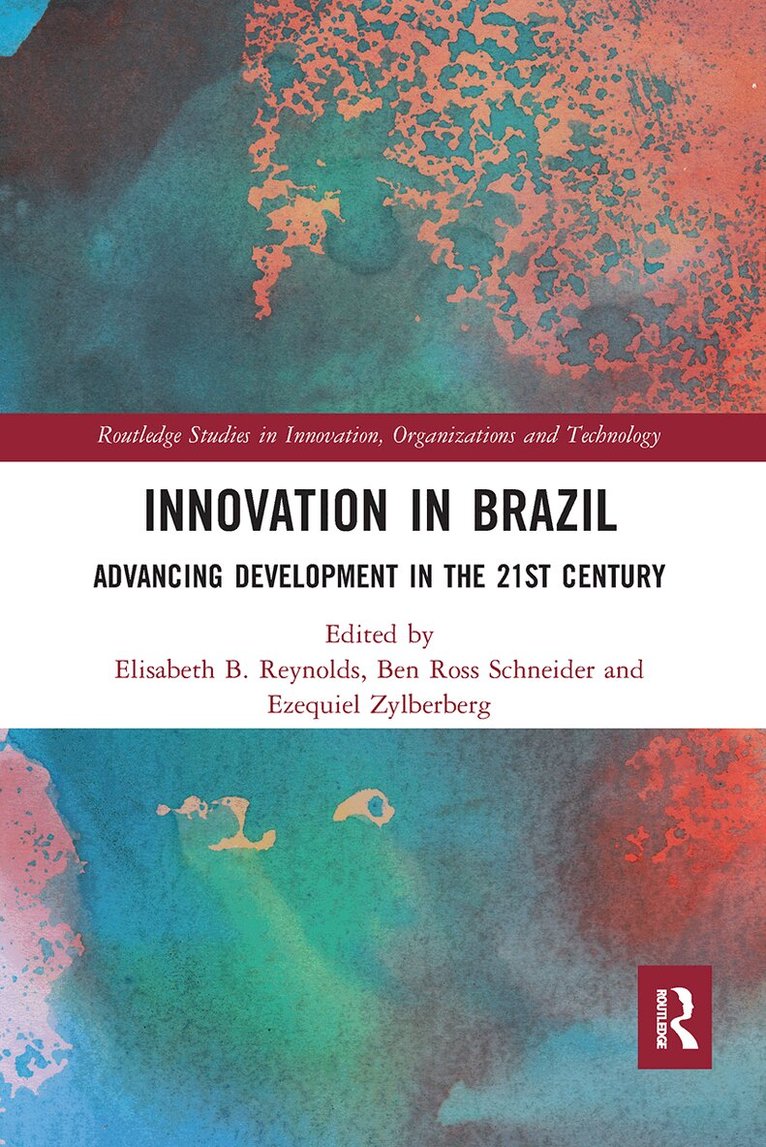
Innovation in Brazil
Advancing Development in the 21st Century
Av Elisabeth B. Reynolds, Ben Ross Schneider m. fl.
Häftad, 2020
710 kr
Lägg i varukorg
Since the early 2000s, state-led and innovation-focused strategies have characterized the approach to development pursued in countries around the world, such as China, India, and South Korea. Brazil, the largest and most industrialized economy in Latin America, demonstrates both the opportunities …
Innovation in Brazil
Advancing Development in the 21st Century
Av Ezequiel Zylberberg, Ben Ross Schneider m. fl.
E-bok, 2019
814 kr
Lägg i varukorg
Since the early 2000s, state-led and innovation-focused strategies have characterized the approach to development pursued in countries around the world, such as China, India, and South Korea. Brazil, the largest and most industrialized economy in Latin America, demonstrates both the opportunities …
Innovation in Brazil
Advancing Development in the 21st Century
Av Ezequiel Zylberberg, Ben Ross Schneider m. fl.
E-bok, 2019
814 kr
Lägg i varukorg
Since the early 2000s, state-led and innovation-focused strategies have characterized the approach to development pursued in countries around the world, such as China, India, and South Korea. Brazil, the largest and most industrialized economy in Latin America, demonstrates both the opportunities …
Income Security: Changing Needs, Changing Means
Häftad, 1993
356 kr
Tillfälligt slut
This volume, comprised of papers given by IRPP, presents a variety of perspectives on the problems and potential solutions for reform in one of the most challenging areas of social policy, namely income security programs for the employable unemployed. Academics and policy makers from Canada as well …